The Conversation (0)
Iran Protests Amid Internet Blackout
Aljazeera / VideoElephant
Protests have erupted across Iran's 31 provinces over the last fortnight. In response, the government has imposed one of the country’s most extensive internet blackouts on record, leaving roughly 92 million people cut off from online access. Phone and text messaging services have also been heavily disrupted.
The US-based Human Rights Activist News Agency (HRANA) reports at least 3,766 deaths and around 24,348 arrests. Some analysts believe the true toll may be far higher, with CBS citing estimates between 12,000 and 20,000, including at least 135 members of the security forces.
It is reported that the number of people killed in the current crackdown is higher than in any previous cycle of protests in Iran over the past several decades, prompting comparisons with the widespread unrest that followed the 1979 Iranian Revolution.
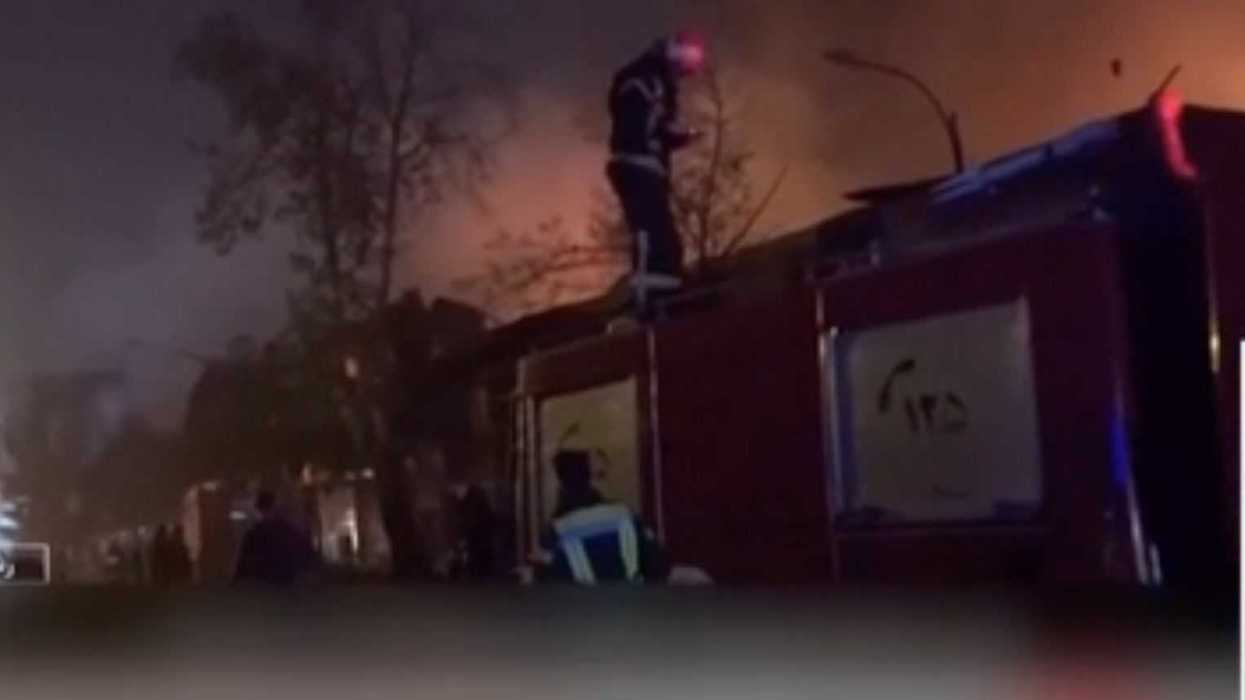
The protests have caused significant destruction. Buildings, buses, and shops have been burned, and Tehran has been described as resembling a "war zone".
Why are there protests in Iran?
The demonstrations began on 28 December, when shopkeepers and bazaar merchants in Tehran staged a strike after the Iranian currency fell to a record low against the US dollar.
The demonstrations have since broadened, with participants raising political demands and chanting slogans critical of the government.
"These protests are not just about poverty or discrimination," writes journalist Mojtaba Dehghani at our partner site, Independent Persian. "They are built around a clear demand: the overthrow of the Islamic Republic. The Iranian society has concluded that this system cannot be reformed, and that its survival means the destruction of the country’s future."
"People are not only fleeing repression and hardship, they are fleeing hopelessness," Dehghani continues. "They see a state that cannot keep the lights on, cannot provide medicine or food, whose leaders are hiding underground, and whose regional power has crumbled. What remains is not a strong government, but a bankrupt one."
Internet blackout and Bitchat
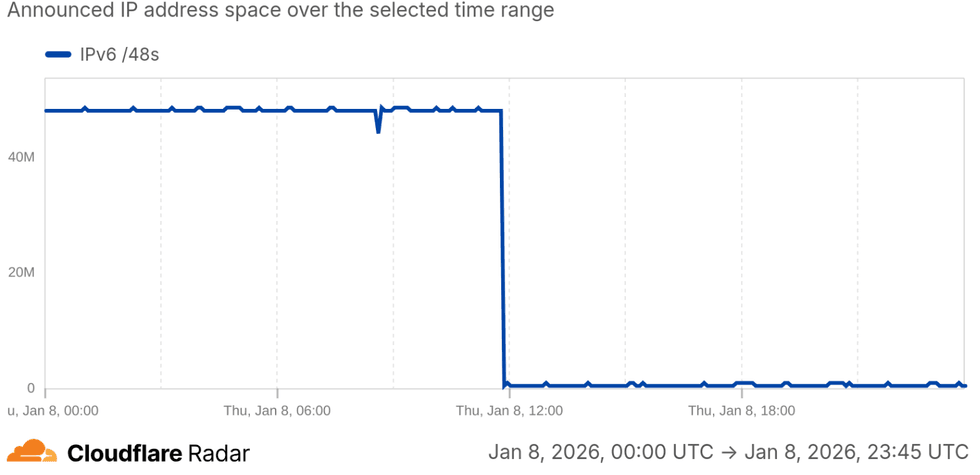
On 8 January, Iranian authorities cut off internet access, as per experts, leaving millions of citizens struggling to stay in touch with family and friends.
 Cloudflare
By 14 January, monitoring group NetBlocks then confirmed a nationwide shutdown.
In a statement, NetBlocks said: "Live metrics show Iran is now in the midst of a nationwide internet blackout; the incident follows a series of escalating digital censorship measures targeting protests across the country and hinders the public's right to communicate at a critical moment."
Amid the blackout, Bitchat (an offline messaging app co-founded by Twitter’s Jack Dorsey) has seen a dramatic surge in downloads, rising to the top of app stores as usage more than tripled.
The app requires no internet or login. Instead, it relies on Bluetooth technology to form a peer-to-peer network, allowing messages to hop from phone to phone until they reach their intended recipients.
How to join the indy100's free WhatsApp channel
Sign up for our free Indy100 weekly newsletter
Have your say in our news democracy. Click the upvote icon at the top of the page to help raise this article through the indy100 rankings.
Top 100