The Conversation (0)
Related: US: 2025 CPAC DC Conference Day 2
StringersHub / VideoElephant
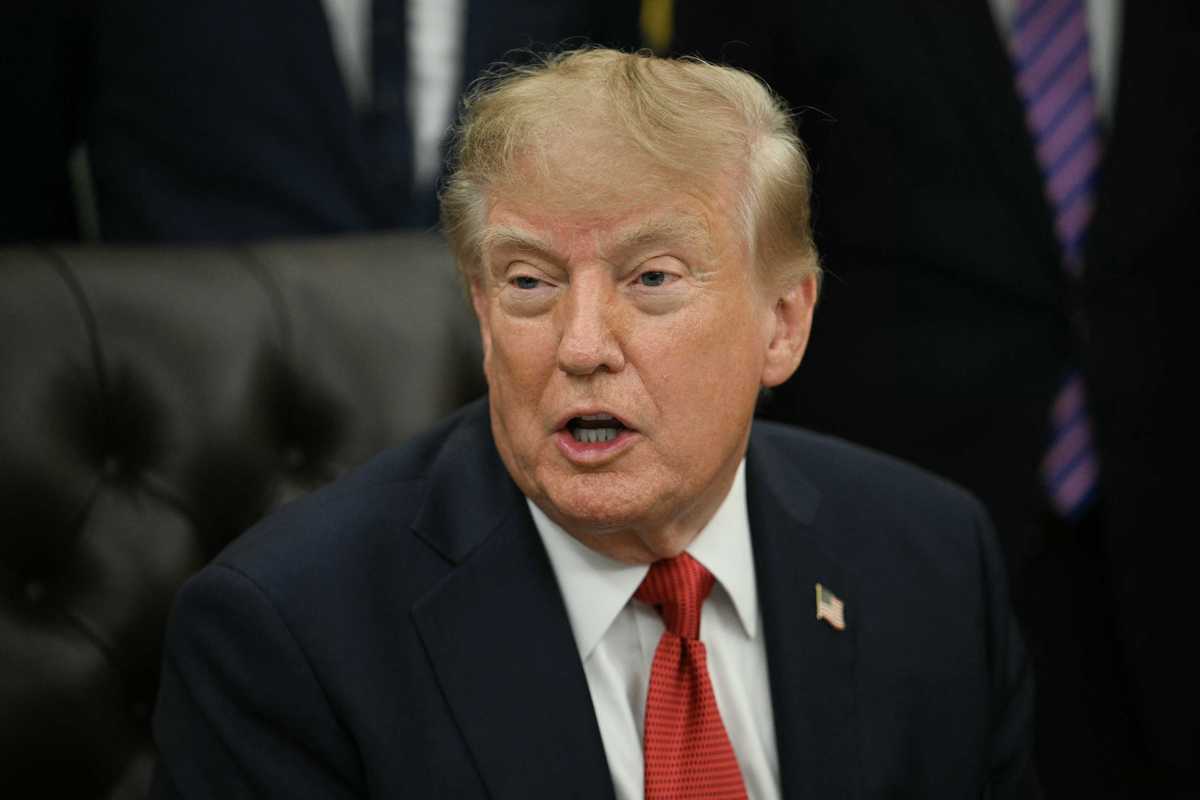
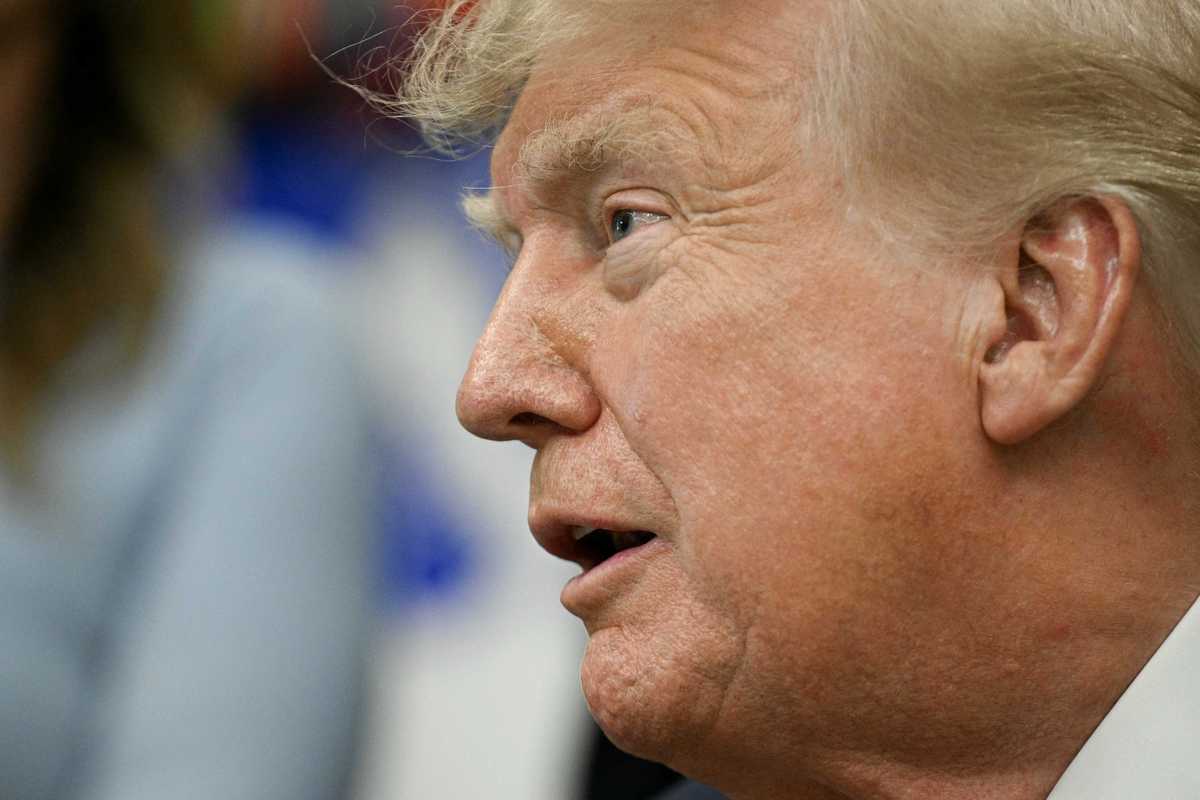
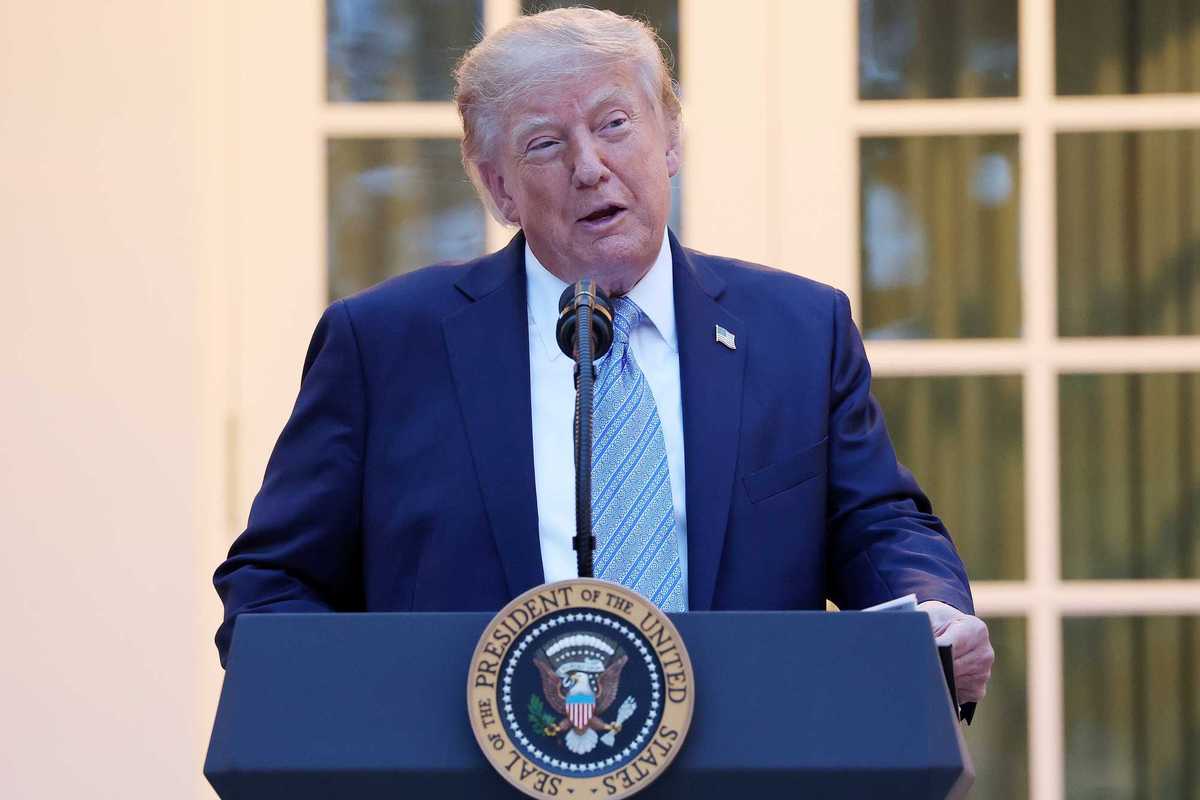
Conservatives are gathering for one of their largest annual conferences amidst a perilous political moment for President Donald Trump, marked by open division within the right over the war he launched in Iran.
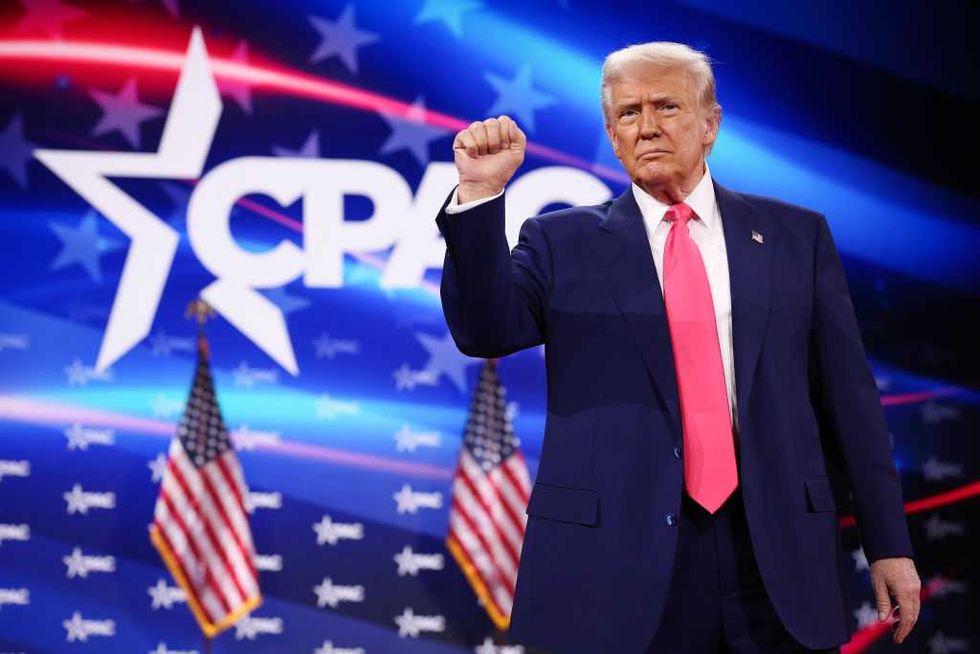
While Mr Trump continues to command broad support among conservatives, the conflict in Iran presents a significant challenge for activists drawn to his "America First" campaign pledge against foreign entanglements. This debate is expected to be a persistent undercurrent – and likely to erupt publicly – as thousands of activists, influencers, and Republican lawmakers convene at the Conservative Political Action Conference (CPAC), which commenced on Wednesday outside Dallas.
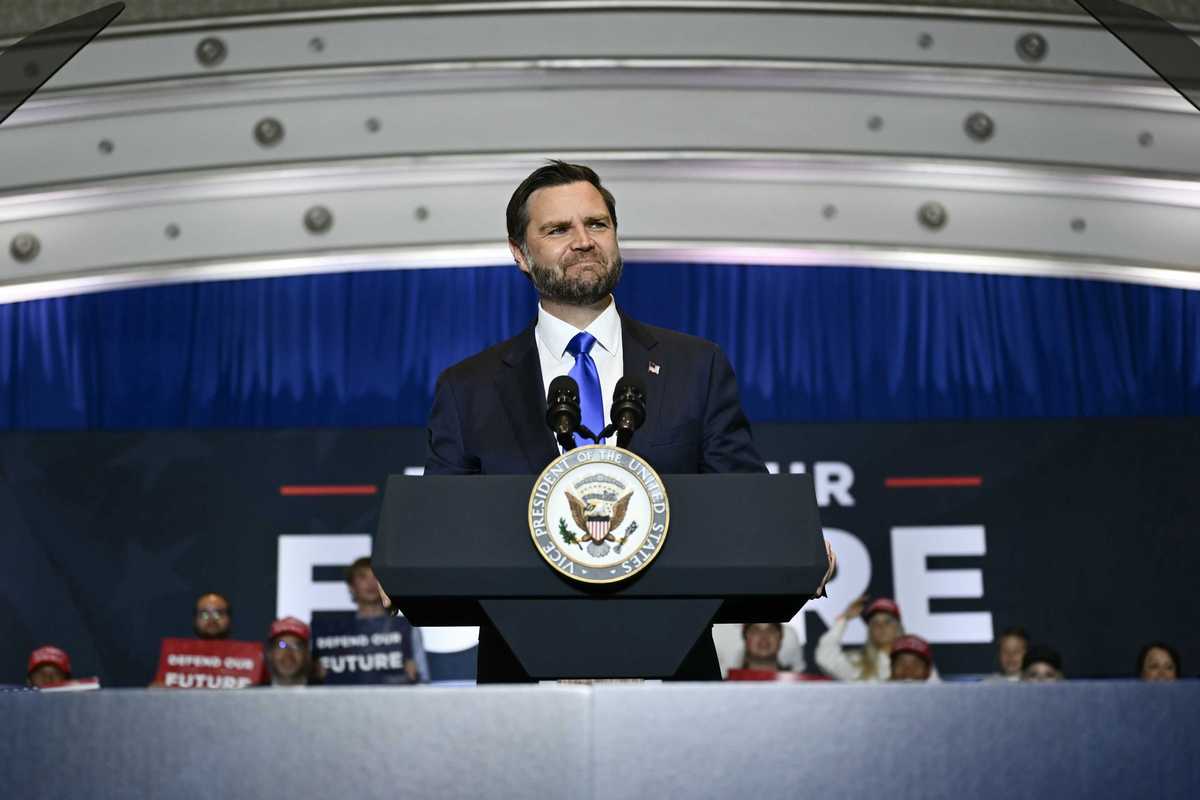
The atmosphere at this year’s gathering stands in stark contrast to the celebratory mood of a year ago, when Mr Trump, newly returned to office, vowed to "forge a new and lasting political majority." That event saw Elon Musk symbolically wielding a chainsaw to represent the administration’s efforts to cut government bureaucracy and red tape. This year, neither Mr Trump nor Vice President JD Vance have been publicly announced as speakers. However, the programme includes prominent figures from the MAGA movement who have expressed conflicting views on the Iran war.
"This is obviously going to be a hot topic," remarked John Gizzi, a CPAC veteran and columnist for the conservative media outlet Newsmax, highlighting the potential for greater US involvement over an uncertain duration.
 AP Photo/Julia Demaree Nikhinson
Among the featured speakers scheduled for the four-day event is long-time Trump ally Steve Bannon. Mr Bannon stated on his War Room podcast this month that should the war become "a hard slog," it could cost the Republican Party conservative voters ahead of the midterms. "We are going to bleed support," he warned. In opposition, Texas Senator Ted Cruz, a supporter of the war, is also on the agenda at the Gaylord Texan Resort and Convention Center. "I think President Trump was exactly right to act to protect Americans," Mr Cruz said last week in a CBS News interview.
The scheduled speaking slot of former Florida Representative Matt Gaetz serves as a reminder of the disagreement among some conservatives regarding the US military alliance with Israel against Iran. Mr Gaetz, host of a show on the conservative One America News Network, has previously argued that the US has been too close to Israel. This sentiment echoes popular conservative personalities such as Tucker Carlson, who have challenged the long-standing conservative bond with the country, drawing criticism from GOP groups, including pro-Israel Republicans, who have raised concerns about antisemitism. Other notable speakers include Mr Trump’s border czar Tom Homan and former Republican National Committee Chairman Michael Whatley, who is currently running for the US Senate in North Carolina.
A year after Mr Trump presided over a jubilant CPAC upon his return to office, his political landscape is markedly different. Amidst the war, and with lingering worries about jobs and household costs, his approval ratings have dipped. His signature domestic policy, aimed at tightening voting rules ahead of November’s midterm elections, has stalled in a Congress his party controls, while the House Republican majority is in jeopardy and the party’s hold on the Senate appears less secure than a year ago.
Despite these dividing lines, Mr Trump continues to enjoy enduring approval from his party’s right flank. An AP-NORC poll in February indicated that 86 per cent of conservatives approved of the president’s job performance. While Mr Trump’s supporters remain devoted, some within the most conservative circles suggest that division over Iran could signal trouble for Republicans in November.
 Getty
Getty
Texas Representative Steve Toth, who plans to attend CPAC, indicated that Mr Trump’s support remains robust among conservatives, but suggested that Republican messaging on the war could be stronger. "From MAGA people, for the most part, I don’t hear frustration with the president," said Mr Toth, who defeated incumbent Republican Representative Dan Crenshaw in Texas’ March 3 primary. "I don’t know that we’re doing a great job at communicating the full ramifications."
Another stark reminder of the contrast with last year is Texas’s unresolved Senate primary, a particular political headache for Mr Trump. Texas Attorney General Ken Paxton, who is challenging four-term GOP Senator John Cornyn, is not only attending the event but holds one of its premier speaking roles, the Ronald Reagan Dinner on Friday evening. Senator Cornyn is not attending the Texas conference. Mr Trump stated three weeks ago that he would soon endorse one of them after Mr Paxton narrowly trailed Senator Cornyn in the March 3 primary, with neither securing a majority to avoid a May 26 runoff. Mr Trump implored whoever did not receive the endorsement to withdraw, writing in a social media post that the bitter contest "cannot, for the good of the Party, and our Country, itself, be allowed to go on any longer." The deadline for candidates to remove their names from the May 26 runoff ballot passed last week, as Mr Paxton and Senator Cornyn launched intensified attack advertisements targeting one another.
Top 100