The Conversation (0)
Trump rants against Nato allies for not helping Iran attack
US pool / Reuters
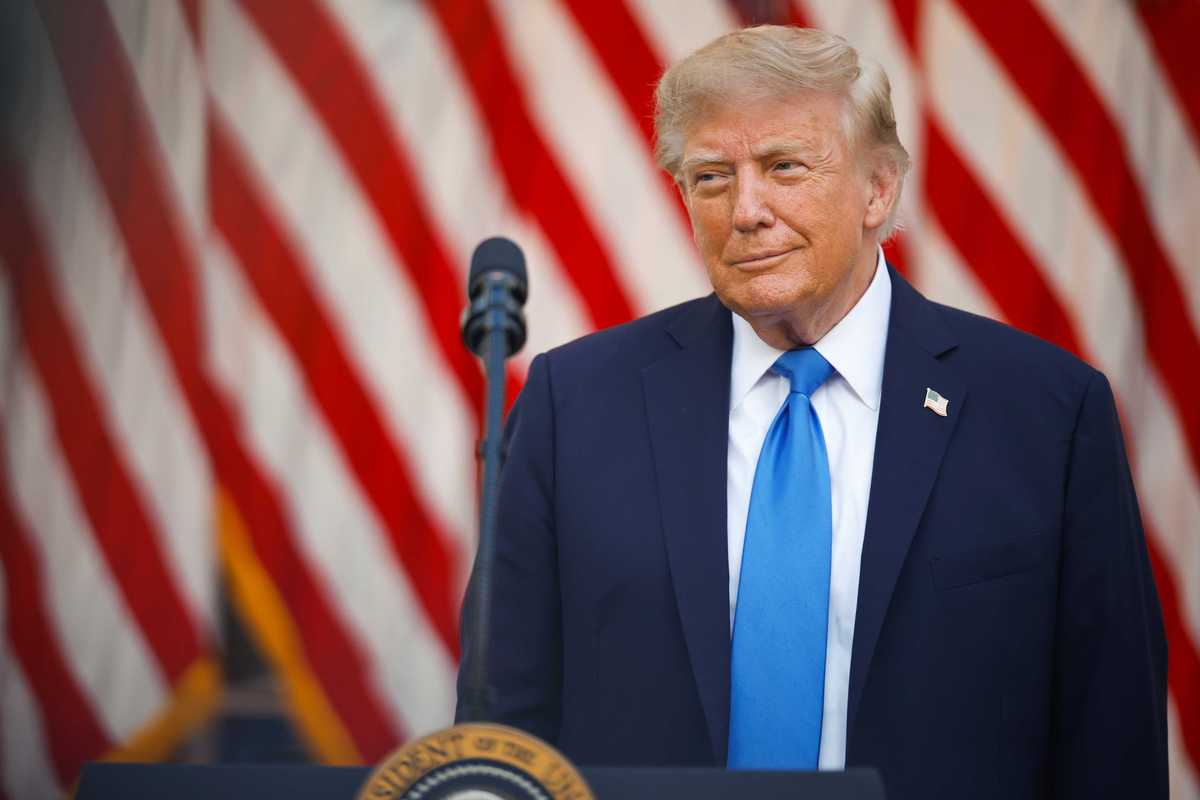
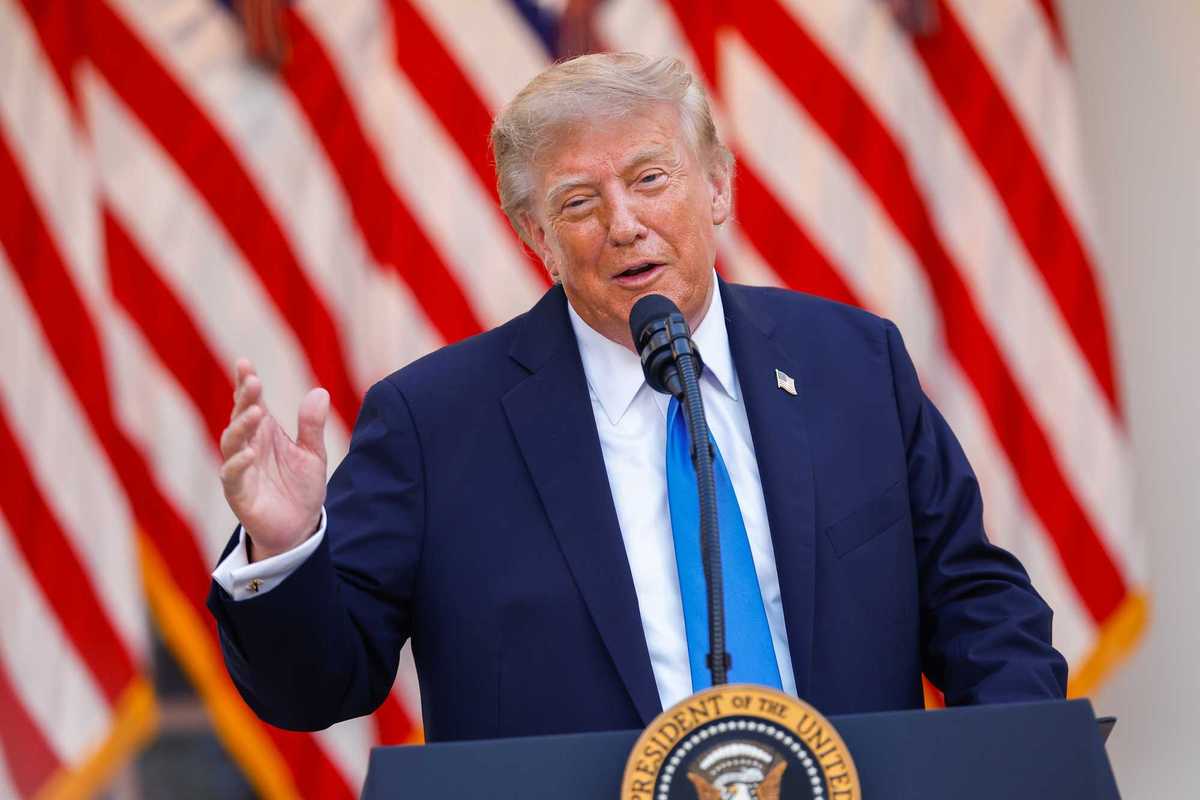
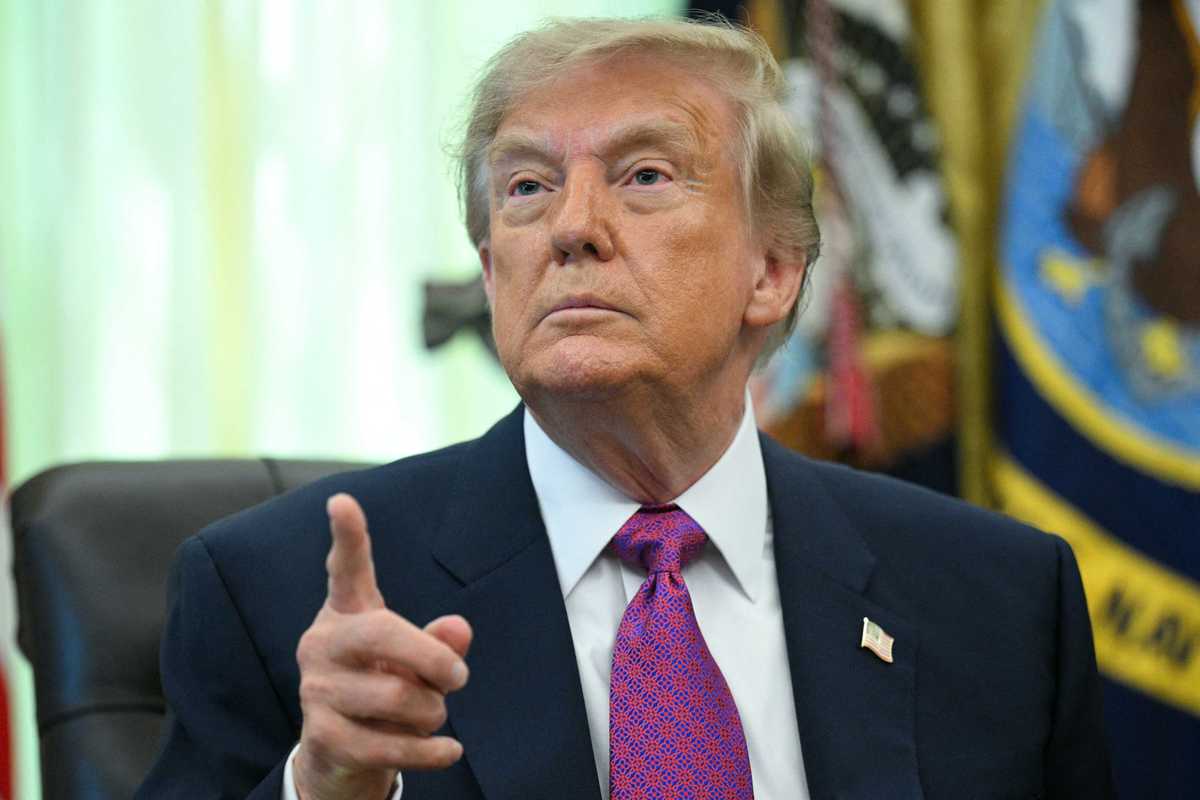
President Donald Trump and his administration have significantly intensified pressure on journalists, seeking to dictate coverage of the Middle East conflict through a series of lectures, admonishments, and overt threats.
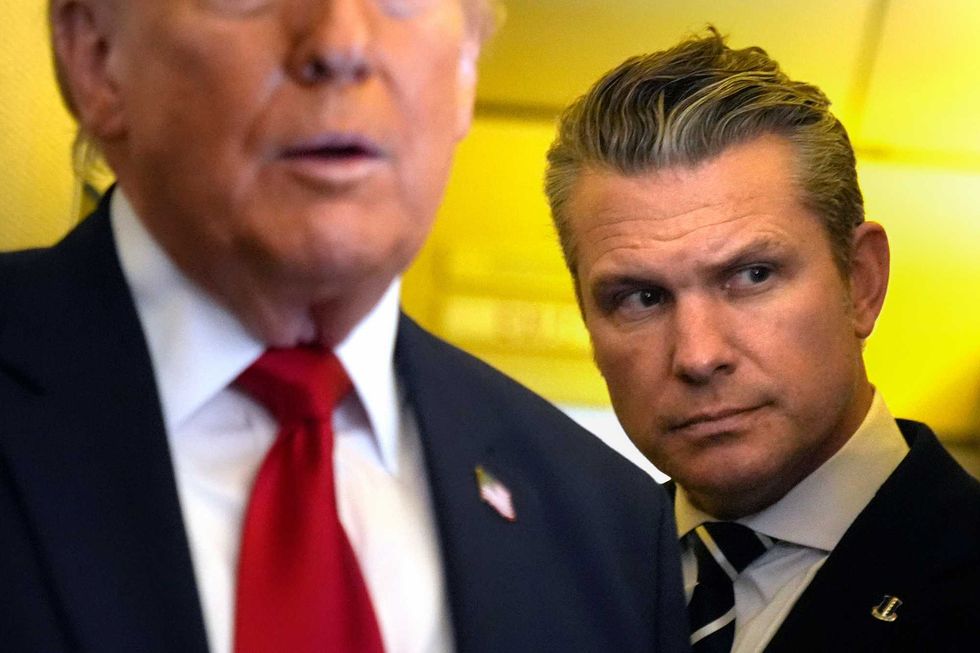
The Republican president has frequently used social media to express his displeasure with news reports and publicly rebuked a reporter aboard Air Force One. Concurrently, the nation’s leading media regulator has cautioned broadcasters that they risk losing their licences if they fail to avoid what it terms "fake news." Both President Trump and his Defence Secretary, Pete Hegseth, have gone as far as to question the patriotism of news organisations based on their reporting.
President Trump has voiced his complaints about war coverage in both general and specific terms. In one social media post, he claimed that news reports had exaggerated the damage sustained by aircraft attacked by Iran at an airport in Saudi Arabia. He further accused "Corrupt Media Outlets" of being misled by AI-generated false reports originating from Iran, asserting that the media "hates to report" on the exemplary performance of the US military.
While friction between presidential administrations and the press is a natural consequence of journalism’s watchdog role in a democratic society, recent incidents suggest a heightened hostility towards the very concept of accountability. This approach, some observers argue, directly challenges the principles enshrined in the First Amendment.
 AP
AP
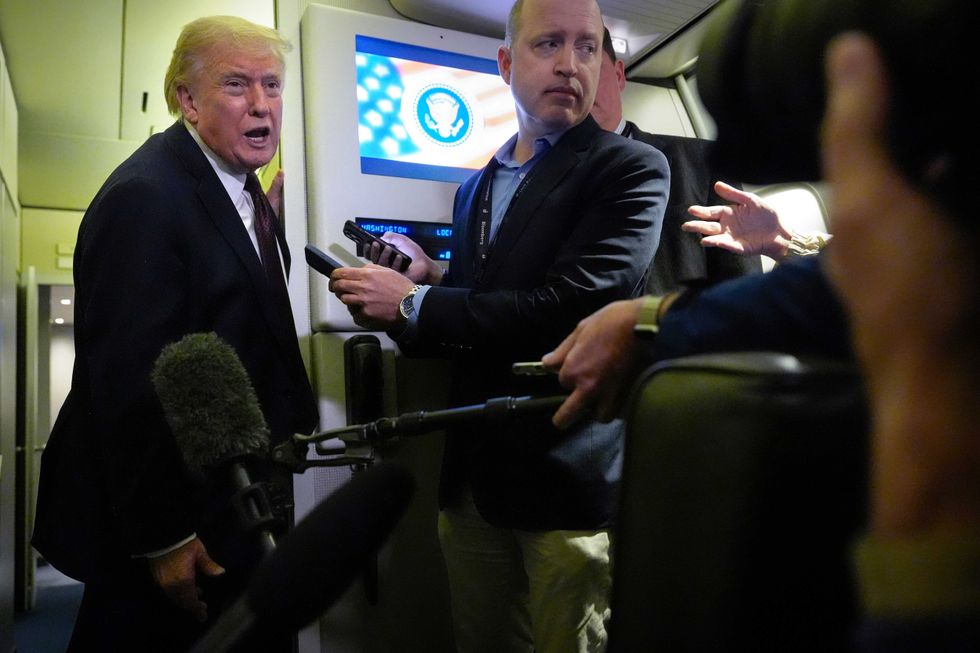
During a contentious encounter on Air Force One, as the president returned to the White House from Florida, he took exception to a question from ABC News’ Mariam Khan. The reporter had inquired about a fundraising message that featured a photograph taken at a dignified transfer ceremony for fallen US service members. Khan, serving as the pool reporter, identified herself as being with ABC, prompting President Trump to declare: "I think it’s maybe the most corrupt news organisation on the planet. I think they’re terrible."
Adding to the pressure, Federal Communications Commission (FCC) Chairman Brendan Carr referenced President Trump’s Truth Social message regarding the planes struck in Saudi Arabia when issuing a warning to news outlets. Carr cautioned them to exercise prudence in their reporting.
"Broadcasters that are running hoaxes and news distortions — also known as fake news — have a chance now to correct course before their license renewals come up," Carr wrote on X over the weekend. "The law is clear. Broadcasters must operate in the public interest, and they will lose their license if they do not."
Carr justified his stance by suggesting that such changes would ultimately benefit legacy media outlets, citing widespread public distrust. However, his capacity to implement these changes is limited. Decades of court rulings have largely favoured the press against government attempts to regulate content.
The FCC does not regulate major networks like CBS, NBC, and ABC directly, though it can reject the licences of individual affiliates during renewal. Cable news channels such as CNN, Fox News Channel, and MS NOW also fall outside the FCC’s jurisdiction. Furthermore, the specific outlets mentioned in President Trump’s retweeted message, The New York Times and The Wall Street Journal, are newspapers, over which the FCC has no authority.
First Amendment attorney Floyd Abrams noted on Monday that punishing a television affiliate for war coverage that Carr disapproves of would likely contravene the law. "The broadcast media is always at risk of a sort that newspapers are not. But at its core, they are protected by the First Amendment," Abrams said, "and these statements by the chairman seem to me are directly threatening First Amendment interests and First Amendment principles."
Abrams contended that robust war reporting is precisely the kind of public interest work that television stations should be undertaking to justify their licences.
Barbara Starr, a former CNN Pentagon correspondent, suggested that intimidation might be Carr’s underlying motive. She warned of the broader implications: "The risk is the climate they create," she said. "Are people going to be afraid to talk to reporters? Some of them will be, and that’s a serious matter."
 AP
AP
President Trump expressed his delight on social media at Carr’s scrutiny of "highly corrupt and highly unpatriotic ‘News’ organisations." These efforts received endorsement on Monday from the hosts of the influential "Fox & Friends" morning show on Fox News Channel.
"The president has said enough with this coverage, from other networks that are not telling you the truth, that are so negative about what is going on," stated Fox’s Ainsley Earhardt, without specifying the outlets. "This is a pro-America fight, and every network needs to get on board with that."
Defence Secretary Hegseth specifically targeted CNN during his most recent Pentagon war briefing. Under his administration, most legacy news outlets have been barred from their usual spaces in the Pentagon press room due to their refusal to comply with new rules that Hegseth claimed restricted their work.
While some reporters from these exiled outlets are occasionally permitted back for briefings, Hegseth rarely takes their questions. Still photographers have also been inexplicably banned from briefings.
Hegseth dismissed a CNN story about the administration’s alleged unpreparedness for Iranian attacks on global oil supplies as "ridiculous." He then offered his own suggested headlines that a "patriotic press" should display.
He also remarked, "The sooner that David Ellison takes over that network, the better," referring to the Paramount Global chief, whose company was expected to acquire CNN. The administration evidently hoped such a change would lead to more Trump-friendly coverage.
Mark Thompson, CNN’s chief executive, defended the network’s journalism. "Politicians have an obvious motive for claiming that journalism which raises questions about their decisions is false," he said. "At CNN, our only interest is telling the truth to our audiences in the U.S. and around the world, and no amount of political insults and threats is going to change that."
Starr, now retired from Pentagon reporting, observed that journalists consistently manage to break stories despite the limited access and hostile environment under the current administration. "That has always been the case," she said. "The level of intimidation has definitely ramped up and, in response to that, the commitment to the First Amendment and quality journalism has ramped up even further."
Top 100