The Conversation (0)
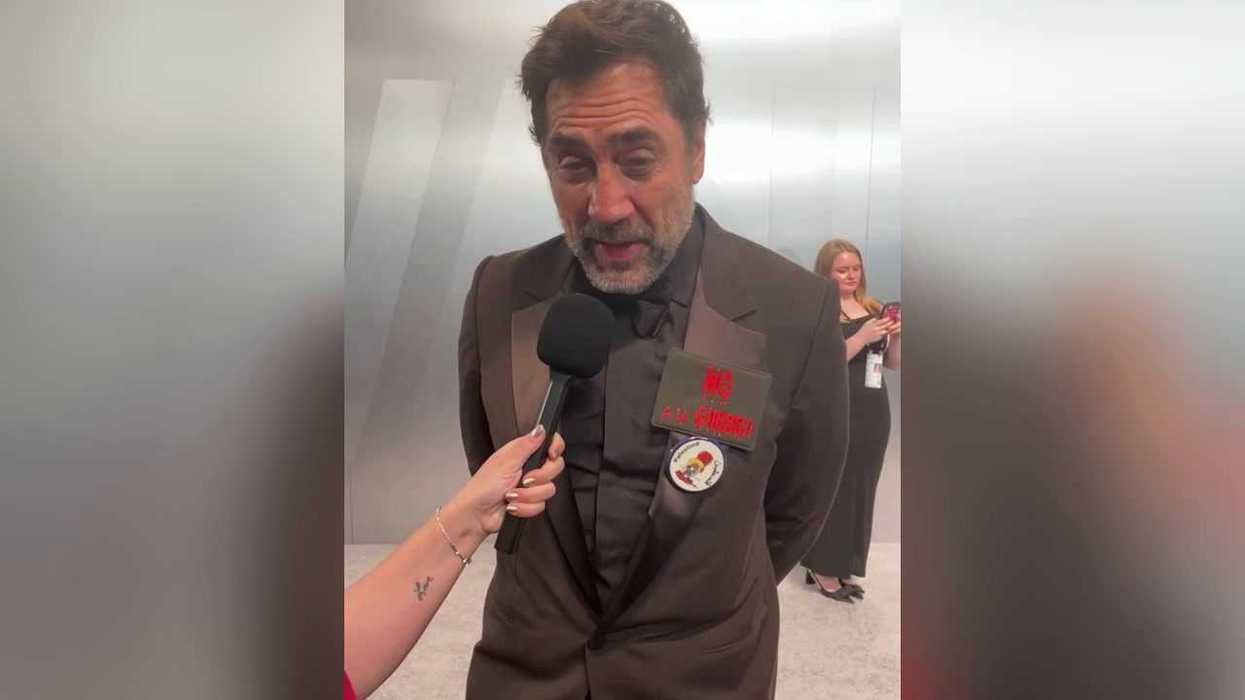
Javier Bardem blasts Trump and Netanyahu over "illegal war" at Oscars after-party …
THE INDEPENDENT
Hollywood's biggest night, the Academy Awards, saw artists use the red carpet not just for fashion, but as a platform for political protest, extending beyond the Trump administration's immigration policies to advocate for Palestinian liberation and a ceasefire in Gaza. While the presence of "BE GOOD" and "ICE OUT" pins was less pronounced than at last month's Grammys, the Oscars underscored a growing trend of artist-driven activism at entertainment awards shows.
Actor Javier Bardem, before presenting the best international feature film award, declared, "No to war and free Palestine." He wore a "No a la Guerra" patch, echoing his anti-war stance from two decades prior during the Iraq war.
As the awards season concluded, political organisers noted a resurgence in celebrity political engagement. Jess Morales Rocketto, Executive Director of Latino advocacy group Maremoto, which initiated the immigration pins at the Golden Globes, described it as a "return to form" for artists. She cited actor Mark Ruffalo's comments at the Golden Globes in January, where he admitted finding it difficult to pretend "like this crazy stuff isn't happening" despite his enjoyment of the event.
"I think we tapped into something early on that this is a time to take stands and make clear where you are at this moment in history," Morales Rocketto stated ahead of the Oscars.
On Sunday, representatives for The Voice of Hind Rajab, a docudrama about efforts to rescue a Palestinian girl killed in Gaza, wore new red "Artists4Ceasefire" pins. The film was nominated for best international feature film. Saja Kilani, one of the film's stars, told The Associated Press on the red carpet, "Our struggles are connected. So is our liberation. And we're so, so honoured to be here tonight." This comes as Israeli strikes have killed hundreds of Palestinians since a US-brokered truce in October, according to Gaza’s Health Ministry.
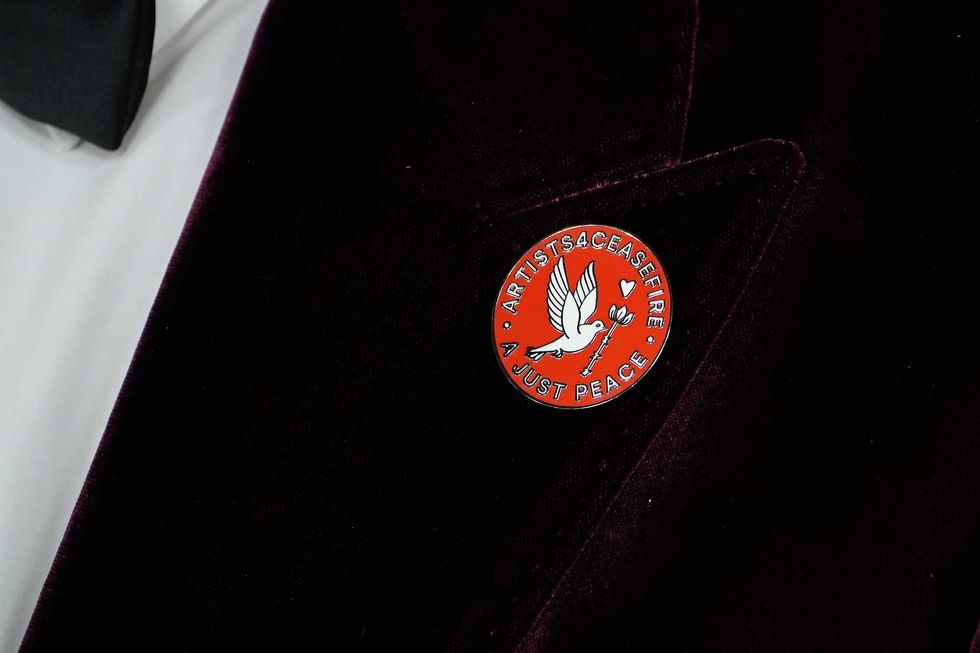 Nadim Cheikhrouha arrives at the Oscars on Sunday, March 15, 2026, at the Dolby Theatre in Los AngelesJordan Strauss/Invision/AP
The ceremony itself proved more politically charged than previous years, even without direct references to the Iran war or other global issues. Paul Thomas Anderson, director of One Battle After Another, revealed he wrote the political drama for his children, apologising for the "housekeeping mess we left in this world we’re handing off to them." Host Conan O'Brien delivered jokes targeting the US health care system and Kid Rock, referencing conservative organisation Turning Point USA's alternative Super Bowl halftime show. In a rare moment of sincerity, O’Brien acknowledged the Oscars' particular resonance in "moments like these," broadly referencing various world crises. He added, "We pay tribute tonight not just to film, but to the ideals of global artistry, collaboration, patience, resilience and that rarest of qualities today: optimism."
The best documentary category, often a vehicle for overt political messages, offered further social commentary. David Borenstein, co-director of Mr Nobody Against Putin, explained his documentary explores "how you lose your country." This occurs through "countless small little acts of complicity" such as "when a government murders people on the streets of our major cities" or "oligarchs take over the media," Borenstein said. He concluded, "We all face a moral choice, but luckily, even a nobody is more powerful than you think."
Beyond the red carpet and stage, other advocacy groups seized the opportunity. Free Press deployed a mobile billboard around the Dolby Theatre to protest Paramount Skydance's potential takeover of Warner Bros. Discovery, highlighting concerns about corporate media consolidation.
Morales Rocketto acknowledged that no single pin would achieve the systemic change in US immigration policy she seeks. However, she likened each individual action to "droplets" in the "giant ocean that we are trying to move." She emphasised, "This only happens if stars say yes, if stars decide to use their platform, if they decide that they want to make statements that go beyond, ‘What am I wearing.’ I don’t take that for granted. It’s a big move for people to say that."
Top 100