The Conversation (0)
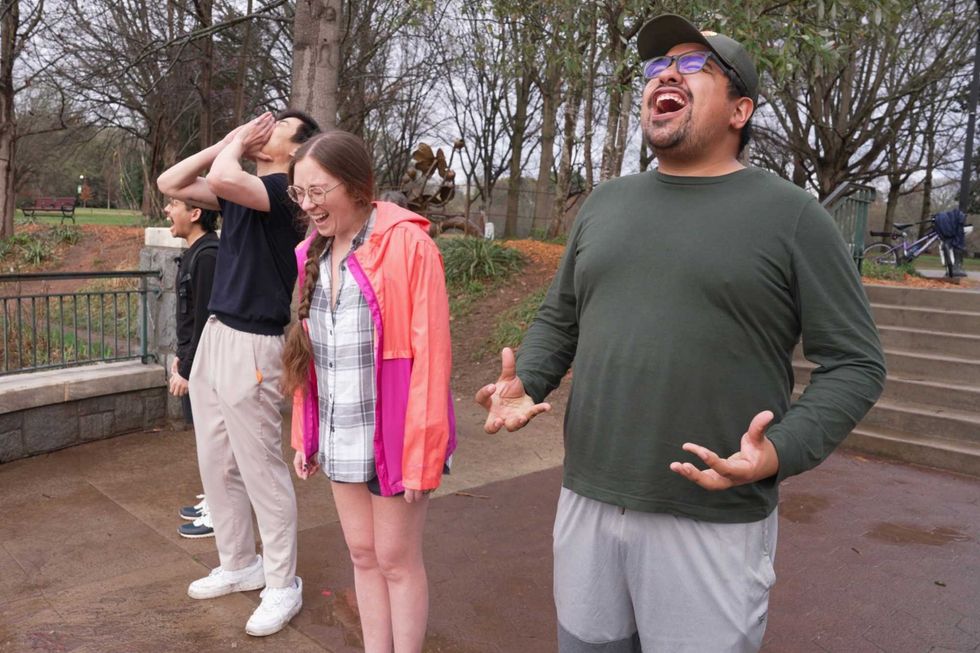
People participate in a Scream Club meeting at Piedmont Park
AP/Emilie Megnien
A gut-wrenching wail, rippling from her body, marked the moment Amber Walcker joined a dozen others in West Seattle, their collective frustrations dissipating over the Puget Sound. This was just the beginning. Two subsequent group screams, each more prolonged and intense, served to release the profound pain of Walcker’s recent job loss. The added burden of raising two young children dissolved as her cries blended with the lapping water, leaving her with a deep sense of calm.
"I had such a sense of feeling grounded. In that same moment, all your senses are heightened," Walcker recounted. "From then on out, I was hooked."
That September day marked the inaugural meeting of Seattle’s chapter of Scream Club, one of 17 such groups that have rapidly emerged across the United States in less than a year. From Austin, Texas, to Chattanooga, Tennessee, Atlanta, Detroit, and San Juan, Puerto Rico, the phenomenon is taking hold.
The club’s genesis traces back to Chicago, born from a challenging period in co-founders Manny Hernandez and Elena Soboleva’s relationship. Having recently moved in together after a year and a half of long-distance dating, the couple found themselves walking along Lake Michigan. Hernandez, a breathwork practitioner and men’s coach, suggested they release their pent-up frustrations with a scream at the end of a pier. When they sought permission from nearby onlookers, everyone present decided to join in, their raw emotions echoing across the water.
 AP/Emilie Megnien
"After we did it, some people were crying, including Elena," Hernandez recalled. "That’s when we looked at each other and said, ‘This is probably something that we should start.’"
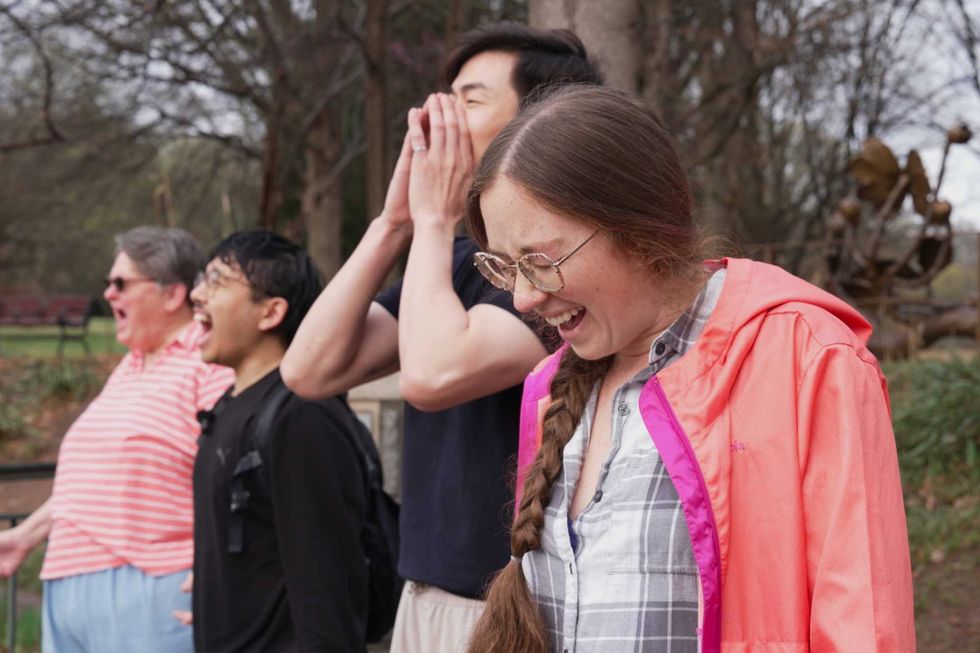
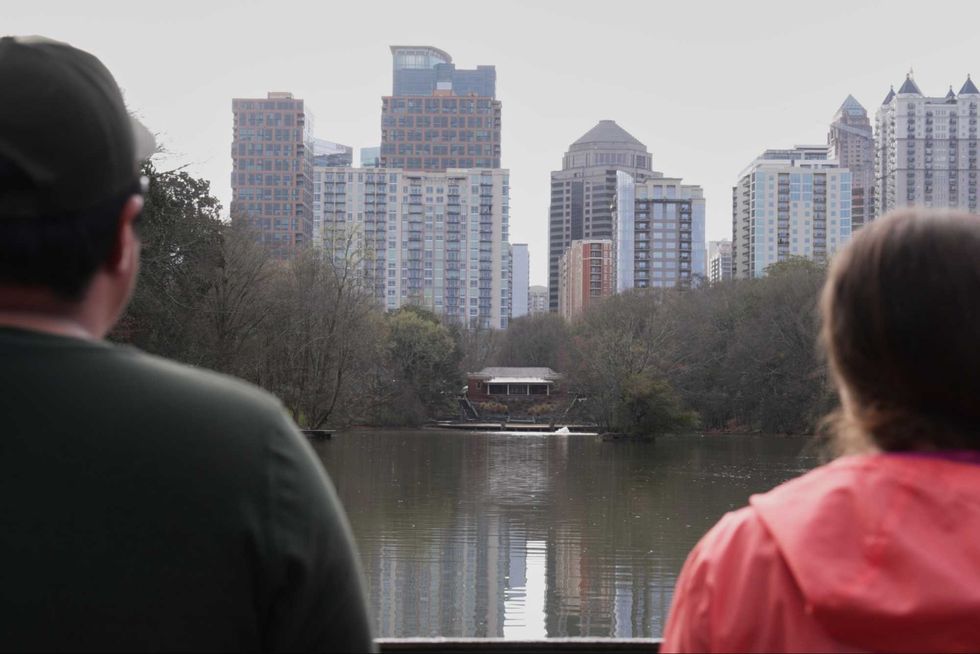
Scream Club meetings, which can be weekly or monthly depending on the chapter, are always held in a park or near a body of water to minimise disturbance. Sessions typically commence with participants jotting down what they wish to release onto biodegradable paper. This is followed by a series of collective deep breaths and vocal warm-ups, such as humming while inhaling and exhaling. "You can really strain your throat if you just do it," explained Soboleva, a personal brand and business mentor. "So it’s gradual, breathing from your diaphragm and carefully starting off slow and warming up to louder and louder."
The group then screams together three times, pausing for several deep breaths between each, before casting their papers into the water. "That third scream, you have to feel it in your body," said Walcker, who founded the Seattle chapter. "Get down, be in a primal stance, whatever it feels like to you in that moment."
The techniques employed by Scream Club bear a resemblance to primal scream therapy, a concept developed by Los Angeles psychoanalyst Arthur Janov in the 1960s. Janov posited that childhood trauma manifested as neuroses in adults, which could be addressed by accessing and releasing this pain through supervised screaming and crying. However, decades of research have not substantiated scream therapy as an effective treatment for mental health conditions, according to Ashwini Nadkarni, a psychiatry professor at Harvard Medical School.
Nonetheless, Nadkarni affirms its efficacy as a potent stress reliever. She explains that screaming engages circuits in the amygdala and hippocampus – the brain’s ‘oldest part’ responsible for processing stress and emotion. It also activates the sympathetic nervous system, triggering the fight-or-flight response. Once the screaming ceases, the parasympathetic system takes over, signalling the body to rest. "It’s the same cycle of regulation that happens when you exercise," she noted. "Your heart’s racing, you get short of breath, and then you relax and you feel that calm."
 AP/Emilie Megnien
Beyond the physiological release, the simple act of gathering with others offers significant benefits. "The idea of people getting together to enhance community in ways that help them blow off some steam is incredible," Nadkarni added. Hernandez stated that while participants are not typically expected to publicly disclose their reasons for attending, many linger afterwards to share their struggles. Members of the Chicago chapter have recently grieved loved ones, battled cancer, or grappled with relationship difficulties.
Intriguingly, Walcker observed that some even attend to scream for joy. Whatever the motivation, the Seattle chapter often convenes just before sunset, allowing members to watch the sun dip below the water after their session. "It’s kind of like putting everything to rest," she concluded. "And that everyone knows that that’s the end of that, and we can all start fresh."
Top 100