The Conversation (0)
José Luiz Bernardes Ribeiro / CC BY-SA 4.0/Pexels
The beauty industry is currently valued at a whopping $677.2 billion (otherwise known as slightly less than Elon Musk's net worth), and when you consider how our routines have evolved over time, it's completely unsurprising.
From mesotherapy to microneedling, Botox to salmon sperm, there are very few stones left unturned when it comes to self-care.
In fact, it makes us question just how people throughout history coped without the technology and innovation that's available today - but now, we finally may have some answers thanks to a new research project.
FWF-funded project Face and Image. Cosmetics and Art, 1500–1800 is dedicated to painting a picture of what the personal care looked like from the Early Modern period, and how closely they intertwine with what we do today, as well as its bigger impact.
Romana Sammern, a historian and cultural scientist, is at the heart of delving into this little-explored topic, and believes that beauty care, personal hygiene, and knowledge were all went hand-in-hand, and often dictated social status. Sound familiar?
 Gemäldegalerie Berlin/Wikipedia
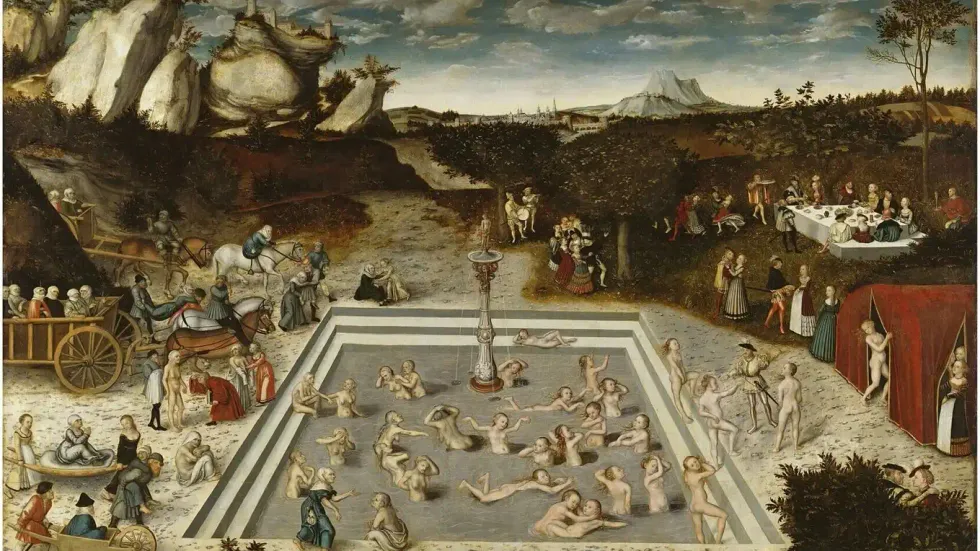
It would explain why “The Fountain of Youth” (1546) by Lucas Cranach the Elder has become one of the most iconic works that reflect our desire to be perceived as more attractive.
Sammern's interest was piqued by a visit to London's British Library, where she discovered a philosophy paper of Giovanni Paolo Lomazzo - best known for writing about mannerist art.
“We know, for example, that painters and pharmacists at that time used identical ingredients for artistic creation and for cosmetics,” Sammern explains of what may have shaped routines during that period.
"There were writings on cosmetics and art theory that compared the painting of faces with the painting of panels.”
According to the FWF, this is seen through the numerous recipe books of the time, which bring together remedies and everyday practices.
And it appears it would've paid off in the same way that beauty standards often dictate success today.
 Pexels
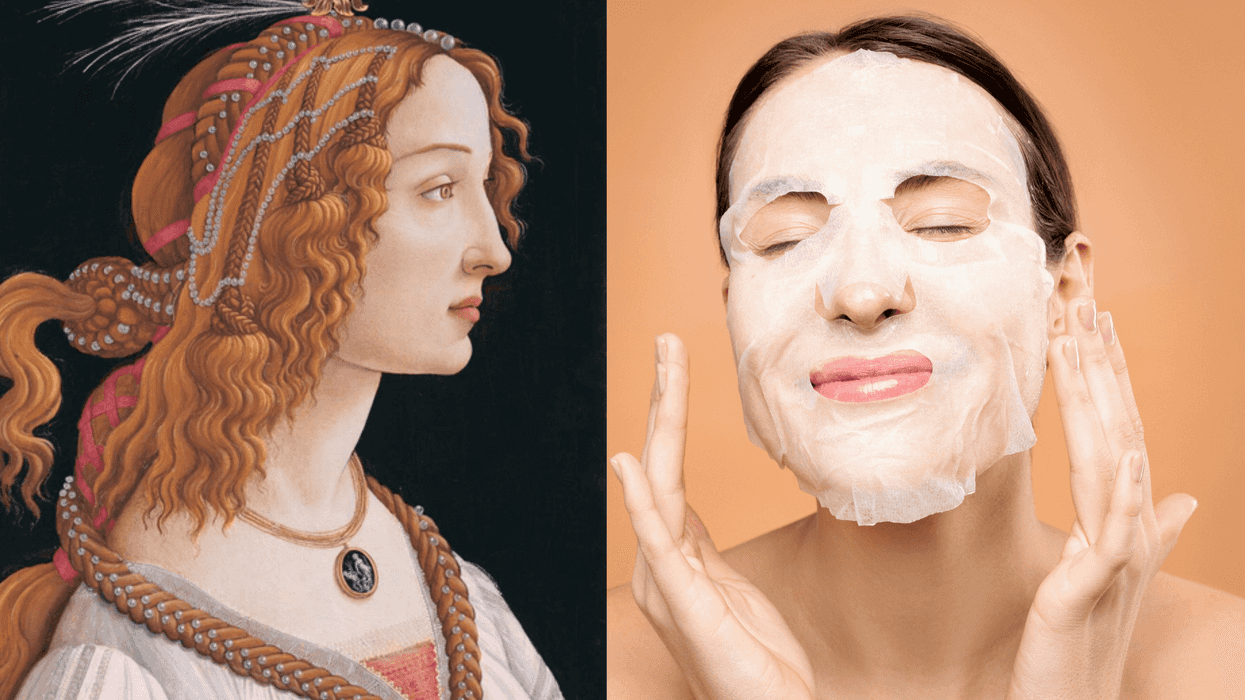
One example used is Sandro Botticelli's “Idealized Portrait of a Lady” (1480), which depicts the idealized version of a woman during that period, and proof that beauty could bump you up society's rankings.
Similarly, a portrait of Ferdinand II by Francesco Terzio, in which the Archduke of Tyrol is seen with “the most ideal of the humoral temperaments", rooted in positivity and determination.
Sammern explains how his hands and neatly trimmed beard demonstrate that beauty was almost definitely dictated by fashionable trends in the 16th century, the same way they are today, making him more favorable to the public.
The study has also uncovered many recipes for male beard care and dyes from that period, too, as well as for permanent hair removal for men and women.
So, it would turn out that the men and women of the 16th century were just as image-conscious as we are today, and that the quest for beauty standards definitely isn't a new thing.
Red light therapy masks? Our ancestors would've loved them given the chance.
Why not read..
TikTok is coming up with solutions on how to beat the 'winter uglies’ and we're invested
Why you should never pop a pimple in the 'triangle of death' on your face
Sign up to our free Indy100 weekly newsletter
Top 100