The Conversation (0)
Ban Social Media if They Fail Us?
DW - Vertical / VideoElephant
Dual jury verdicts this week have validated longstanding concerns about the dangers of social media for young people. However, the US lacks federal regulation that meaningfully addresses these harms.
On Wednesday, a Los Angeles jury found both Meta and YouTube liable for harms to children using their services. A day earlier in New Mexico, a jury determined that Meta knowingly harmed children’s mental health and concealed what it knew about child sexual exploitation on its platforms. Parents and children's advocates cheered the decisions, but argue that without federal regulation to rein in companies, platforms like Instagram, YouTube and TikTok are unlikely to implement meaningful change. Many are pinning hopes on the Kids Online Safety Act, which won Senate approval in 2024 but has since lingered.
Other countries, meanwhile, have implemented — or are planning — a bevy of restrictions on children's online activities, ranging from social media bans to requiring younger teens to link their accounts to a parent's. Here's a look at how countries outside the United States are regulating kids and technology.
In 2024, Australia became the first country to prohibit children under 16 from social media. The law makes platforms – including TikTok, Facebook, Snapchat, Reddit, X and Instagram – liable for fines of up to $50 million (£26 million) if they fail to prevent under-16s from holding accounts. Whilst many parents have cheered the move, concerns exist regarding the efficacy of age estimation methods (platforms are not required to ask for government-issued IDs) and potential impacts on young people's free speech, social connections, and privacy. Critics also fear the ban will affect the privacy of all users who must prove they are older than 16.
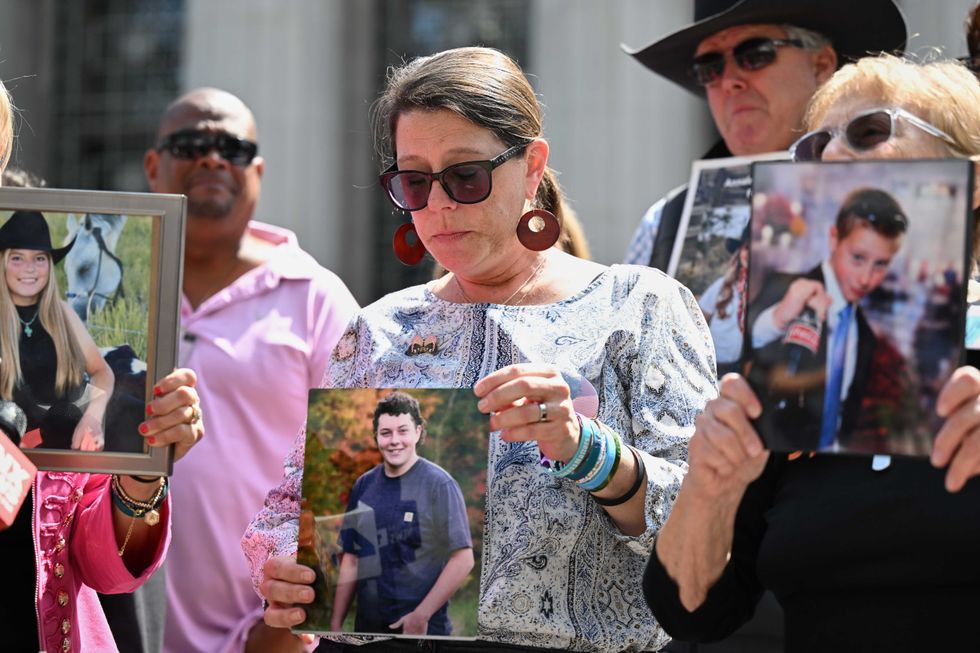 Mary Rodee holds a photo of her son Riley after the verdict in a landmark trial over whether social media platforms deliberately addict and harm children at Los Angeles Superior Court AP
A Brazilian law seeking to shield minors from addictive, violent and pornographic online content took effect this month, hailed as a milestone in child protection. Under the new law, children under 16 must link social media accounts to a legal guardian for supervision. The legislation also prohibits platforms from using addictive features, such as infinite scroll and automatic video playback. Digital services must implement effective age verification beyond self-declaration.
Following Australia's lead, Indonesia will ban social media for children under 16 beginning this month. The regulation means under-16s can no longer have accounts on "high-risk" digital platforms, including YouTube, TikTok, Facebook, Instagram, Threads, X, Bigo Live and Roblox. Implementation starts gradually from 28 March until all platforms comply. Indonesia will be the first country in Southeast Asia to restrict children's social media access.
Since January 2025, major social media and messaging platforms with at least 8 million users in Malaysia must obtain a licence, tightening state oversight. Licensed platforms must implement age verification, content-safety measures and transparency rules, reflecting a push for safer digital space. The country also plans to ban under-16s from social media this year.
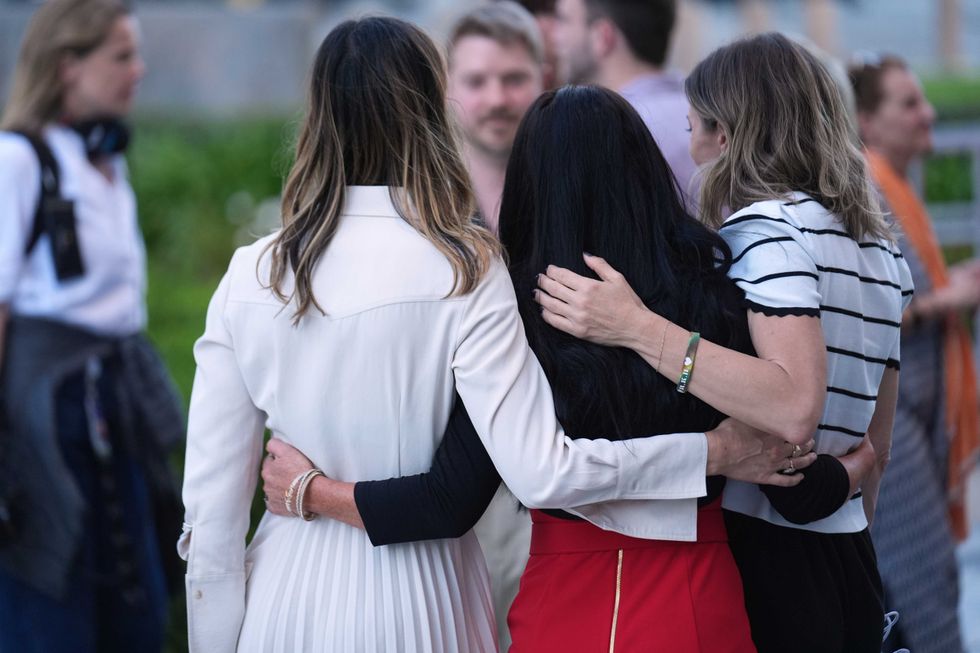 Parents of children who they say were victims of social media platforms hug outside Los Superior Courthouse after to listening to closing argumentsAP
Across Europe, several nations are also tightening their grip. Spain's prime minister, Pedro Sánchez, announced in February that the country plans to limit social media access for children under 16, in a move designed to shield young people from the harms of online content. In January, France approved a bill banning social media for children under 15, paving the way for the measure to take effect at the start of the next school year in September. The bill would also ban the use of mobile phones in high schools. The French government had previously passed a law banning the use of phones in all primary and middle schools. Denmark has introduced similar legislation to ban access to social media for users under 15, whilst the United Kingdom said last month it would consider banning young teenagers from social media, as it tightens laws designed to protect children from harmful content and excessive screen time.
These international actions highlight a growing global determination to protect young people online, presenting a stark contrast to the stalled legislative efforts in the United States.
Top 100