The Conversation (0)
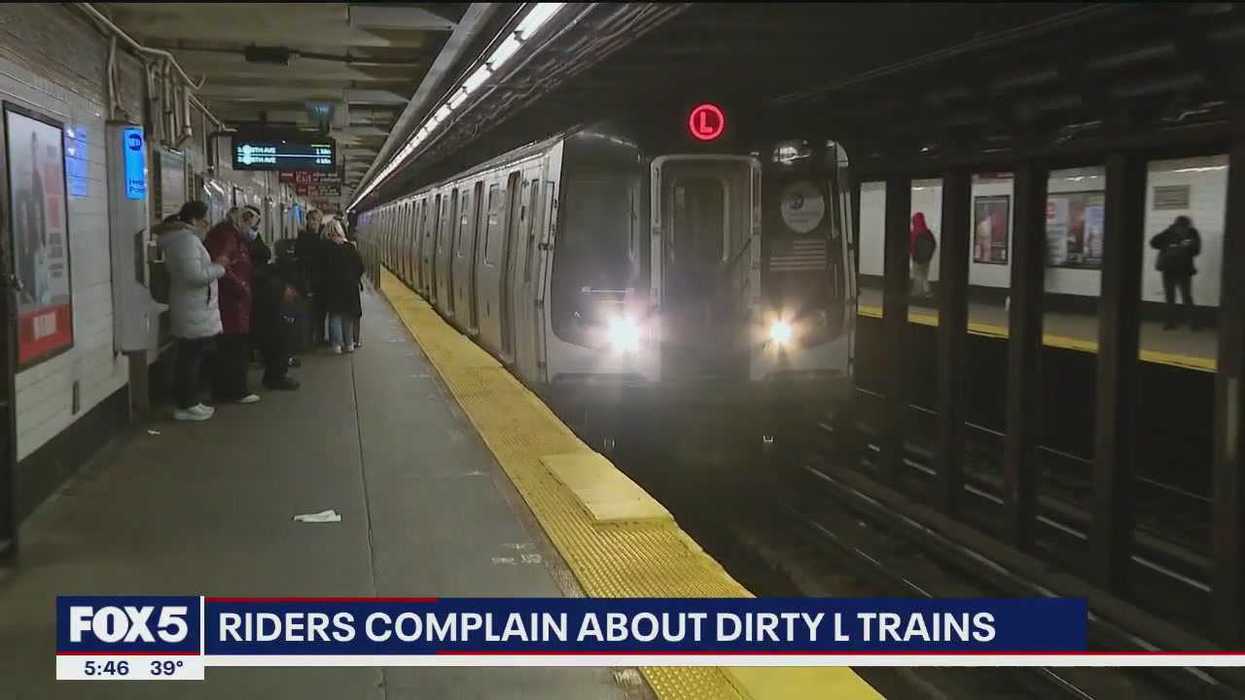
Related: NYC subway riders complain about dirty L trains
Fox - 5 NY / VideoElephant
Commuters enduring sweltering conditions on underground networks in London, New York, and Boston have had their complaints validated by new research, which confirms that rising surface temperatures are directly linked to increased discomfort below ground. A study published in Nature Cities reveals a direct correlation between outdoor heat and a surge in passenger complaints, a problem set to intensify as climate change drives global temperatures higher.
Researchers from Northwestern University analysed over 85,000 crowdsourced social media posts from X and Google Maps reviews between 2008 and 2024. They focused on the subway systems of these three major cities, some of the world’s oldest and busiest, searching for keywords related to "thermal discomfort" such as "hot" and "warm," while filtering out unrelated uses.
The study’s authors noted that subway riders often expect cooler temperatures underground. Their findings showed that a 1-degree Fahrenheit (0.56-degree Celsius) increase in outdoor temperature led to a 10 per cent rise in complaints in Boston, 12 per cent in New York, and a significant 27 per cent in London. This comes as Earth’s average temperature warmed by 1 degree F (0.56 degrees C) from 2008 to 2024, according to the National Oceanic and Atmospheric Administration.
The analysis also considered posts across different seasons, times of day, and days of the week. Giorgia Chinazzo, assistant professor in Northwestern’s Department of Civil and Environmental Engineering and co-author of the study, observed: "Interestingly, over the weekend, people complained less." She speculated this could be due to people dressing differently than on workdays.
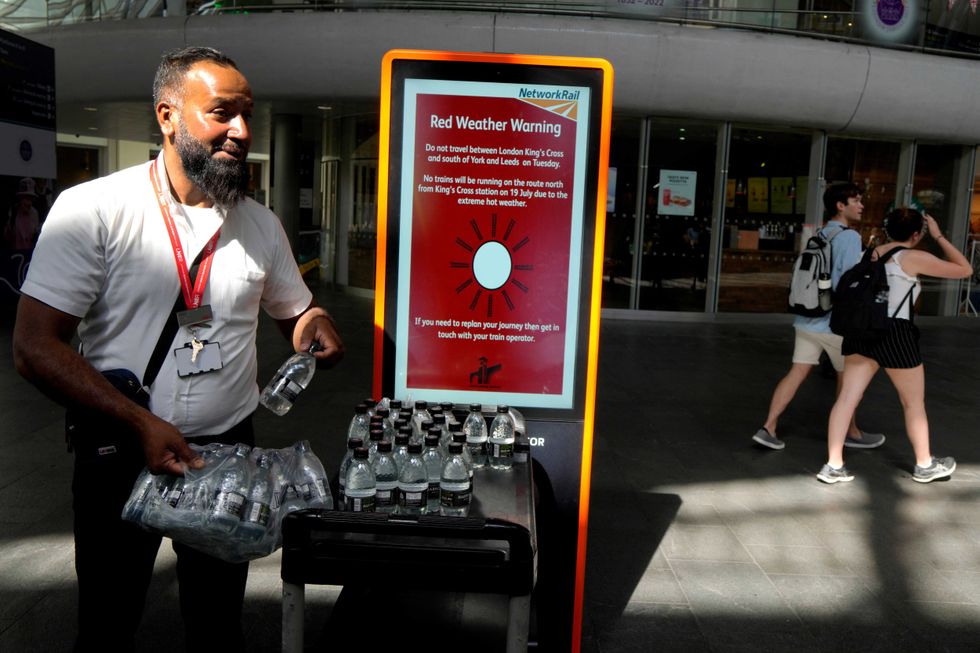 A railway worker hands out bottles of water to passengers at King's Cross railway station where there are train cancellations during a heat wave in LondonAP
Flavio Lehner, an assistant professor of Earth and atmospheric sciences at Cornell University, who was not involved in the research, noted that the study aligns with previous work linking environmental conditions to human behaviour via social media data. However, he highlighted limitations, including the focus on only three transit systems and the difficulty in controlling for other factors influencing social media activity.
Kris Ebi, a public health and climate professor at the University of Washington, also not involved in the study, suggested the actual impact of subway heat might be greater than reported, as vulnerable groups are often underrepresented on social media. Ebi emphasised that the study’s scale "provides compelling evidence that cities should be planning for measures to keep people safe during hot weather."
This research could significantly influence how policymakers and subway operators adapt to extreme heat. "We’re all experiencing rising temperatures. So those above will be reflected underground, and this will be reflected in people complaining more and more," Ms Chinazzo stated. "Mitigation and adaptation strategies are things that will be much more implemented in the future."
Potential solutions include installing fans, operating cooling systems at specific times, or providing drinking water during peak heat. "We need new technologies and tools, new methodologies that people can use to face these changes in temperatures that everyone is aware of and experiencing nowadays," she added, warning that the situation "will be worse in the future."
Top 100