The Conversation (0)
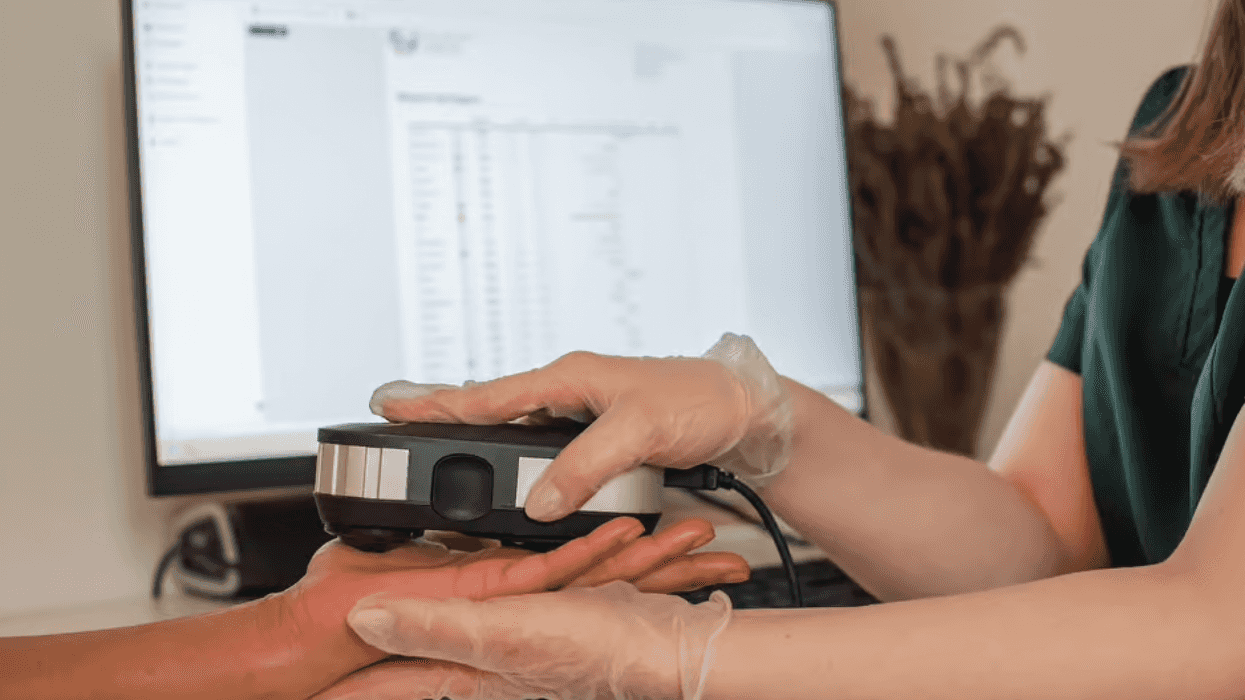
OligoScan
When we think of palm readings, we often envision a crystal-clad, mythic woman nestled in a velvet-draped tent, ready to make or break your future with nothing but a tarot deck and some loose-leaf tea.
But, what if a palm reading was actually the key to uncovering imbalances in our health?
No, I’m not referring to the ‘life lines’ you’d measure against your friends in the school playground - but, rather, an up-and-coming clinical technology that assesses mineral deficiencies, heavy metals, antioxidants and vitamin levels just from looking at your hands.
That’s where OligoScan comes in; an FDA-approved wellness check that claims to be quicker and more precise than a blood test. It's priced around £100, which, for some, is tempting enough to skip needles and waiting times entirely.
Instead, it uses spectrophotometry, where light passes through the skin of your palm, allowing the reflected wavelengths to be analysed.
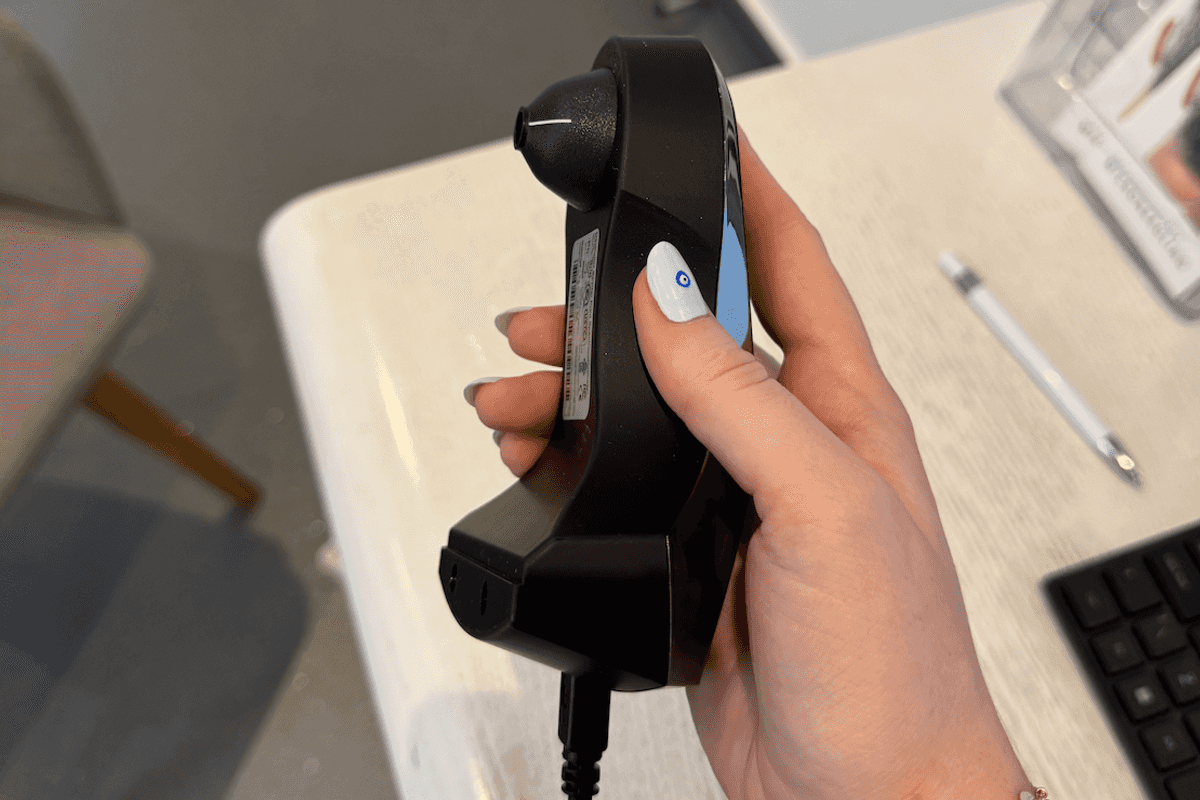
Its instant results can reportedly provide a data-rich health profile that highlights the hidden imbalances influencing skin ageing, dullness, inflammation, fatigue and overall wellbeing.
Dr Barbara Kubicka, one of the fastest-rising aesthetic medicine doctors, based at ClinicBe London, offers the treatment, and who I chose to help me gain a better insight into my health.
It’s hoped that the results would allow the clinic to provide me with targeted supplementation and nutritional optimisation, tailored IV vitamin therapy, regenerative aesthetic protocols informed by biological data, and detox strategies for heavy-metal exposure, based on the findings.
To be clear: I was well aware of what I was getting myself into.
While I generally eat well, use personalised supplementation, and try to stay fit, I'll be the first to admit that stereotypical levels of corporate stress take front and centre in my life, and my favourite way to unwind is with a crisp glass of rosé.
However, I've already done a stint at the world's leading wellness resort, which gave me the wakeup call I needed to make some major changes - particularly around oxidative stress and the art of living more slowly. This is where I'd find out if they'd paid off.
I was skeptical, but willing to give it a chance.
I headed to Dr Kubicka's clinic in Knightsbridge, London, where the setup was simpler than I imagined. There was no big, fancy machinery, but, rather, a small, unassuming handheld device that took all of 30 seconds to deliver three pages of results.
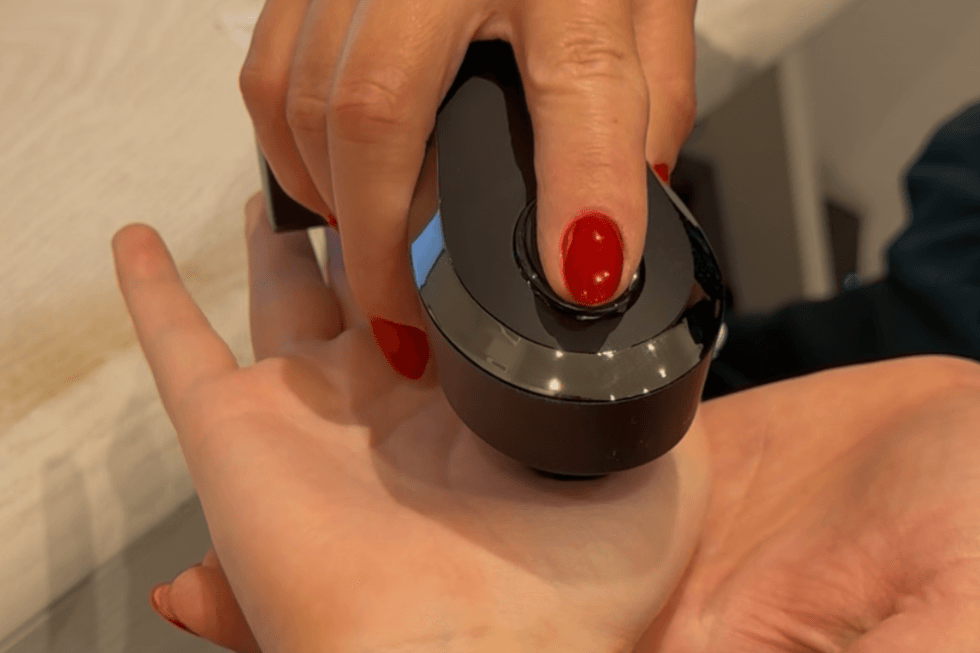
I was asked basic questions around my height, weight, and blood type, before the clinician tapped the device against four key points on my palm: two at the top, two at the bottom.
Within moments, a full report was in front of me, detailing everything from a mineral analysis, to predispositions of potential challenges - whether hormonal, metabolic, or mental.
What's more, it was explained that while blood tests use the instantaneous nature of your blood's properties on any given day, the spectrophotometry gives an idea of how your body is functioning over time, making it the perfect pairing with other diagnostic testing.
One thing that wasn't on my wellness bingo card, was that despite being someone who takes enough supplements to rival Kim Kardashian, almost all of my vitamin levels fell far below the 'ideal' zone.
For context, my folic acid levels were 14 per cent of where they should be, vitamin C, 34 per cent, and B12, 43 per cent. Had my all-out approach to trying to be healthy quietly been failing me all along?
 iStock
Well, the clinician explained that it's not always about how much of something we're taking - but rather its quality. Many cheaper supplements actually use binding agents that dilute them and keep production prices low, even if their strength appears optimal on the surface.
Given the size of my supplement arsenal, I was guilty of often reaching for the cheapest option on the shelf in an attempt to keep my daily routine affordable.
The revelation raised questions about how my supplements were making me feel - and, truthfully, forced me to face the reality that quite often, I wasn't noticing any major changes if I skipped a day here or there.
What's more, I've often found myself questioning why I still don't feel at my best, particularly when I've become somewhat of an over-committer when it comes to health.
It was a hypothesis only fuelled when looking at my mineral results, with my zinc levels sitting at almost double what they should be, aptly illustrated by an intimidating, red line.
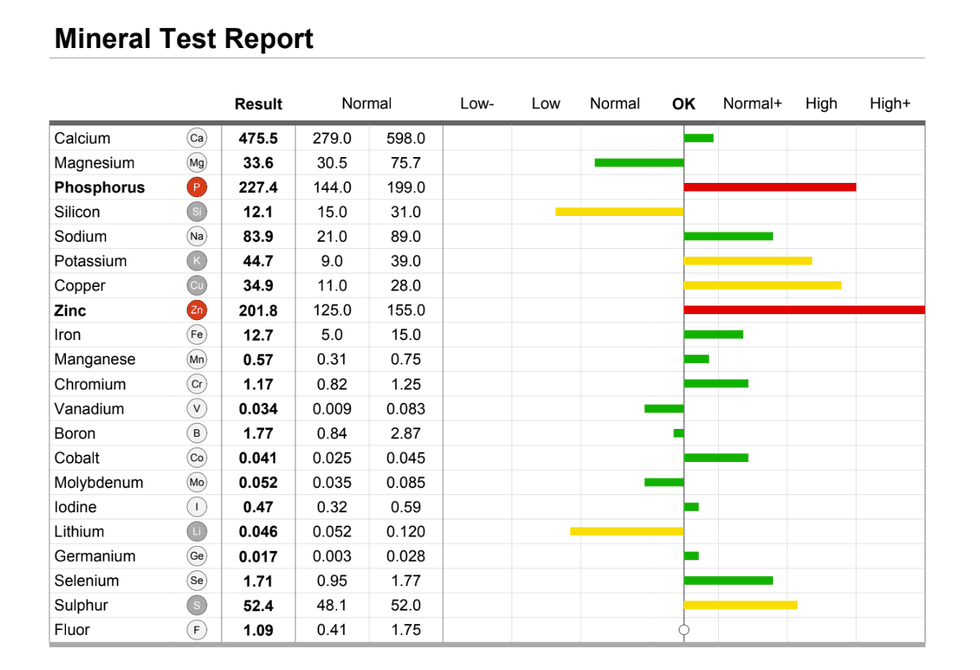
Zinc deficiency is common. Zinc is important for immune health, cell growth, metabolism, and wound healing, and often found in oysters, red meat, nuts, and poultry.
But given that knocking back oysters isn't how I get my kicks, it made it all the more baffling as to how I'd ended up here, at risk of diluting my body's ability to absorb other essential minerals - or worse, zinc toxicity.
After doing some digging, I uncovered that many of the supplements I was taking for other benefits were also housing small, seemingly insignificant amounts of zinc adding up in the background.
The result? A long-awaited overhaul of my morning routine to one that was far simpler, and far more effective.
Another standout result came in the form of a heavy metal consumption report. While most were sitting at a comfortable level, there was one offender that's unfortunately inescapable for most of us: aluminium.
It would turn out that by enjoying my daily 2pm Diet Coke from a can and wrapping dinner leftovers in tinfoil is certainly leaving its trace, long after the packaging had been recycled.
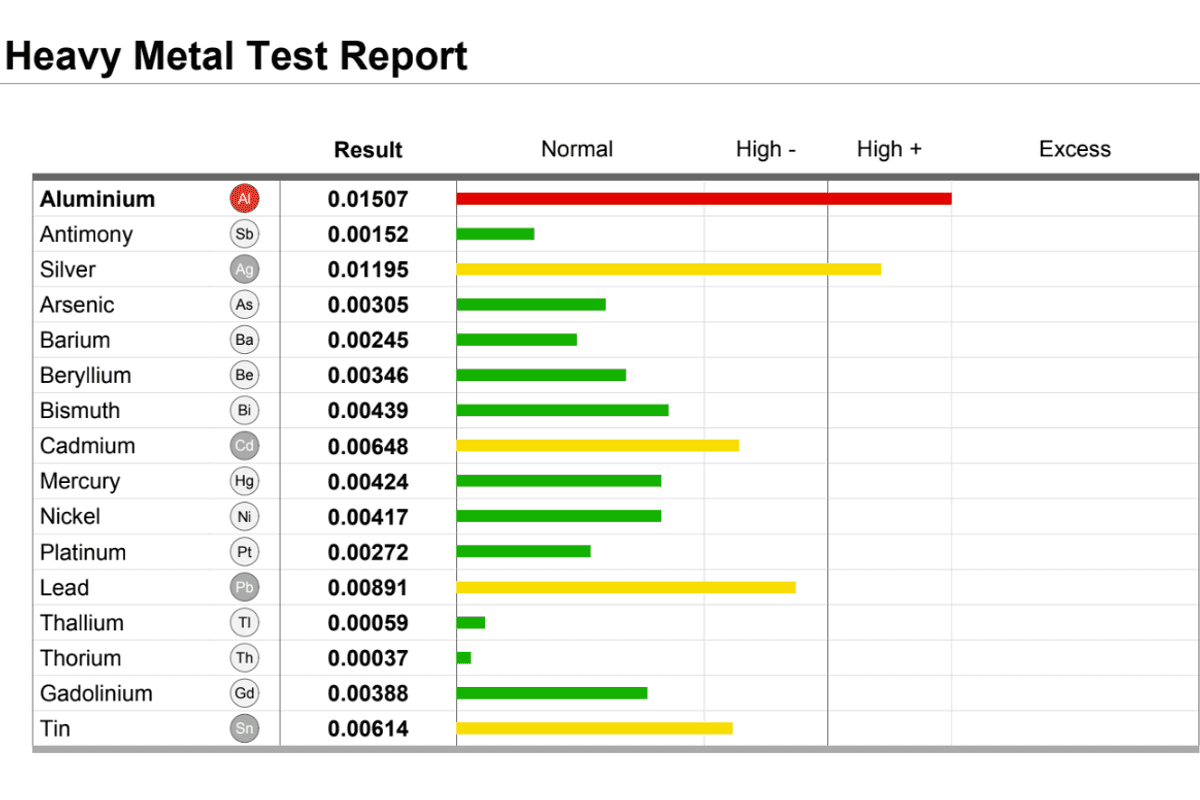
Prolonged exposure to high levels of aluminium has been associated with bone disorders, kidney damage, and hormonal imbalances to name but a few.
The clinic noted that while excess aluminium exposure is part-and-parcel of modern-day life, some smaller changes we could all be making included using beeswax wraps to store food, or considering using different cookware.
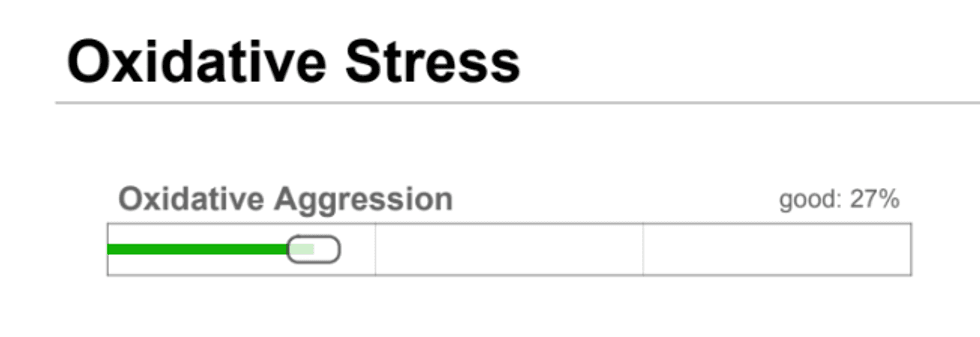
However, admittedly, the result I was most relieved to see came in the form of a little green line: oxidative stress.
Oxidative stress occurs when an imbalance between free radicals (or, unstable molecules) and antioxidants cause cell damage, contributing to accelerated aging, and a number of chronic diseases.
It was the result I’d been quietly dreading.
A year earlier, my inability to say no - combined with my tendency to romanticise the big-city lifestyle - had landed me in a cycle of 10-hour workdays, followed by six nights a week of events, Deliveroo, and socialising. From the outside, it looked like I was making the most of life. Internally, I was running on empty, and it was having a far more sinister impact on my health than I could've imagined.
But, it would appear I can breathe a small sigh of relief; as in that time, I've managed to reduce my oxidative aggression score down to 27 per cent. Perhaps meditation, slowing down, and a little more self-care weren’t quite as “woo-woo” as I’d once assumed.
One thing I'm particularly fond of with the OligoScan is that it's not designed to diagnose, but rather give you a more in-depth reality of how your lifestyle is correlated to what's inside, and provide more clarity on where we can all make those tiny changes that all add up.
It's advised to take the test once per year for an accurate look at how your scores stack up.
Ultimately, the biggest surprise wasn’t discovering what needed fixing, but realising how much of our internal health is shaped by the small, seemingly insignificant choices and how we respond to them.
Perhaps the fortune tellers had it right about the power of our palms all along - just not quite in the way we once imagined.
OligoScan is available at ClinicBe London
Why not read...
Is our sleep score secretly making us feel more tired than we are?
What is PCOS and why is changing its name to PMOS such a big deal?
How to join the indy100's free WhatsApp channel
Top 100