The Conversation (0)
Red Light Therapy: Does It Actually Help Your Skin?
unbranded - Lifestyle Vertical / VideoElephant
In a world moving at godspeed, with our brains and bodies doing their best to keep up, burnout is at record highs, and maintaining our physical and mental health can feel like a full-time job in itself. It’s no surprise we’re willing to try almost anything in the name of “wellness”, and what was once considered a fairly niche interest has become a mainstream obsession.
That’s exactly where my “passion” started. And while I actually hate calling wellness a passion of mine (or dismissing it as some surface-level trend, which is quite ironic given that part of my job is literally trend tracking), it has become a part of who I am. It was one of the things that kept me grounded through challenging experiences, through the panic attacks that followed (ah, the joys of life), and while navigating grief, long before it became a zeitgeisty buzzword.
I’ve previously spoken about how that interest eventually became something of an unhealthy, complicated obsession. So much so, it made me forget to actually live. But deep in my entry/budget-level Bryan Johnson experiment, I became my friends’ ChatGPT before ChatGPT existed, dispensing candid advice rooted in better sleep, somatic therapy methods, hydration, exercise, and essentially anything I found useful for helping break me out of fight-or-flight mode 24/7.
What I learnt along the way was that some of it is, quite frankly, BS.
Parts of the wellness industry are very good at money-grabbing at our deepest vulnerabilities and fears, particularly when it comes to our health. But some things have genuinely stuck, and most importantly, a lot of them are actually free or relatively low-cost.
There are, however, very few pricey things that have worked for me, which I've become a particularly big advocate for, and red light therapy is one of them.
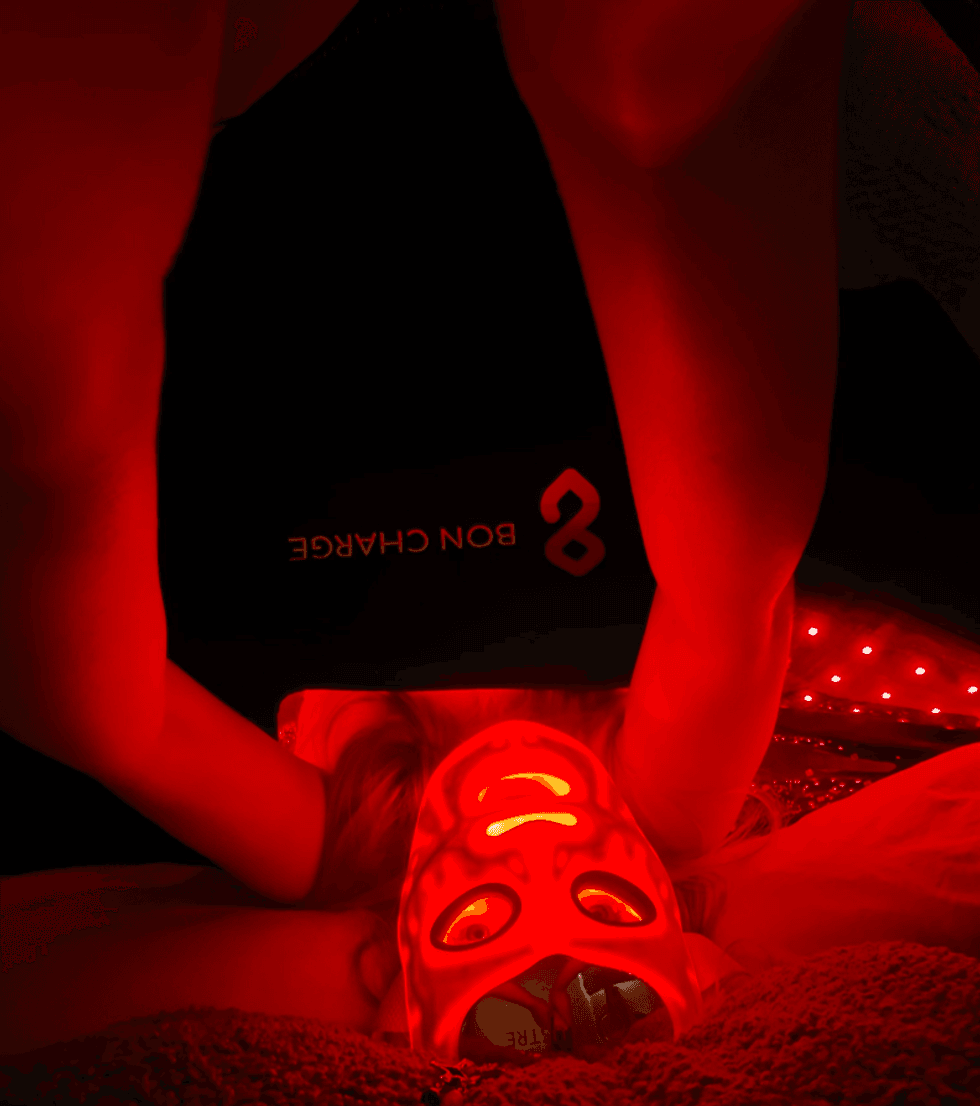
I’ve been using red light on my face for a good few years now, and I genuinely can’t rave about it enough. At this point, it’s almost become propaganda from my side, with friends and family receiving red light masks for Christmases and birthdays. Because one thing about me: if I find something to do exactly what it says on the tin, I will sing its praises and absolutely not gatekeep.
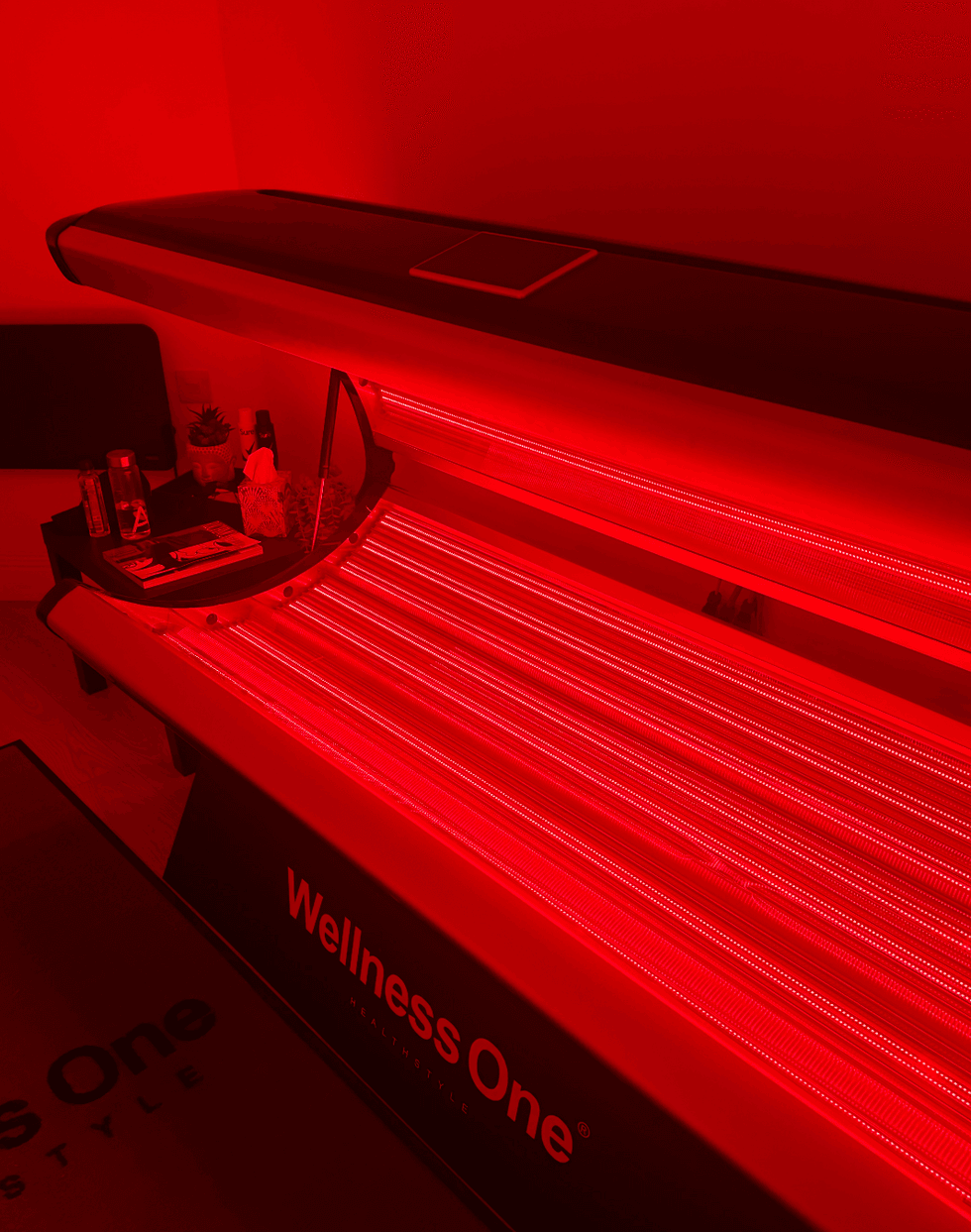
Eventually, I started looking into red light beds for full-body treatments. The only problem is the closest clinic to me is a good 40 minutes away, and that’s before you factor in finding the time to go for a 30-minute session.
 Becca Monagahn
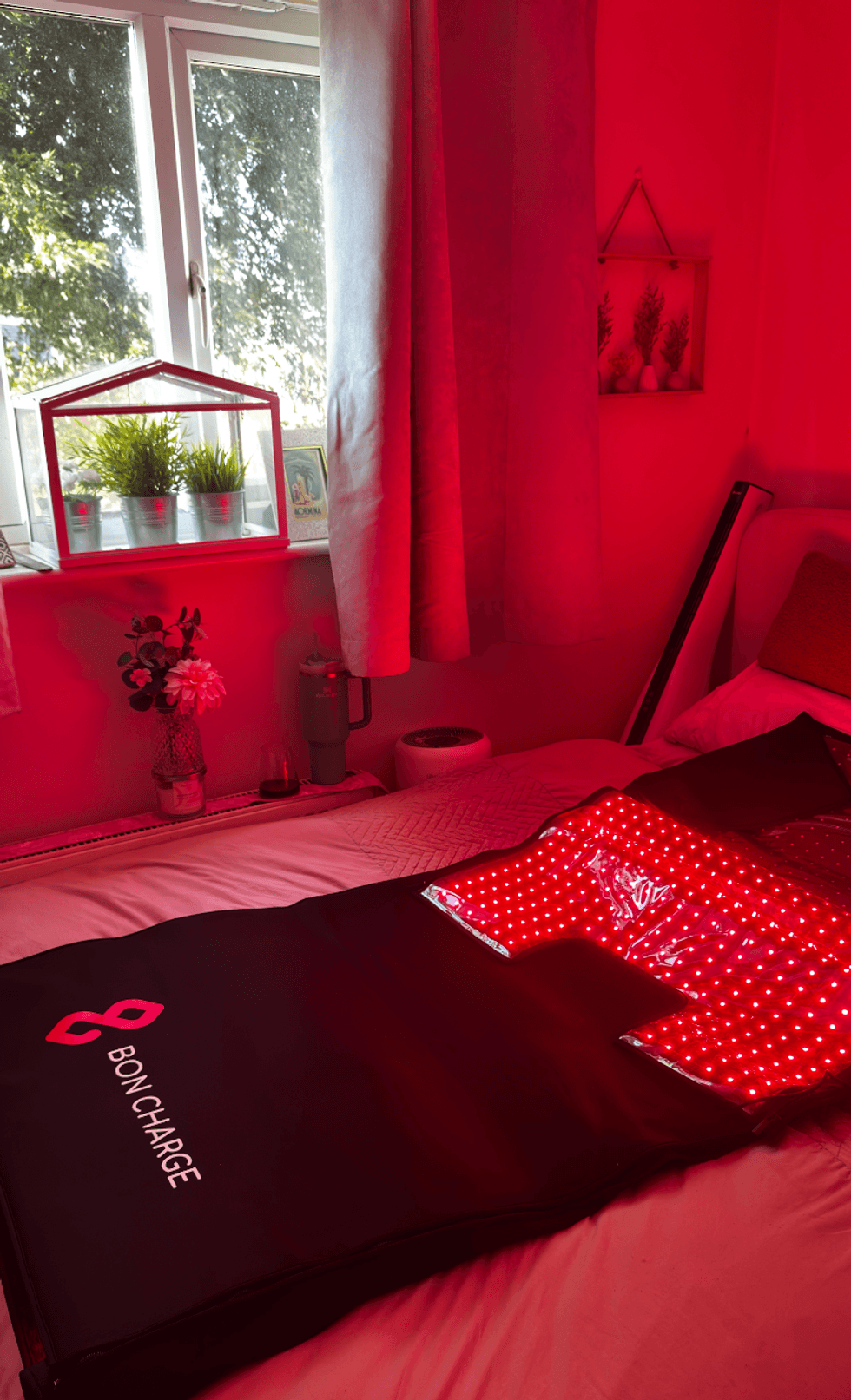
So when I heard BON CHARGE stocks red light BLANKETS for home use, I was all ears.
Now, don’t get me wrong: it’s a pretty penny. And by a pretty penny, I mean £1,600. Yep.
And while I don’t want to sound entirely out of touch, if you’re already deeply invested in red light therapy bed sessions (particularly when full-body red light beds can cost anywhere between £50 and £100+ per go), you could argue there’s some “girl math” in this investment.
Said to be designed to support recovery, relaxation, and rejuvenation from the comfort of your own home, the blanket uses 660nm red light and 850nm near-infrared light, which work at a cellular level to help ease muscle tension, improve skin appearance, and promote deeper relaxation and better sleep.
Dr Shabana Daya, an integrative aesthetic doctor, GP with postgraduate training in dermatology, and a member of BON CHARGE's Scientific Advisory Board, tells me there’s a reason red light therapy has moved beyond the face and into gyms, homes and recovery clinics. Red and near-infrared light can penetrate beneath the skin’s surface and support the cellular processes involved in energy production, which may help muscles and connective tissue recover and function more efficiently. “Photobiomodulation is thought to influence mitochondrial activity, circulation and inflammatory pathways,” she explains, giving it a plausible biological basis for its potential role in recovery.
 Dr Shabana Daya
I’ve been using the blanket for around a month now, and the first thing I will say is that it’s become a complete “turn-off” moment in my day. There are very few places or activities that genuinely switch my brain off: art galleries, walking, and red light therapy are probably the only three that immediately spring to mind.
Now, in the name of transparency, don’t be expecting a dainty little box delivered to your door. It’s a big piece of kit, and if your home is already at breaking point when it comes to storage, you may struggle to find somewhere to tuck it away when it’s not in use. It’s definitely not something you can just chuck in a drawer.
That said, let’s get to the nitty-gritty of the product. The instruction manual (which you have to search for online) recommends building up the intensity, so I’ve been doing 20-minute sessions on level three.
But my god, those 20 minutes of stillness and relaxing are incomparable. As someone who is fairly active with the work, the gym and Pilates, it’s not only allowed me to take a well-deserved rest, but has added a wholesome little structure to my day. Work > gym > wind-down routine and PM shower > red light > sleep. It’s a routine I’ve actually found myself looking forward to.
 Becca Monaghan
As someone who has a complicated relationship with sleep, I would categorically say that since adding this into my routine, I’ve been drifting off sooner and sleeping more deeply. I’ve had light sleep problems for as long as I can remember, so while it’s too soon to say whether this is entirely down to the blanket itself, there is something positively suspicious going on since I started using it.
I’m also conscious that my wind-down ritual is probably doing some of the heavy lifting here, too. I’m removing myself from my phone, lying still and actually allowing myself to wind down before bed, which is hardly a bad sleep habit. Dr Daya says that with regular use, some people may notice relaxation or less post-exercise soreness within the first few sessions, while other changes are more gradual. She recommends thinking in terms of cumulative benefits over roughly four to eight weeks rather than expecting some sort of overnight transformation.
Similarly, while the tension around my legs on those leg days is still very much there the day after, something has definitely shifted, and they feel lighter since using the blanket. I’m not going to sit here and tell you I’ve suddenly unlocked superhuman recovery, but there is a noticeable difference in how my body feels after a session.
 Becca Monaghan
And it seems I’m not completely imagining the recovery side of things. Dr Daya says studies looking at photobiomodulation applied to muscle have reported improvements in soreness and recovery, with emerging research also pointing towards potential benefits for sleep quality. A 2025 meta-analysis looking at high-level football and volleyball players found that photobiomodulation therapy applied before exercise reduced muscle soreness and improved performance 24 hours later compared with other recovery methods.
It’s become something I genuinely look forward to, although storing it away is perhaps not. And so, it's now a piece of furniture in my bedroom, just cropped up at the side because there’s no other place to put it. And with how frequently I use it, I don’t want to be lugging it in and out of the cupboard, creating yet another workout for myself post-workout.
Now, don’t get me wrong. If I had £1,600 chilling in my bank account, I would absolutely invest in it, especially if I knew I was going to get frequent use out of it. But if it’s something you’re just thinking about without having tried red light beds first, I’d recommend giving those a go before buying one. You don’t want to end up with a pricey bit of kit that you use once and then put away in storage. Because ultimately, the best wellness investment is the one you’ll actually use, and this is one I’m going to continue with.
You should also read...
Top 100