The Conversation (0)
News
Whether you're in a club or sat at home, in an age of tech, it can be all too easy to feel like you're living life through a screen - watching someone else's memories, or your own.
It's become a hot debate over the last few years; has phone culture on dancefloors spiralled out of control? In a world powered by likes and showing off our biggest highlights, being in the moment has undoubtedly lost its meaning along the way.
In fact, some artists have even turned to throwing phone-free parties synonymous with underground rave culture in a bid to bring music and connection back to the forefront of events.
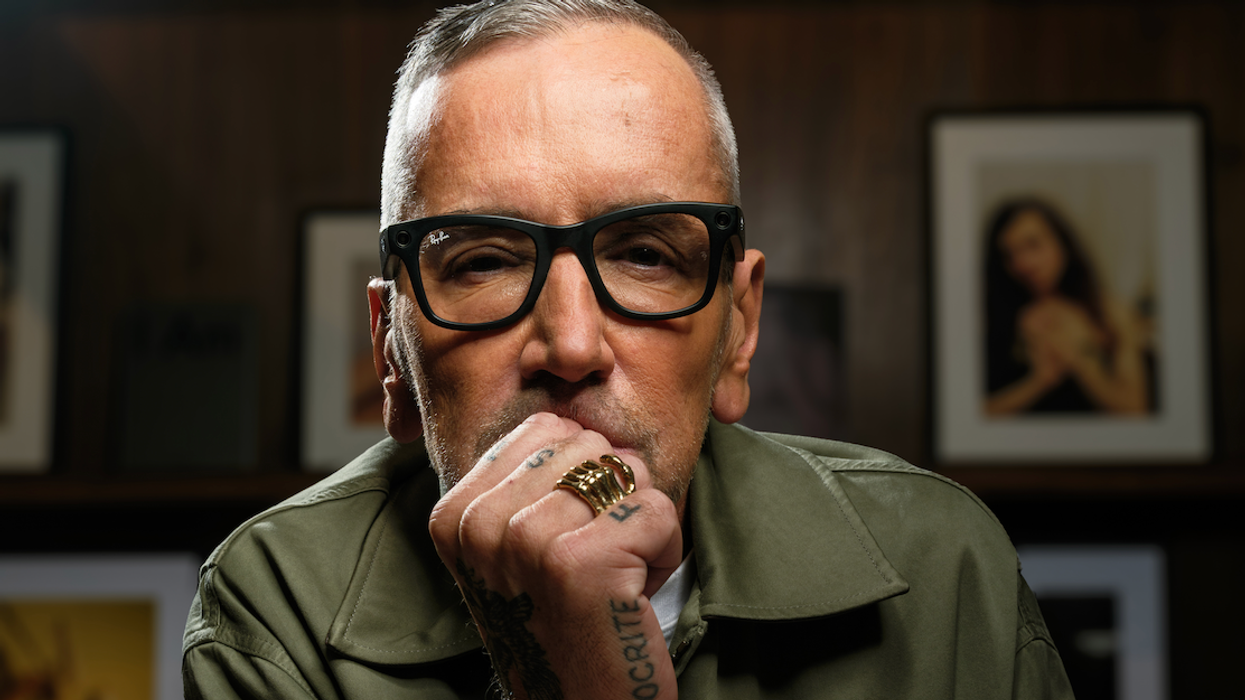
London-based nightlife icon and DJ of choice for the fashion set, Fat Tony, has witnessed the transformation of the dancefloor, from the illustrious era of raucous nights at famed New York clubs like Studio 54, to the resurgence of a new type of party culture - one centred around who-was-on-Instagram-with-who, and where reliving hazy nights through technology are as inevitable as the hangover the following morning.
"I first banned smartphone cameras from my events eight years ago as we quickly realised that everyone taking them out to capture moments was taking them away from… well, the moment", he tells us, noting that while phones have a place, we've reached breaking point with just how much they're used.
 Ray-Ban Meta
"Let’s be honest, you take pics of a night out, how many times do you actually look back at them?", he continues.
"The special feeling we used to get when we’d use a proper camera just isn’t there because it is so easy now. You must have seen some shows out there, like Keinemusik or Afterlife - not a person in the crowd without their phone up and truly living in the moment. Mad."
It's certainly up for debate - the new landscape has opened up certain genres to wider audiences, and artists who would've struggled to cut through the noise of the music industry otherwise are getting their platform. But does TikTok-ability now dictate our listening habits? For Tony, he's under no pressure to change the way he plays, regardless of whether it makes his sets less Instagrammable.
"You either have DJs that want to create sets that allow more people to film - that’s usually depending on the genre, the scale of production - or you have DJs who feel the crowd and feed off the crowd", he adds. "I’m the latter. I can play to 100 or 10,000 people; my number one priority is to make people dance."
 Pexels
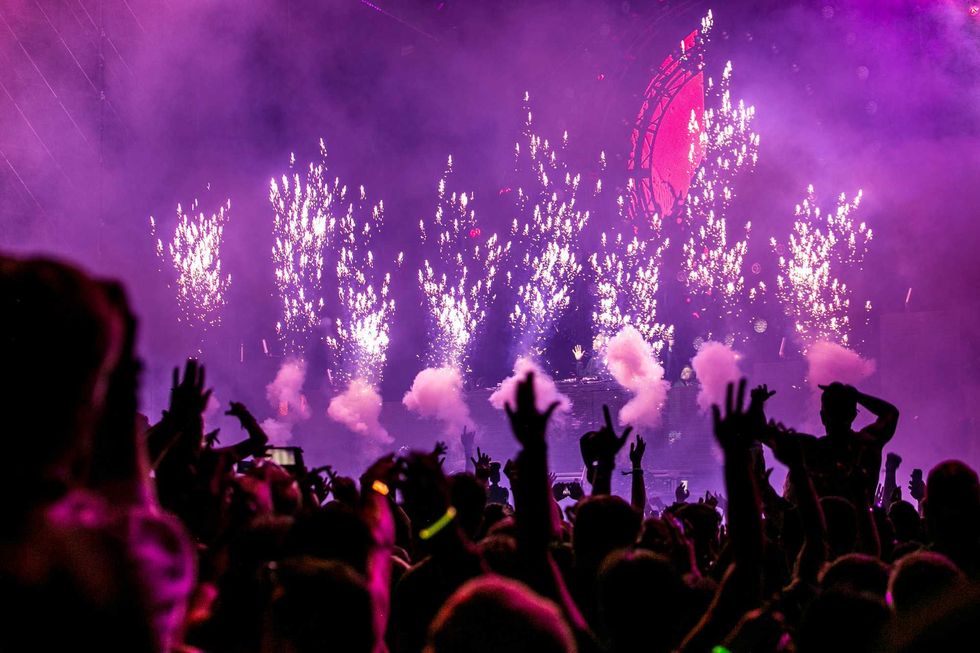
While 55 per cent of people admit to using a phone while clubbing, half agree that they ruin the vibe.
The birthplace of a solution to this new-gen problem may have already began blooming - and it's not in fighting against it.
AI and the Metaverse are slowly integrating into other areas of our lives, and when used properly, could actually help us enjoy the dancefloor and digital memories in equal measure.
Most recently, Fat Tony teamed up with Ray-Ban Meta for Club 2.0, an immersive clubbing experience at London's Frameless, where phones stay in pockets, but the night could be captured through their best-selling Meta glasses.
A staple in every new content creator's arsenal, the glasses blend the functionality of traditional glasses and sunglasses with the Metaverse; allowing you to capture content, listen to music, and even answer calls without the need for a screen.
To the naked eye, they're visually like your typical Wayfarers, but their AI-powered functionality has made them a standout in the tech market.
 Meta
Meta
"Not only can you still document parts of your night out, but you can remain present, and the whole process of capturing memories through the actual POV of your night makes it so much more exciting to relive later on. It’s a win-win", Tony says of why he's backing the transition.
"As with everything in life, we go through cycles, and I do believe that while we may be in a phase where we’re not as connected to one another, we will go back to that.
"I live in the best city in the world, London - if I can have a device that doesn’t stop me from doing my work, or making my calls, but that lets me look up a little more, I’m all for it. We all need to look up a bit more, whether it’s in a park, in the city or on a dancefloor."
Why not read...
Sign up to our free indy100 weekly newsletter