The Conversation (0)
News
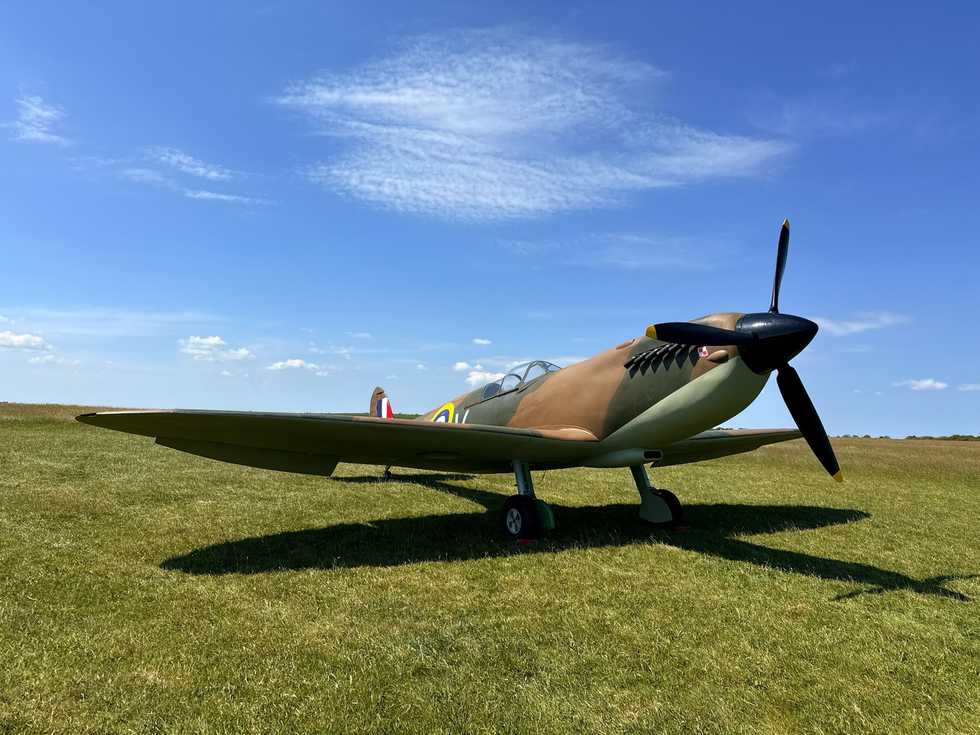
The Supermarine Spitfire could go back into production 90 years after its first flight – if the dreams of a team of enthusiasts are realised.
The next generation of the aircraft, a concept model called the Aerolite Spitfire Type 433, has been built by a team of designers and engineers at a fraction of the cost of buying an original.
The new two-seater model has been constructed for about £750,000, compared with the more than £3 million price tag of an original Spitfire.
The team revisited wartime government plans to replace diminishing supplies of aluminium for Spitfire fuselages with a composite alternative called Gordon Aerolite.
Those plans were later abandoned in 1940, but this team have continued with the designs to create the Aerolite Spitfire.
They have used modern composites to build what could be the world’s biggest kit form aircraft.
The aircraft will supplement the ranks of the very rare original two-seater Spitfire, as there are only about a dozen remaining operational.
Its composite construction means there is no requirement for hangar storage as it is weather resistant.
The full-scale concept model, which has been unveiled in Bodmin, Cornwall, will tour the UK this spring and summer at up to 10 air shows and military and classic motor festivals.
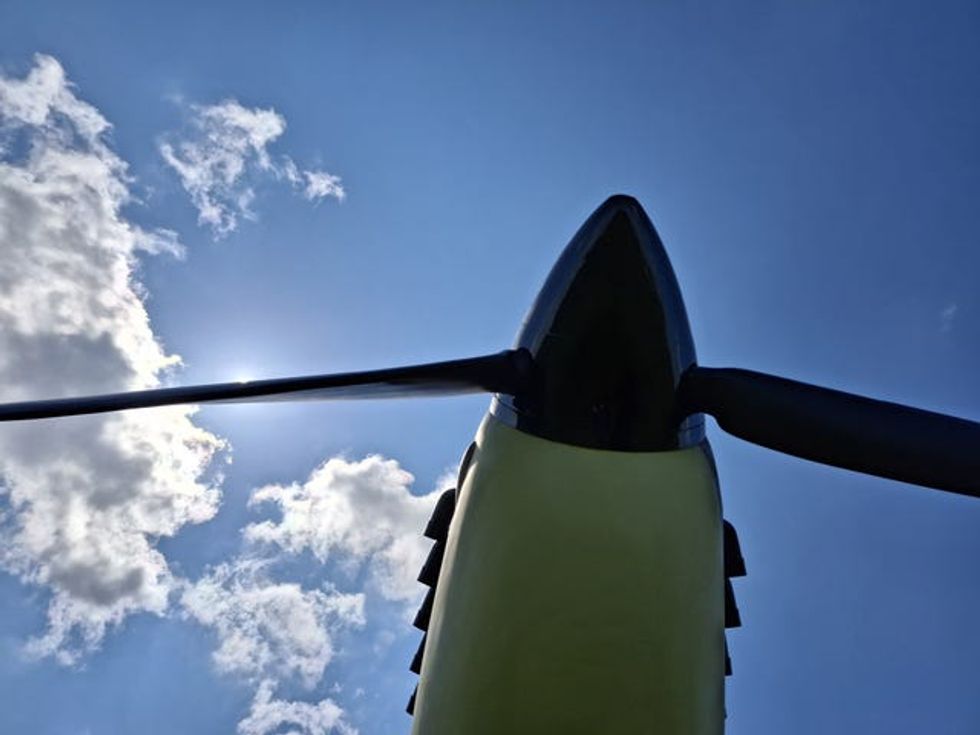 The Type 433 is the next generation of the Supermarine Spitfire (Aerolite Spitfire/PA)PA Media - Aerolite Spitfire
Jeremy Meeson, chief executive of the manufacturer Great British Supermarine Ltd, said: “The moment is right to reimagine the Supermarine Spitfire because today’s materials, propulsion, and digital engineering finally let us evolve an icon without losing what made it exceptional.
“This design stays true to its 1940s’ lineage – lightweight performance, balance, and pilot connection – while introducing advanced composites, modern power systems, and intelligent avionics.
“Just as the original Spitfire pushed the limits of its time, this one does the same.
“A recreational aircraft designed for pilots and enthusiasts who demand authenticity with real capability, it delivers a flying experience rooted in heritage but engineered for now.
“We are considering investors for this ambitious once-in-a-generation project.
“We know the appetite for Spitfire ownership is huge and that for most people the price tag for an original is insurmountable.
“Our Spitfire, at a fraction of the cost, is an attractive proposition for private aircraft-owning consortia.
“Aerolite anticipates a brisk progress towards full production with significant interest from UK and international buyers and investors.”
David Spencer Evans, a former chairman of the Spitfire Society and the Spitfire Heritage Trust, worked with Mr Meeson on delivering the project.
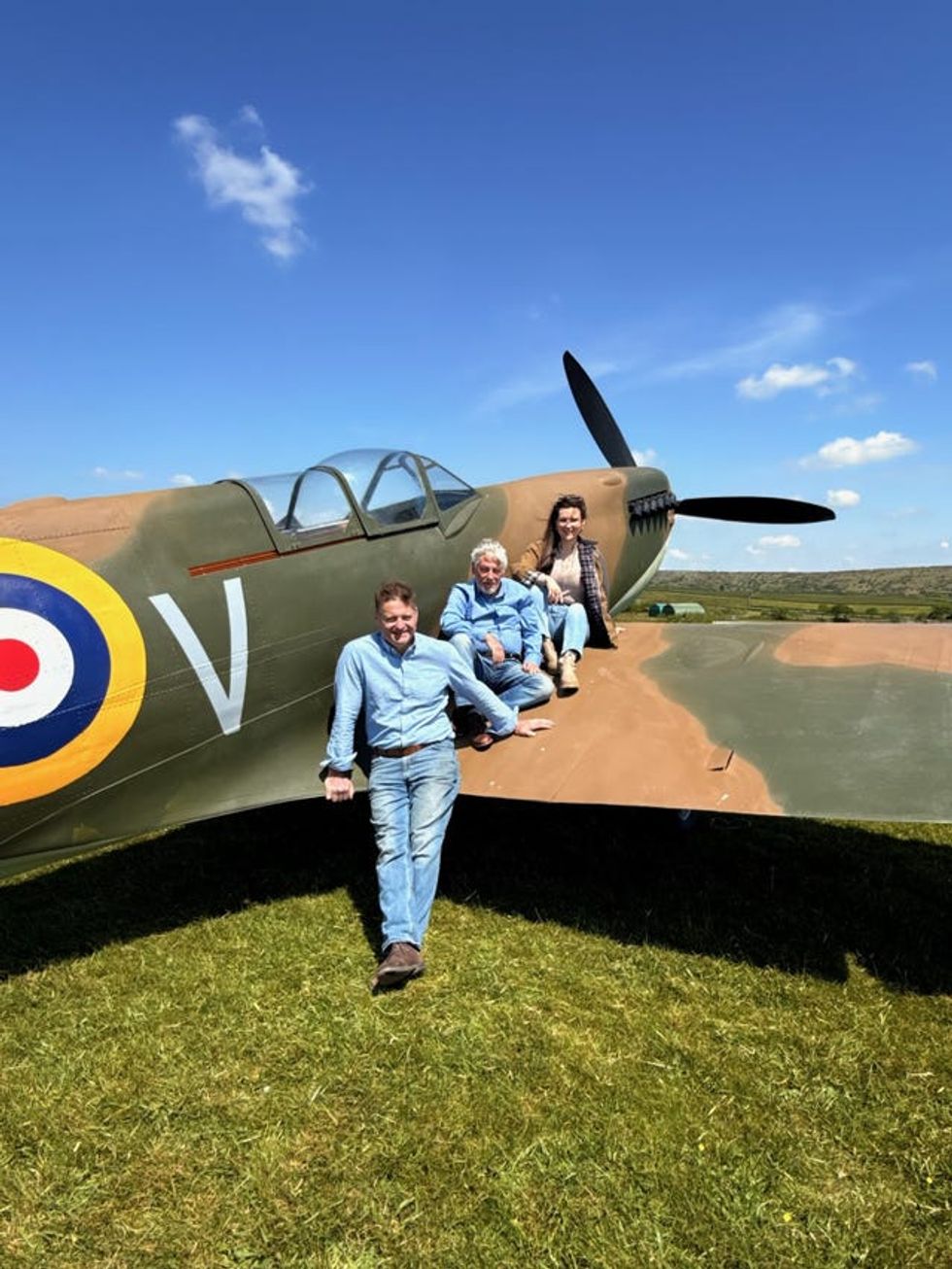 (from left) Jeremy Meeson, David Spencer Evans and Bridget Donaldson in front of an Aerolite Spitfire Type 433 (Aerolite Spitfire/PA)PA Media - Aerolite Spitfire
“We are continuing the Spitfire story in composite with this aeroplane,” he said.
“We have a vicarious connection with that original Spitfire, and we regard our Spitfire as a continuation of the Spitfire line.
“Every red-blooded Brit has some affection for the Spitfire. It’s something beautiful.
“Everybody recognises the Spitfire. It’s a wonderful machine.
“Nobody will let me fly a real Spitfire, so I have to build my own, don’t I?
“We are looking at a number of air shows this year to gauge the interest and also to invite potential investors to the project because it’s going to be an expensive business getting the prototype flying.
“We hope to do that in two and a half years from a standing start.
“It’s purely a fun aeroplane and it’s the sort of thing that a group of friends in a flying club might pool together to buy the kit, put together and fly.”
The Supermarine Spitfire became one of the defining symbols of Britain during the Second World War, playing a crucial role in the Battle of Britain and helping secure Allied air superiority.
Renowned for its speed, agility and distinctive elliptical wings, it remains one of the most well-known aircraft ever built.