The Conversation (0)
Science & Tech
Scientists are always discovering something new on Earth - and this time it is the birth of new oceanic crust.
The team say they have historic evidence of this process where the seafloor spreads apart, leading to a release of magma from inside Earth that rises to the surface, it is after this and when it gets in contact with cool seawater that it then solidifies and turns into new ocean crust.
This research, published in Nature, was carried out by French scientists at an autonomous observatory near Amsterdam Island, in the southern Indian Ocean on the edge of the Australian and Antarctic plates and the the Southeast Indian Ridge is nearby too.
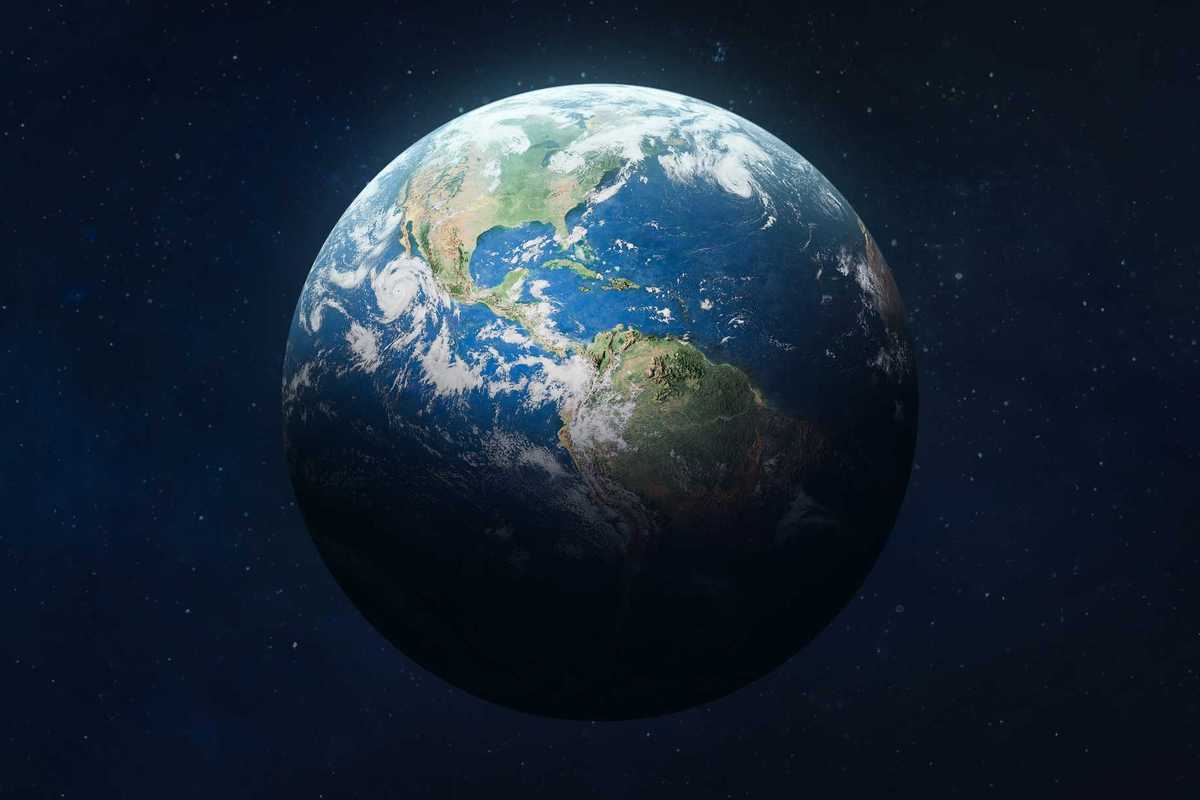 iStockphoto by Getty Images
First installed in February 2024, the observatory includes five autonomous hydrophones that can hear what's happening on the seafloor, as well as collect seismic and other geophysical data, as per IFL Science.
Two months later, in the April is when the findings showed a wave of earthquakes in region, resulting in the seafloor near the ridge to drop within days by 4.2 meters (nearly 14 feet).
The team reckons it's all to do with a giant magma reservoir that is 3.6 kilometers (2.2 miles) beneath the crust and leaking out onto the seafloor.
As for the timings, the data shows this happened between 9:03 pm and 9:40 pm on April 26, then a rise in water temperature indicating hot lava could have reached the seafloor by around 10pm.
“Past that time, slower seafloor subsidence may reflect magma drainage through open fractures connecting the reservoir to the seafloor,” the paper reads.
There's a name for this event as it's known as seafloor spreading as the activity causes tectonic plates to pull apart, and consequently a release of earthquakes and magma eruptions for a new crust to be created.
There are several factors, scientists believes this process occurs.
The first being that seafloor crust gets progressively older the farther you travel from a ridge, suggesting it emanates out from this central feature.
Another being the geomagnetic “Zebra stripes” which can be seen on the seafloor, that suggests this movement occurred in multiple bursts periodically.
To observe it actually occurring thought is a whole other thing - until now.
However, Ingo Grevemeyer and Lars Ruepke, two geophysicists at the GEOMAR Helmholtz Centre for Ocean Research Kiel noted. " “the seismic measurements identify where earthquakes occur, but not their depths. Therefore, deformation patterns in the crust remain elusive.”
In the News & Views article, they added: “Another caveat is that the sea-floor topography measurements made before and after the event were based on deep-water echosounder data with limited lateral and vertical resolution."
According to them, this matters because it brings ambiguity in terms of "the magnitude of depth changes and how far they extend across the sea floor".
That being said, this latest study provides an exceptional insight into how Earth was formed - after all, two-thirds of Earth's surface has been created at mid-ocean ridges with a process just like this.
Why not read...
Sign up to our free indy100 weekly newsletter
Have your say in our news democracy. Click the upvote icon at the top of the page to help raise this article through the indy100 rankings.