The Conversation (0)
Science & Tech
Archeologists have unearthed more about ancient tunnels in Europe than anyone thought possible.
Experts have discovered that the history of salt mining inside in the mountains near Hallstatt, Austria goes back further than previous estimated, around 7,300 years.
This mining history dating back to the Iron Age was found from almost 1,000 feet of newly found ancient salt mining tunnels and chambers.
“These impressively demonstrate how salt mining has driven innovations in technology, organization, and transport since prehistoric times, playing a pivotal role in Hallstatt’s development into one of Europe’s oldest industrial centers," the museum wrote about the notable research.
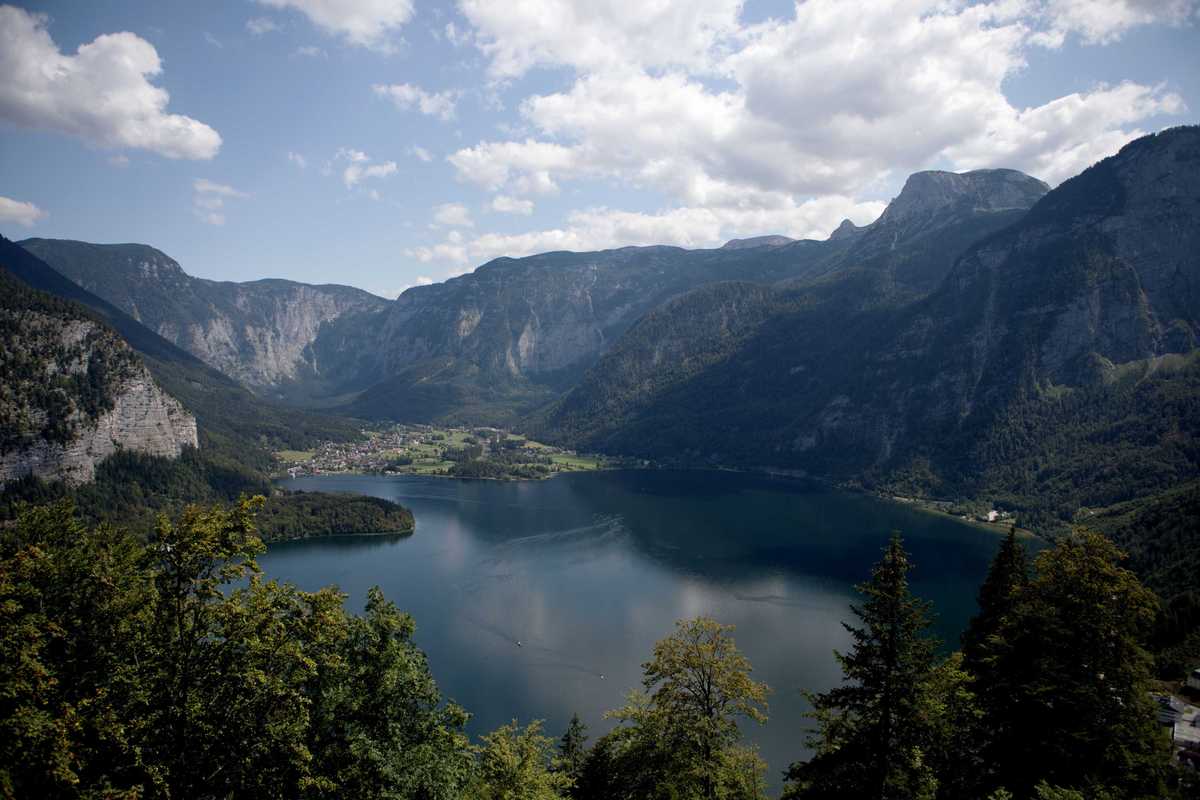 Lake Hallstatt in AustriaAlex Halada/AFP via Getty Images
The exceptionally well-preserved finds from the salt mine provide valuable insights into the economic practices and lifestyles of past societies.”
According to experts, mining salt in the area begun upon the settlement of Neolithic inhabitants above Hallstatt 7,300 years ago, from there the daily amount of salt extracted from the mountain was a whopping 1.5 tons, resulting in a record-high around 1200 B.C.E.
Given the sheer amount of mining back in them days, the mining chambers can provide insight into what that particular time period was like.
Along with the mining cavern, series of tunnels and chambers were also discovered, some that were previously unknown but were found thanks to geological drilling.
But how big were the chambers? They could reach widths up to 80 feet and heights of 65 feet as per a report by Austria Press Agency (APA).
Salt production was disrupted as time went on due to intense landslides over the centuries, but nevertheless mining still continued with Daniel Brandner, head of underground excavations from the museum’s prehistoric department, described to APA, the "very resilient community that provided salt again in a few years after these landslides.”
When it came to the excavating process, the team found debris and sediment had created a thick layer (up to 30 feet in some areas), while they also came across broken tools.
Usually mining tools of this age were standardized but this indicated a variety of tools were used in favour of experimentation as time passed.
As for artifacts, antler and stone picks were discovered in another part of the mountain that confirmed the Neolithic origins, other finds included burnt pine splinters, clothing fragments, wooden bowls with food residue, and even human waste which were all preserved by the salt that was mined.
Since archaeologists have discovered so many finds at this point in the chambers, the team seek to discover further evidence of chambers in the mining network for analysing to further understand the prehistoric and ancient mining that took place all those years ago.
Why not read...
Sign up to our free indy100 weekly newsletter
Have your say in our news democracy. Click the upvote icon at the top of the page to help raise this article through the indy100 rankings.