The Conversation (0)
De L’Europe
As a self-appointed honorary resident of Amsterdam, arriving here feels less like a trip and more like returning to a 'home away from home'. It’s only an hour away, but it does a convincing job of making you forget that.
I come here often enough to have my usual spots, my usual routines. So this time, the novelty wasn’t the city – it was where I was staying.
That said, Amsterdam has a way of reminding you why you keep coming back.
I managed to somehow get myself lost with a confident side street 'shortcut' (or so I thought), and before I knew it, two different locals stepped in to help. It's that classic Dutch hospitality that brings the city to life, something carried through the doors of De L’Europe Amsterdam.
 De L’Europe
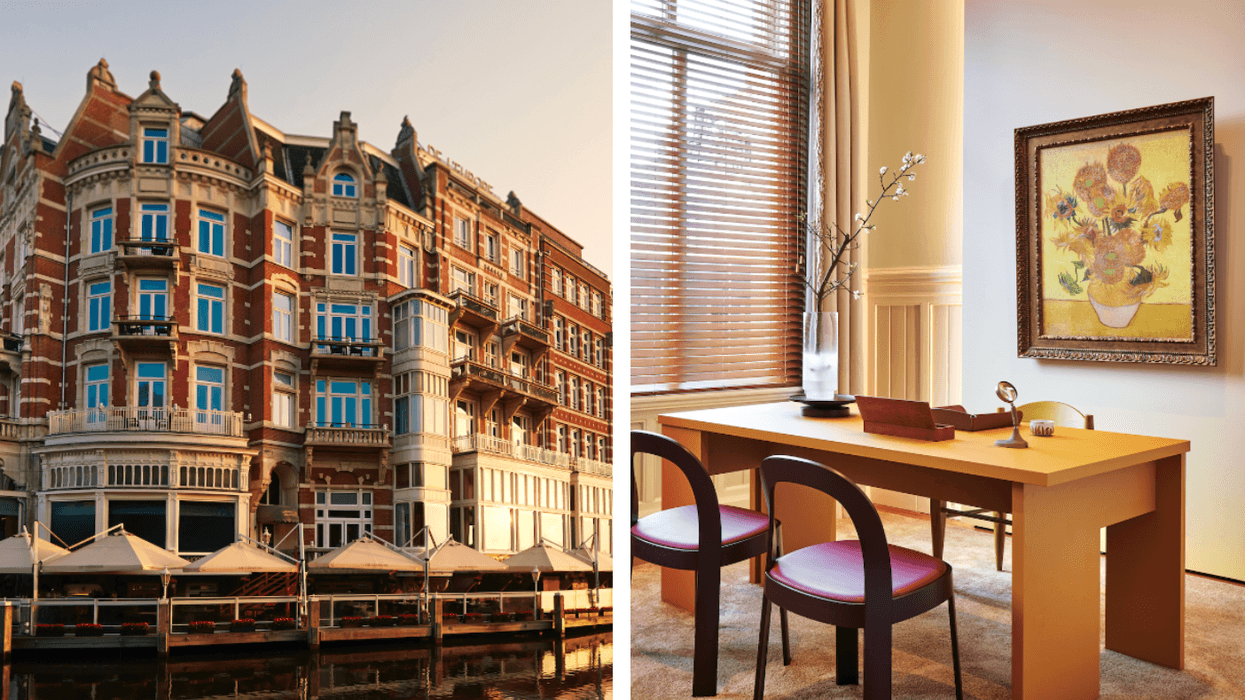
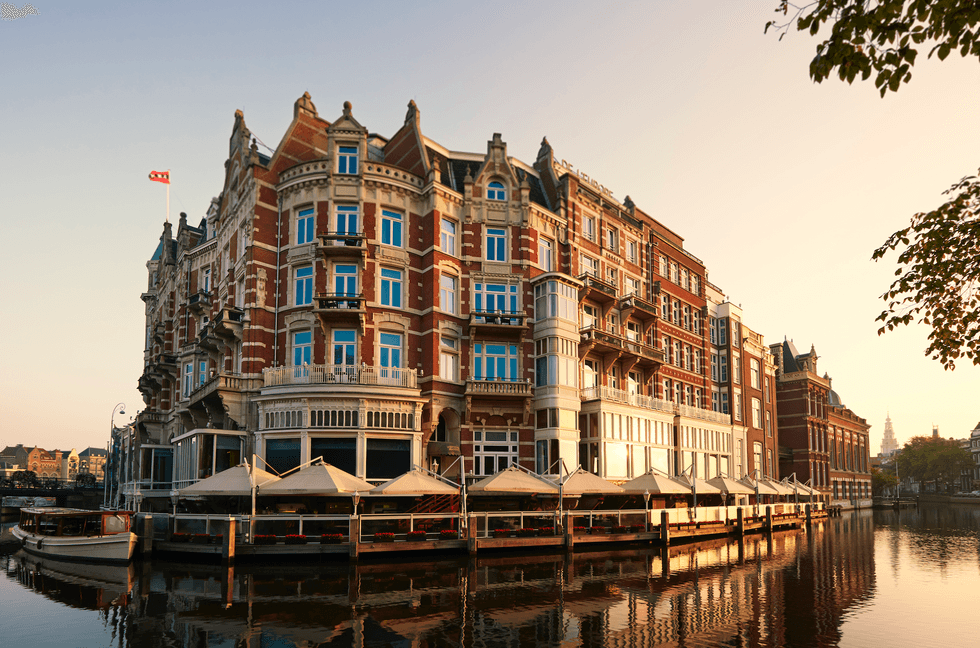
Sitting right on the Amstel, the hotel has been part of the city since 1896, making it the oldest independent hotel in Amsterdam. Over the years, it’s passed through different hands, but its most famous link is with Freddy Heineken, who helped shape not just the brand, but much of the hotel’s character. The hotel has also been left in his will to never be sold, preserving its independence for generations to come.
There’s even a story (half myth, half legend) that he once forgot his wife’s birthday and made up for it by gifting her the hotel. Excessive, yes. But also quite on brand, and you feel that legacy almost immediately.
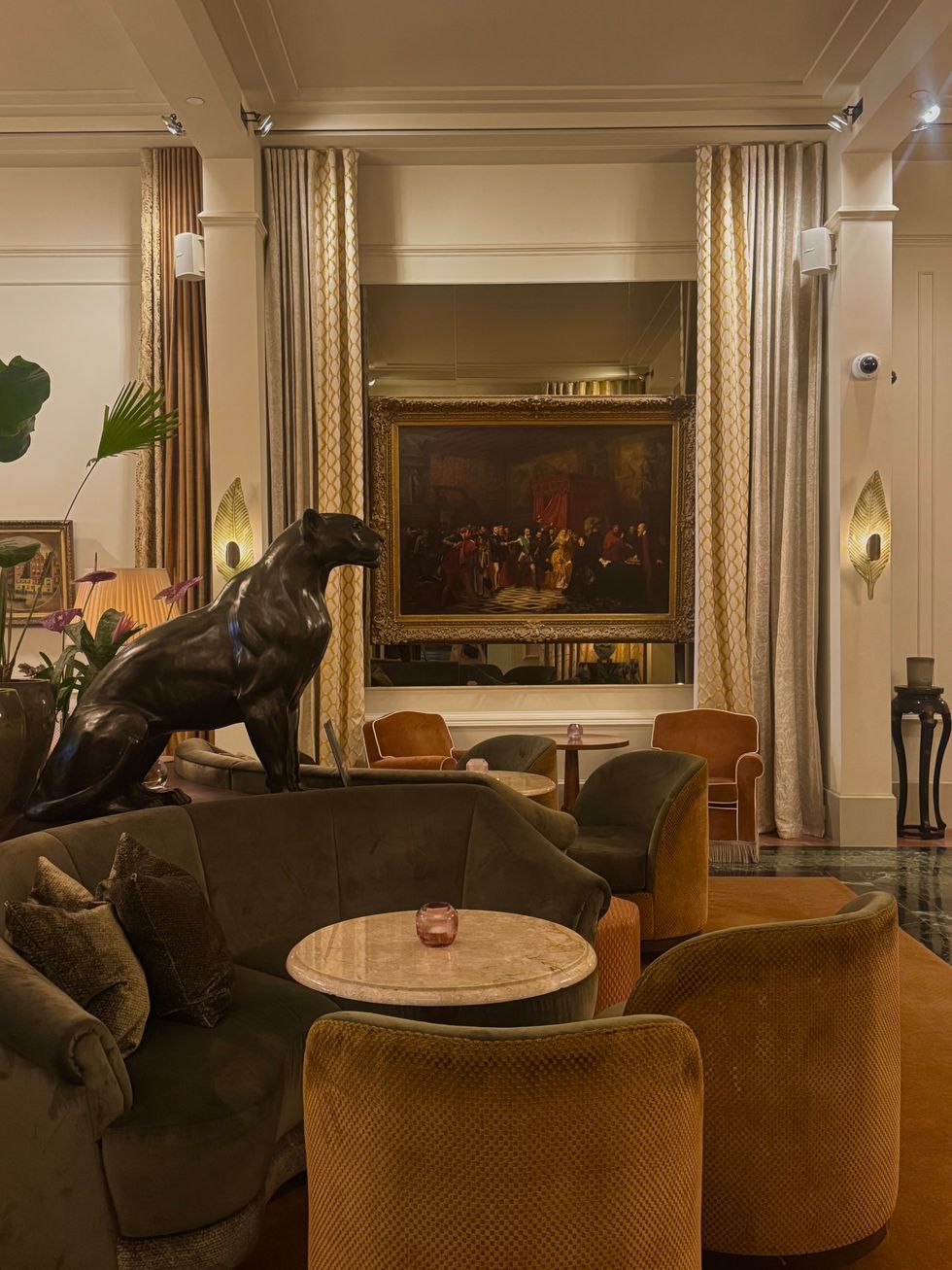
The entrance is unapologetically grand. High ceilings and walls lined with historic paintings, and a sculptural jaguar that feels like it should have a backstory of its own. And apparently so. The sculpture, I'm told, marks the hotel's partnership with the Black Jaguar Foundation, a non-profit working to restore the Amazon rainforest and the Cerrado savanna in Brazil.
It would be easy for it to veer into intimidating territory, but it never quite gets there. Before I’ve had a chance to take much in, I’m greeted with a glass of champagne in hand, and I’m mid-conversation with the receptionists.
 Becca Monaghan
Check-in soon becomes irrelevant, which is ironic considering the first thing anyone wants to do is get to their room immediately to unwind and unpack (myself included), but I find myself actually wanting to stay. One of the receptionists is telling me about her annual family road trips around the UK – Cornwall being a firm favourite – as we detour into Manchester recommendations.
In most hotels, there’s a generic rhythm to these interactions: polished, formal, and without sounding harsh, slightly forgettable. Here, they linger, but not in an overbearing way.
Staff members mention, almost in passing, that they’ve worked here for years. Not months, years. And they say it with such pride.
Later, on the way to lunch, I bump into one of the hosts who’s heading to a staff brunch on the terrace with the general manager. It's something I'm told happens every month, bringing together all of the staff for informal business updates and an opportunity to raise any queries over a spread of food and drinks. Such a small but wholesome detail, but equally refreshing to see a company that truly cares and values its staff, not just the guests.
The hotel itself has evolved in the same way. Recently reimagined, it now leans heavily into art and fashion with its new ‘t Huys suites, without losing the history that makes it what it is. Rich materials, warm tones, antiques and bespoke pieces run throughout, giving a sense of heritage without feeling stuck in it. In the ‘t Huys wing, each suite has been designed in collaboration with local creatives, meaning no two are the same.
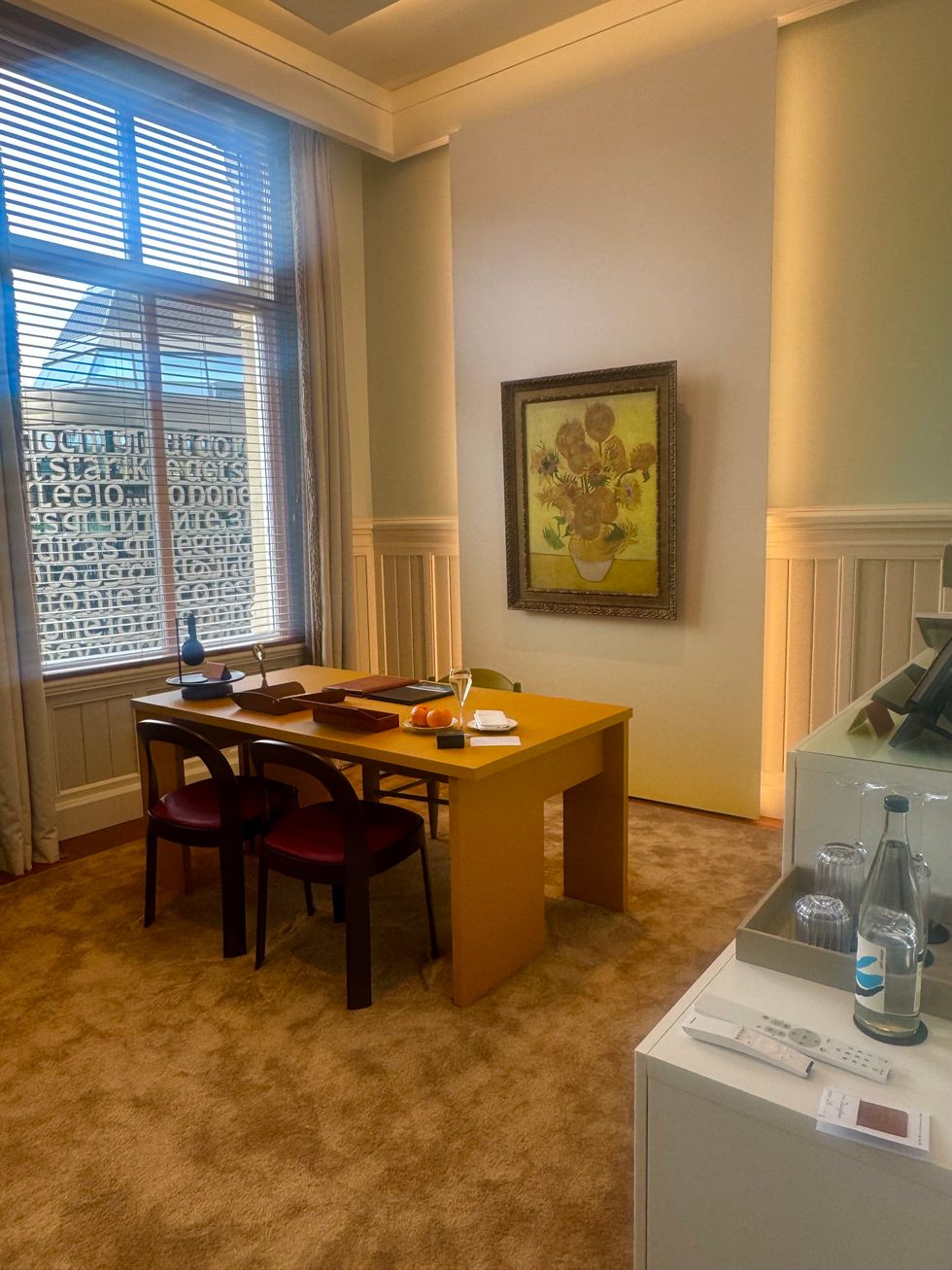
I stayed in the Van Gogh Museum Suite, which could easily have tipped into gimmick territory, but it’s far from. Instead, it feels like stepping into a version of Vincent van Gogh’s world that’s been carefully translated for modern living.
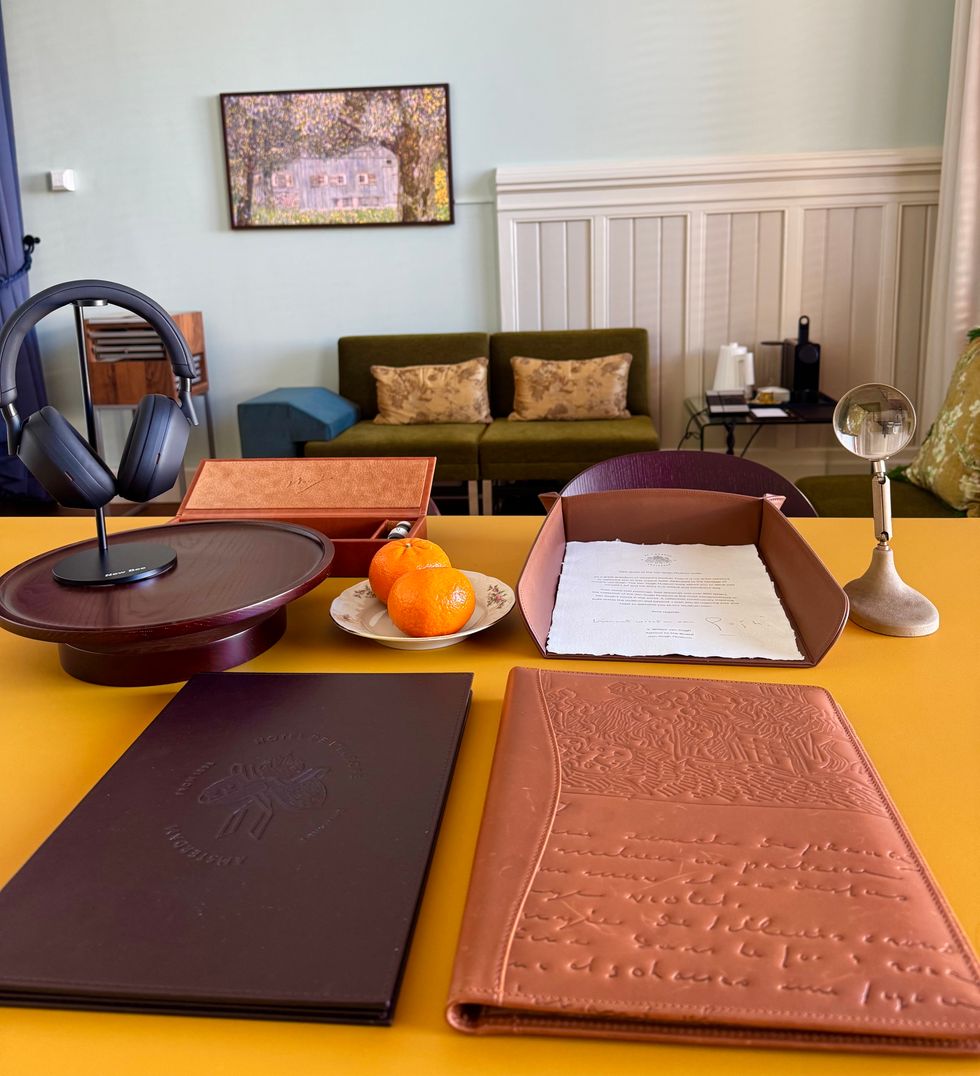
On arrival, there’s a letter waiting on the desk from Willem van Gogh, the great-grandson of Vincent’s brother Theo, and an advisor to the board at the Van Gogh Museum.
 Becca Monaghan
The focal point of the room is, of course, the artwork.
A painted interpretation of Van Gogh’s Sunflowers series, originally created in the late 1880s while he was living in Arles, is hanging on the wall. But it’s not fixed, it can be switched out depending on preference, and for longer stays, guests can experience different works throughout their time in the suite.
Up close, the brushstrokes are raised, designed so they can be felt as well as seen – a detail created with visually impaired guests in mind, but one that adds another layer to the experience regardless.
 Becca Monaghan
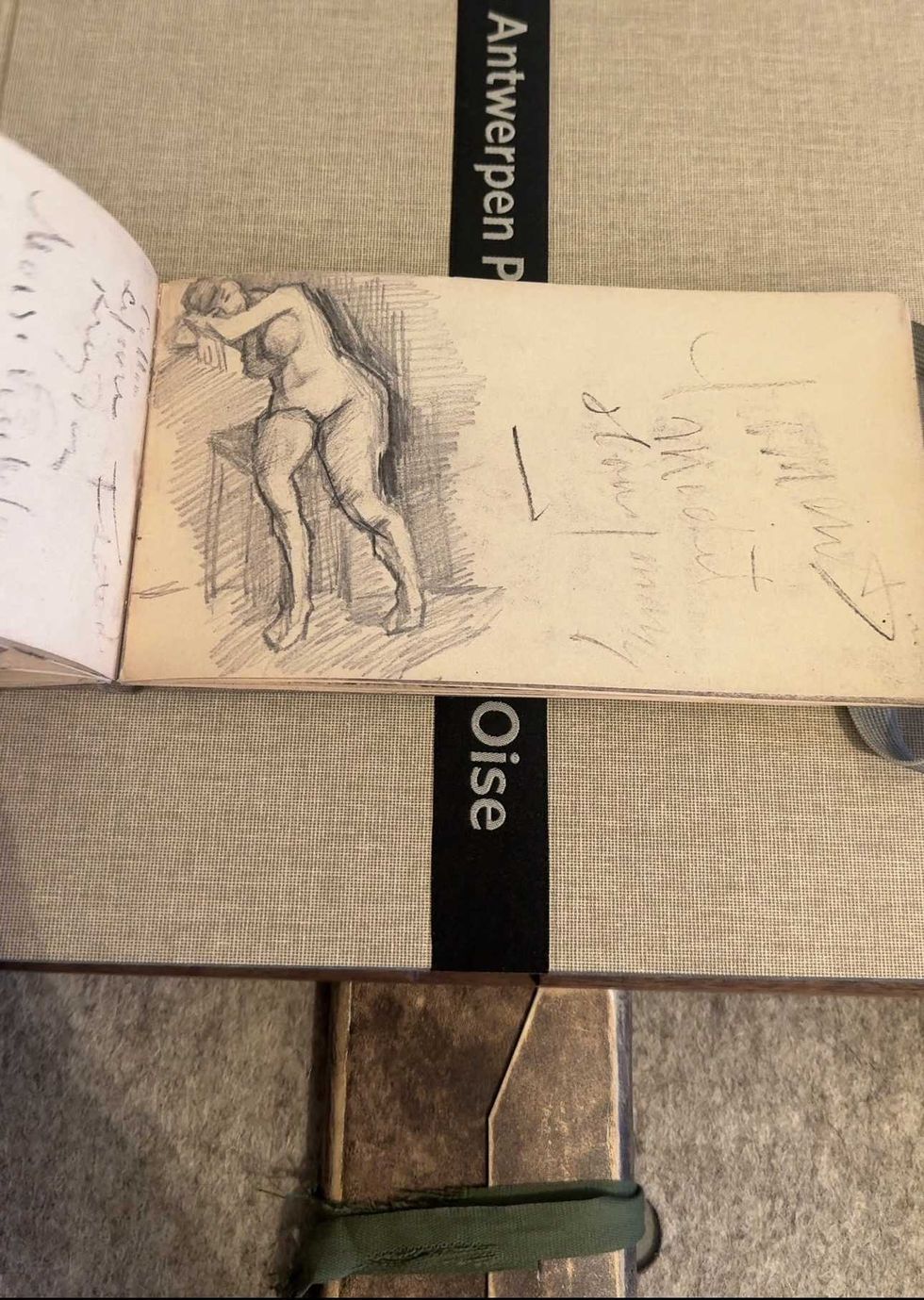
The sketchbooks have to be a standout, and a unique one at that. We're not talking decorative props, but something you’re encouraged to actually sit with. The books heavily replicate Van Gogh’s originals, down to the imperfections, including the exact pages he tore out.
There are letters and other artefacts dotted around, each paired with QR codes that bring in a digital layer, alongside headphones on the desk playing Van Gogh-inspired audio. It’s immersive without feeling suffocating, and I find myself spending far longer than expected delving through it all with my glass of Chocomel.
There’s also a practical perk: VIP access to the Van Gogh Museum, which, if you’ve ever seen the queue in spring or summer, feels less like a luxury and more like a necessity.
 Becca Monaghan
Only after all of that do I properly clock the TV, fittingly disguised as a painting. Convincingly enough, I walk past it multiple times before spotting the remote and realising it’s actually a Samsung Frame. Slightly humbling, considering a large portion of my former job was writing about Samsung technology on a day-to-day basis.
At night, the room shifts again, with the turndown service feeling considered rather than routine.
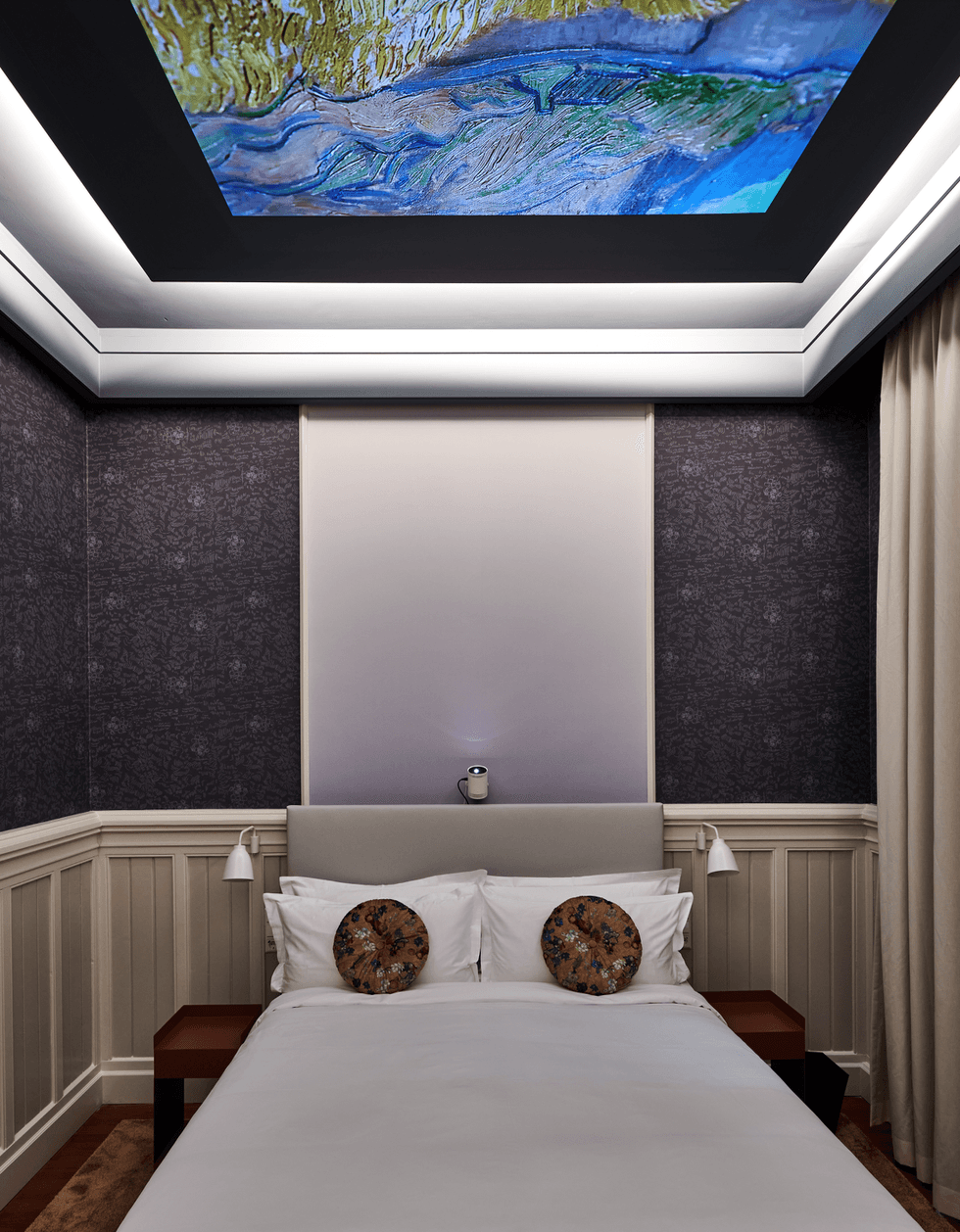
Above the bed, a projector plays a looping Van Gogh montage which, depending on your mood, very quickly turns into late-night Netflix and snacks in bed – because after all, balance is important and something we'll touch on later at Freddy's Bar.
 De L’Europe
It’s hard to talk about De L’Europe without talking about the food – more specifically, the fact that the establishment houses several on-site bars and restaurants. There’s Flore, a Michelin-star fine dining experience; Trattoria Graziella, an authentic Italian restaurant; Freddy’s Bar; speakeasy Chapter 1896; and the French brasserie, Marie.
At Marie Restaurant, I arrive on the first day the terrace opens and, as an avid terrace lover regardless of the weather, this was a big win. Set along the Amstel, the restaurant brings a modern take on a classic Parisian brasserie: elegance without stiffness.
Which is exactly where my internal debate over ordering fries begins. The waitress shuts that down quickly. It’s Amsterdam, she tells me: fries with everything. Something I’m very much on board with.
I order them alongside langoustines – buttery, bright with lemon, and far better than I’d anticipated, given my usual hesitation with seafood.
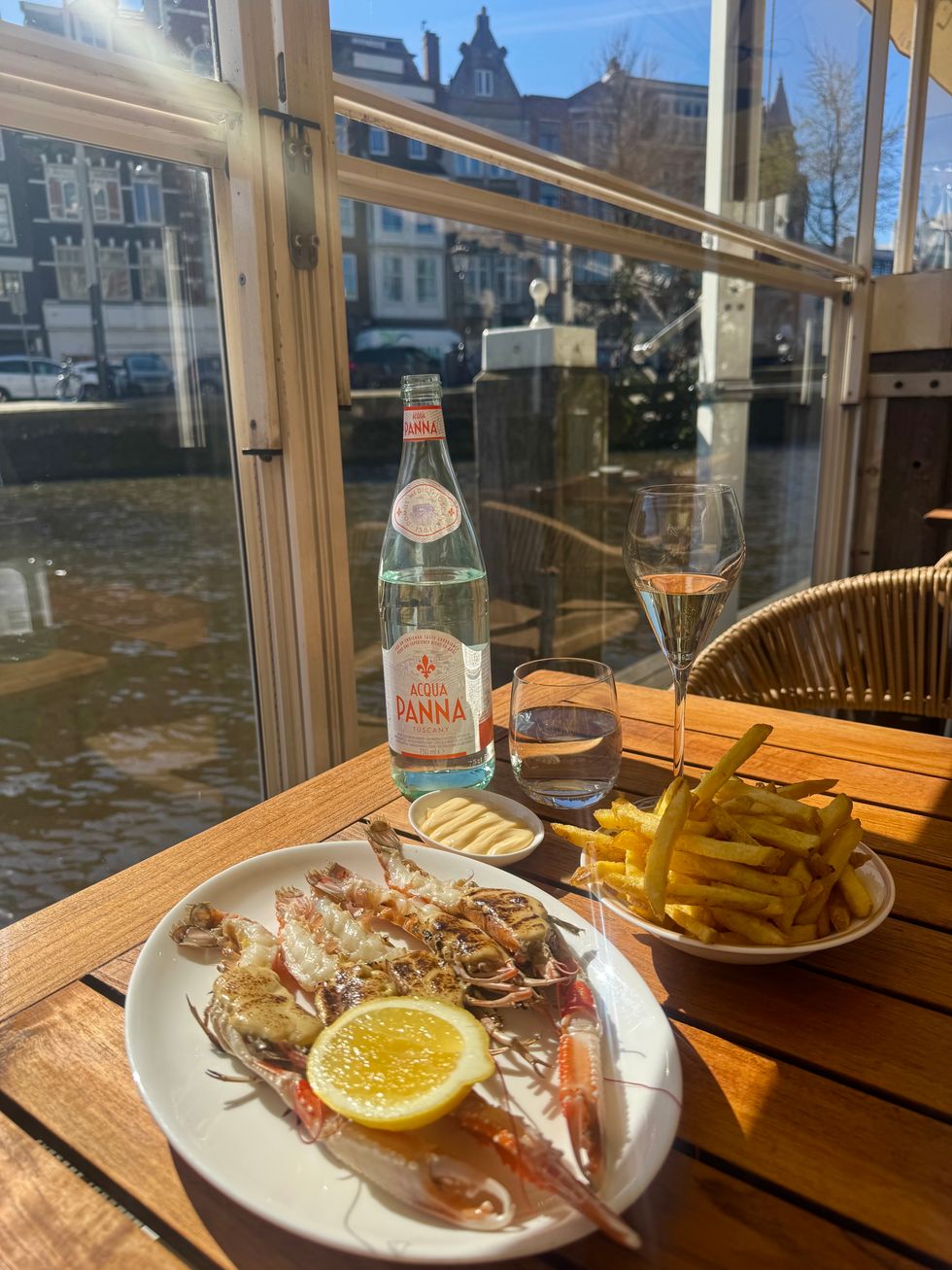 Becca Monaghan
Later, at Freddy's Bar, I made the classic declaration of saying I’ll only have one drink.
The bar itself is low-lit and intimate, designed to echo a traditional gentleman’s club. This is where Freddy Heineken spent much of his time for meetings and social events. You can feel that history in the room. Old photographs line the walls, and a large marble table sits at the centre, scattered with carefully placed games and magazines for all to enjoy.
In one corner, there’s an artwork made entirely from Heineken bottles – a nod to Freddy's early idea of repurposing glass into building materials, part of his 1960s concept of turning Heineken bottles into stackable “bricks” (the WOBO bottle), designed to help tackle both waste and housing shortages.
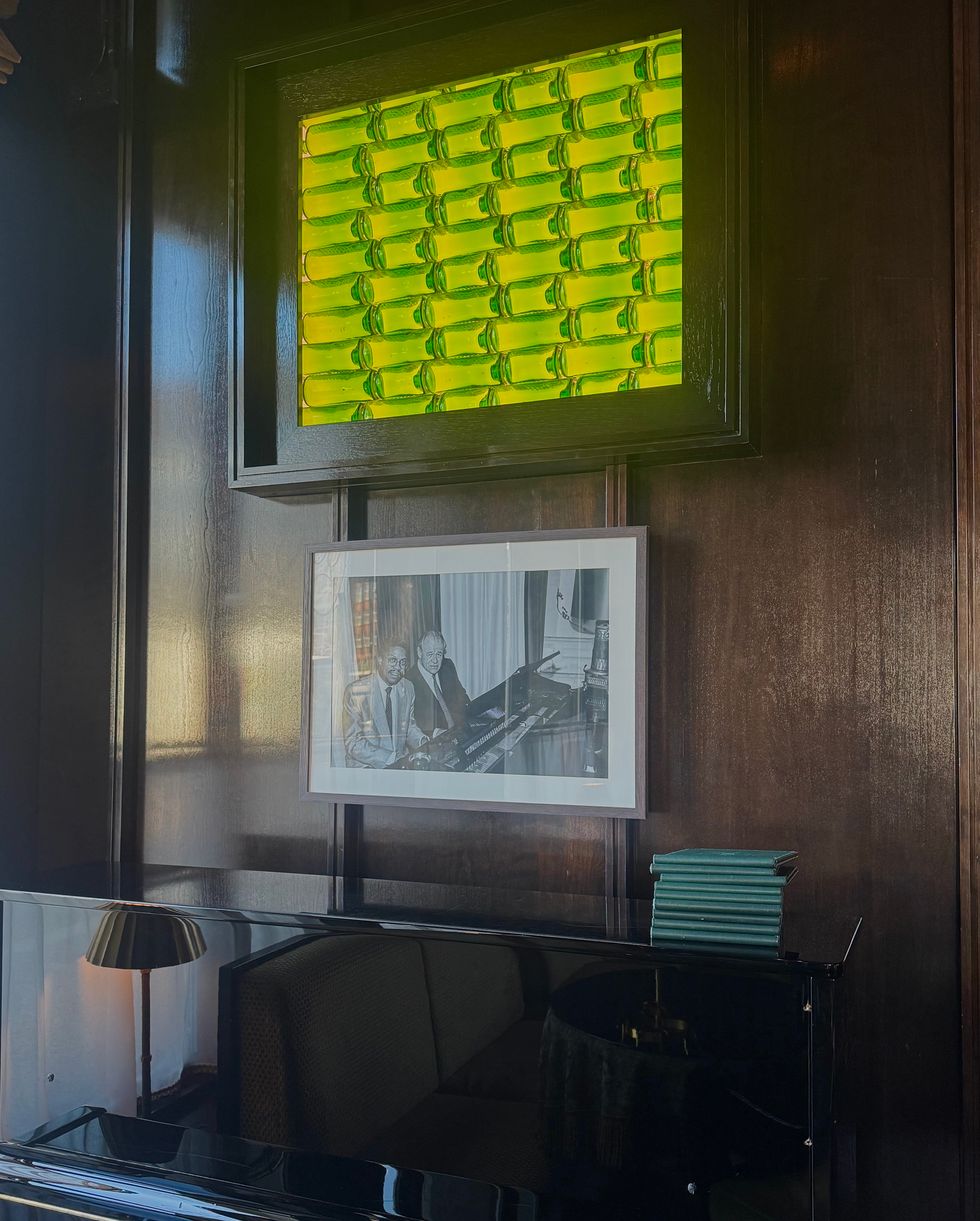 Becca Monaghan
I settle into a corner with a glass of Ruinart and fully intend to leave it there. The bartender has other plans.
“You’re technically on holiday,” he reminds me, which feels like a fair argument. One glass becomes two, then three, each accompanied by stories about the bar, the hotel, and Freddy himself.
It's worth noting that both the bar and Marie are open to the public with a steady mix of hotel guests and locals who clearly treat this as a regular spot.
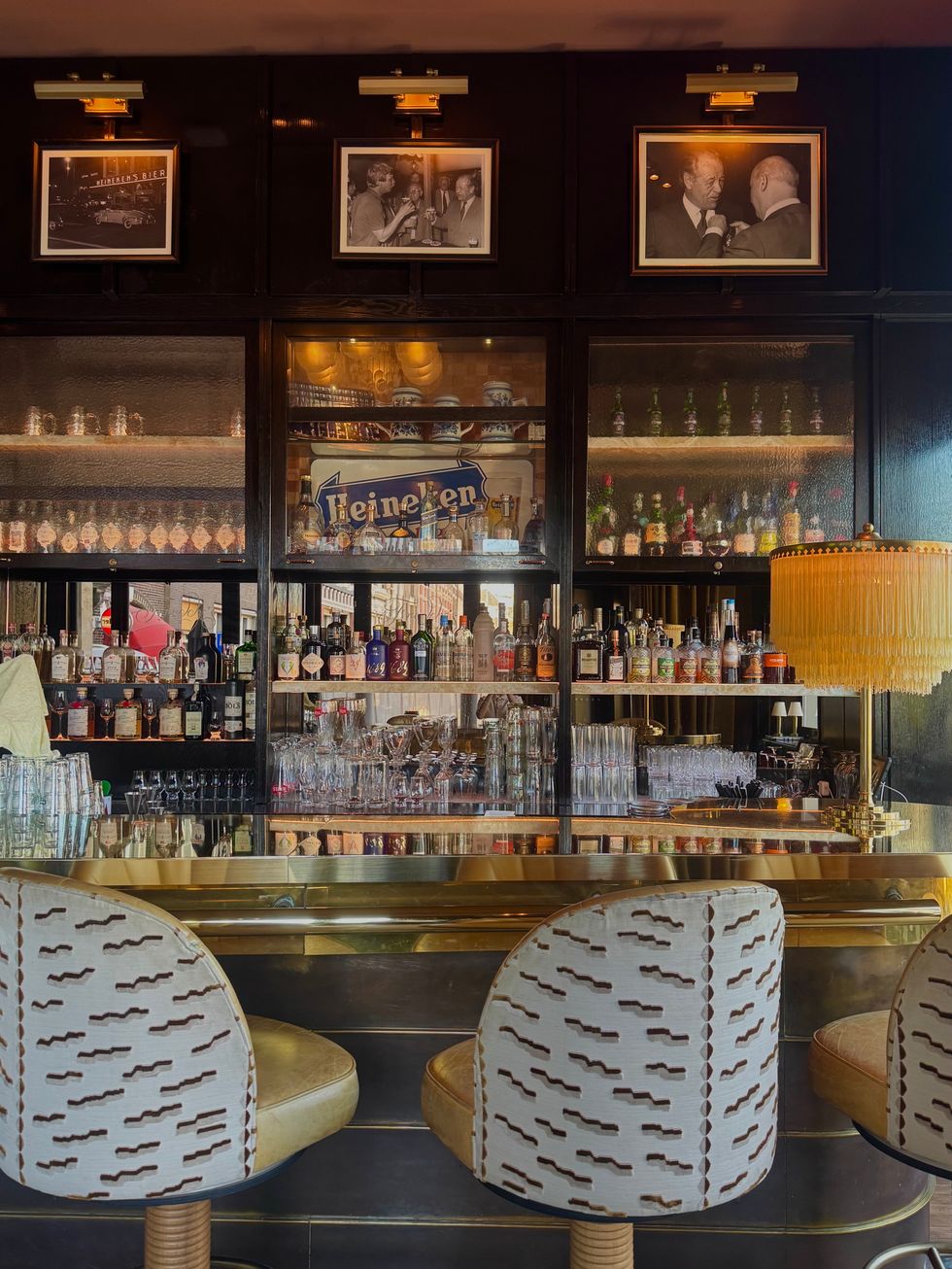 Becca Monaghan
By the time I head back to my room, slightly tipsy and entirely content with that decision, the hotel feels different again. Quieter, softer, but still very much alive.
And that’s the thing about De L’Europe.
Yes, it’s beautiful. Yes, it’s historic. And yes, the Van Gogh Suite is one of the more interesting places you can spend a night in Amsterdam. But what actually stays with you is harder to pin down.
It’s the conversations that run longer than expected. The staff who clearly aren’t in a rush to leave anytime soon. The feeling that, even when travelling solo; you’re safe, well looked after, and not really on your own.
Amsterdam has never struggled to get attention. But places like this remind you there’s more to it than the obvious.
You just have to know where to look.
How to join the indy100's free WhatsApp channel
Sign up for our free Indy100 weekly newsletter
Have your say in our news democracy. Click the upvote icon at the top of the page to help raise this article through the indy100 rankings.
Top 100