
The Conversation (0)
Is It Better To Sleep With An Eye Mask?
unbranded - Lifestyle / VideoElephant
To say we're influenced by social media is an understatement.
Whatever our favourite celebrities are using, we'll sell it out, and if they're done gatekeeping it on the feed, we are too.
It's these trend cycles that have led us to major beauty breakthroughs including polynucleotides (or, salmon sperm), Korean beauty, and even transformative laser therapies that pack a punch where treatments before them never could.
But, as with every trend, things move pretty fast - and now the internet has its eye on a treatment loved by the likes of Kim Kardashian and Jennifer Aniston.
Searches for "exosomes treatment" have hit their highest level on record, and the treatment is now well into the millions when it comes to views.
 iStock
The promising treatment delivers on results, too, particularly in a world where choice is plentiful and patients want minimal downtime.
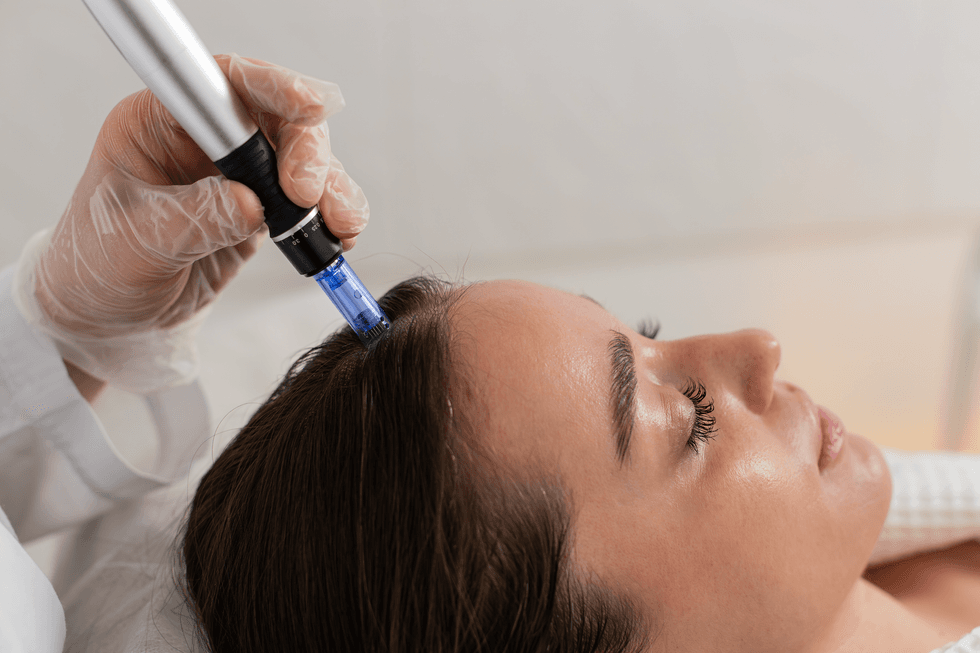
It's a serum-based regenerative therapy often used in conjunction with microneedling or laser therapy in a clinical setting, and can help with cell turnover (in turn softening fine lines and wrinkles), targets scarring, and even help with hair thinning.
More scientifically, exosomes deliver growth factors and signalling molecules directly to skin cells, encouraging your body to work harder.
It's popping up in skincare too, as beauty lovers officially embark on their quest for a summer glow (albeit, more diluted than what a doctor would use).
"I cant believe that my skin is better at my 40s than was at my 20s", one person says in a TikTok anecdote after getting the treatment.
Another vowed that the treatment was about to "blow the f*** up" this year.
However, as we well know, demand for such treatments sets the stage for a saturated market that can often be unregulated - and frankly, dangerous.
 iStock
According to YouGov, 17 per cent of adults say they trust the safety of cosmetic treatments more than they used to, and while regulation has barely taken a step forward, our obsession with aesthetics has only grown.
Dr Baldeep Farmah, a qualified medical doctor and founder of Dr Aesthetica, runs a CQC-registered, doctor-led aesthetic clinic, and is driving the conversation around safety in skin treatments.
"There is a clean version of this treatment and a contaminated, illegal version, and most patients can't tell the difference," said Dr Farmah of the big exosome shift. "That's the gap I want to close."
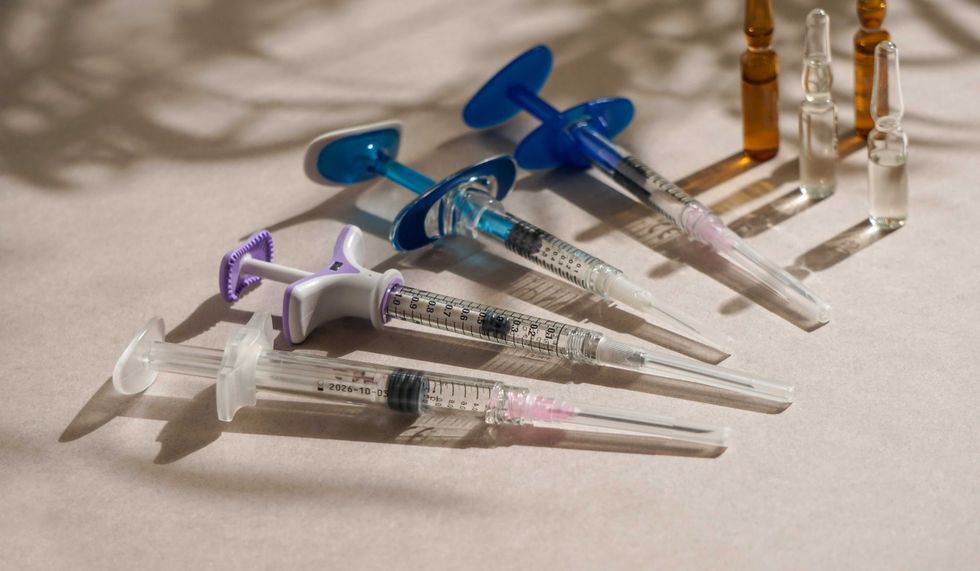
Injected exosomes are classed as medicinal products by the MHRA, and human-tissue ingredients are banned outright in any cosmetic product sold in Great Britain. The US position lands in the same place via a different route: the FDA classifies exosome products as drugs and biologics that require premarket approval, and there are no FDA-approved exosome products of any kind.
Despite this, "FDA-approved" and "EU-compliant" are routinely used as selling phrases on UK clinic sites, and a recent investigation found that around 1 in 5 high-street clinics were using exosome products derived from human umbilical cord blood or liposuction fat.
 iStock
Dr Farmah shares the questions everyone should be asking before booking this kind of treatment:
1. Ask for the full product name and manufacturer
A clinic that hides behind phrases like "regenerative blend" or "growth factor mix" is the clearest warning sign. The word "exosome" on its own tells a patient nothing. Independent testing of products marketed as exosomes has found that 95 per cent did not even meet the basic structural definition of a functional exosome, with many broken or contaminated. Get a brand name, manufacturer, and ingredient list in writing.
"When clinics use the word 'exosome', they're using it like a category," said Dr Farmah. "It tells you nothing about the source, the manufacturer, or the licence. Always ask for the brand name."
2. Check that the product is licensed in the UK
Not "FDA-approved". Not "EU compliant". Not "ATMP-certified" on a foreign supplier site. UK aesthetic licensing is the only thing that matters when the needle goes into your skin. Manufacturing standards in another country are not the same as a UK regulator clearing a product for use here, and any clinic that confuses the two is doing it on purpose.
3. Ask whether it is human-derived, animal-derived, or synthetic
What's legal in the UK depends on how a product is delivered, not just where it came from. Salmon-derived exosomes are legal when applied topically, typically after microneedling, and are classified as cosmetics (this doesn't include polynucleotides, which are totally separate).
Injecting an exosome of any source, human, salmon, or synthetic, is not legal in the UK, and any cosmetic made from human cells or tissue is banned outright on top of that. Some UK clinics have been caught using treatments made from human umbilical cord blood or fluid derived from human stem cells, often described to patients in vague language that obscures what they actually are.
"Salmon-derived polynucleotides are a genuinely useful, regulated treatment," Dr Farmah notes. "The salmon part is the boring, legal, evidence-supported part. The human-cell part is the part that breaks the law."
4. Verify the practitioner and the clinic
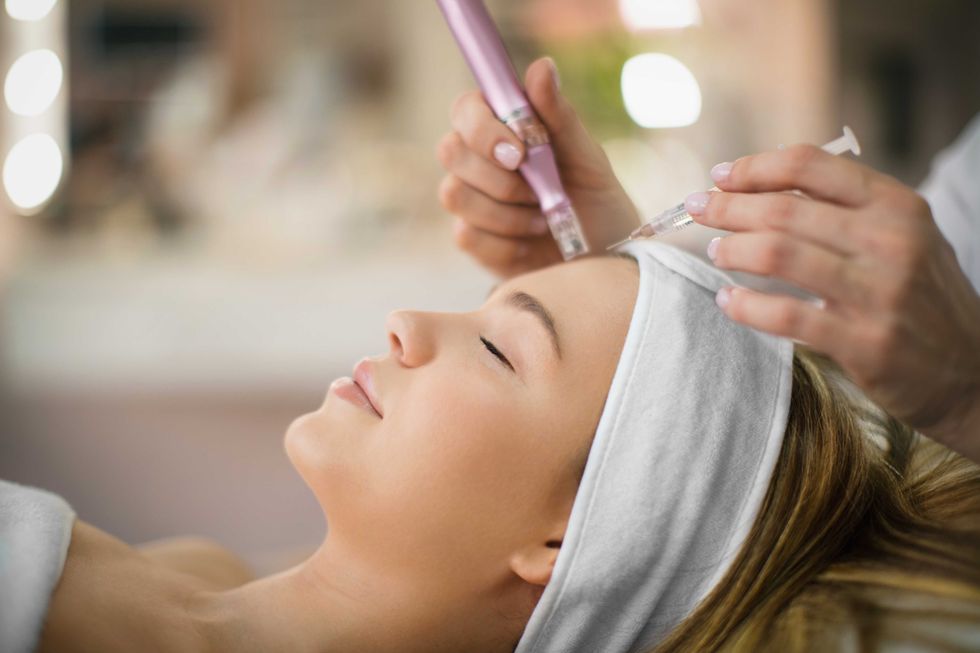
Most UK practitioners administering injectables are not medical doctors, despite the medical-sounding language in clinic marketing. The person putting a needle into your face should be GMC-registered, and the clinic itself should be CQC-registered for high-risk cosmetic procedures. Ask to see both, in writing. If the clinic can't or won't prove it, that's your answer.
5. Ask what happens if something goes wrong
A clinic that can't give you a named medical lead and a written plan for adverse reactions is one to walk out of. A reputable doctor-led clinic will hand you an aftercare and escalation document at the time of consent, and many will tell you which hospital they partner with for emergencies.
If you can't get a clear, written answer to the five questions above, the safest treatment is the one you don't have. Anyone already concerned about a treatment they've had should speak to their GP and report the clinic to the JCCP or local Trading Standards.
"If you remember one thing from this, it's that 'exosome' on a clinic menu doesn't mean what most people think it means," said Dr Farmah. "Ask for the brand name, ask for the licence, and don't let anyone make you feel awkward for asking."
Why not read...
Top 100