The Conversation (0)

How To Sync Your Workouts To Your Menstrual Cycle
Pexels
Women's health has entered a new era of self-awareness. From cycle tracking apps to hormone-focused wellness trends, we're paying closer attention to our bodies than ever before. But, while that knowledge is undeniably empowering, it also means we're increasingly conscious of every symptom, every mood change and every hormonal ebb and flow that comes our way.
And, perhaps nowhere is that heightened awareness more evident than in our growing fascination with the menstrual cycle. Once confined to doctors' surgeries and biology classrooms, its many phases are now dissected in detail across social media feeds, and podcasts.
Spend five minutes on TikTok and you'll find videos like: "Me every time I'm in my follicular phase," paired with a clip of Paris Hilton playfully branding everyone "beautiful" and "princesses".
Another jokes: "When you're ovulating and feel absolutely feral," proving that, when it comes to talking about hormonal health, taboos are quickly becoming a thing of the past.
 Pexels
However, it's the luteal phase that's currently commanding much of the conversation. The stage between ovulation and the start of a period has become the latest focus of cycle discourse - and, this time, not necessarily for the right reasons.
In fact, the conversation has grown so pervasive that it has begun spilling beyond the sacred walls of group chats and into mainstream headlines.
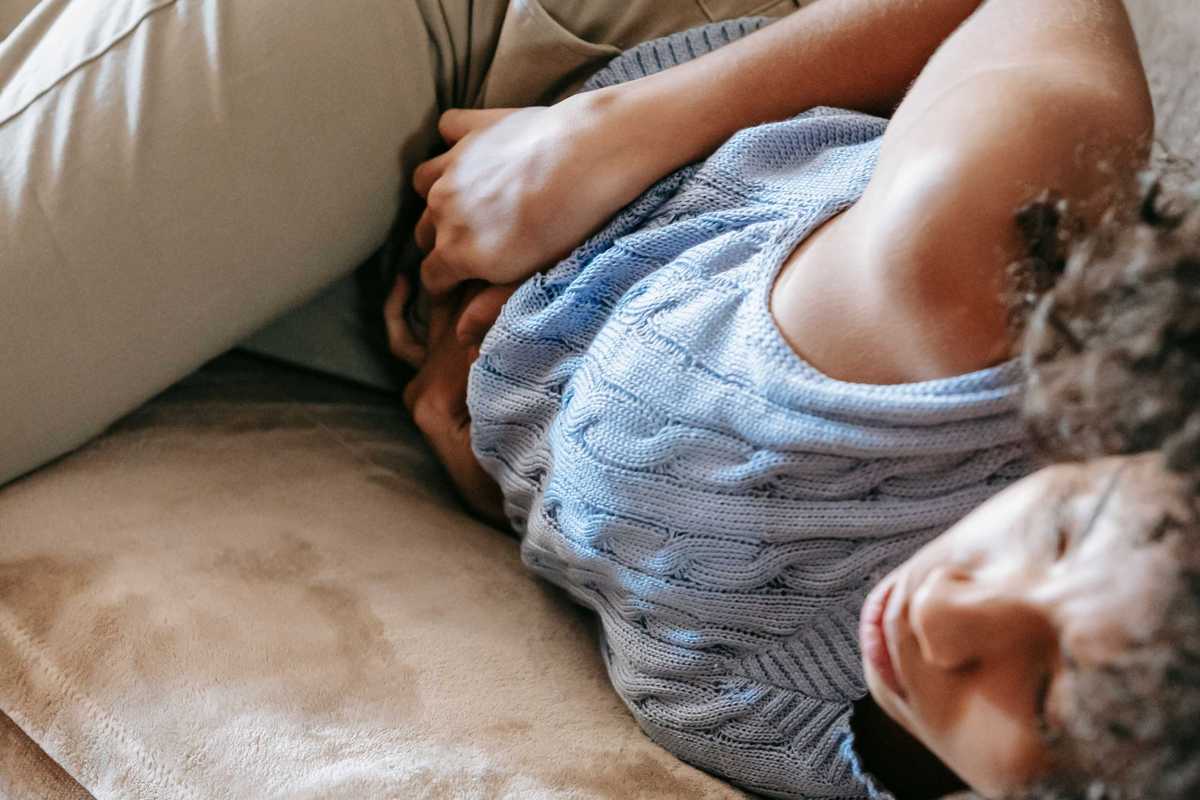
Typically spanning days 15 to 28 of the menstrual cycle, the luteal phase is one many women will recognise all too well - even if they've never had a name for it. It's the time when bloating sets in, breakouts appear seemingly overnight, sleep becomes more elusive, and emotions can feel noticeably harder to regulate. For years, many have simply dismissed it as an inevitable part of having a period.
But there's actually a lot more to it.
More so, social media has now coined the term 'luteal uglies', used to describe the experience of feeling less attractive, less confident or more critical of your appearance during that time.
While it feels playful, it's a very real thing, and for many women, is the source of discomfort far beyond physical feelings; but a mental toll too.
"Although it is not a recognised medical diagnosis, it reflects a very real experience that many women report", Dr Suzanne Wylie, GP and medical adviser for IQDoctor tells me.
 Pexels
"These feelings are thought to occur because of the normal hormonal fluctuations that happen during this stage of the cycle, rather than any significant change in physical appearance.
"As progesterone rises after ovulation and then both progesterone and oestrogen begin to fall before menstruation, many women report feeling more tired, emotionally sensitive, less confident and less motivated."
We spoke to a number of women about their own experiences, too.
"I get really bad bloating, really bad cramps a few days before my period and really bad headaches as well - I quite often can’t sleep”, Daisy, 30, tells me, noting that she'd often be left with heightened anxiety during that time.
“We definitely need better support because every time you go to the doctor about your period they just look at the whole thing and not the different phases of it", she adds.
Masiha is 31 and diagnosed with polyendocrine metabolic ovarian syndrome (better known as PMOS).
While the condition, which affects one in ten women, is now characterised as a metabolic one, it can have reproductive symptoms.
She says that her luteal phase can feel particularly taxing because of the irregularity of periods that the condition brings, and the feelings can often last months.
"My luteal phases are characterised with low mood, loss of libido, lack of motivation, and depression-like symptoms, with some degree of social anxiety and need to withdraw", she says.
"Engaging in life feels heavy and meaningless and it's almost like I'm just waiting for my period so my brain can bring me a new flush of hormones."
 Masiha Shabeer
She adds: "I'm a psychotherapist and see my clients online, it's so important for me to be well regulated for my job. The luteal phase poses such a risk to that, thankfully with years of practice and a good support system in my partner and friends I manage to stay grounded."
Now, she's also calling for better support from doctors for women struggling with the symptoms - particularly as there's no cure for PMOS.
"I think a lot of people are simply trying to make money off women with PMOS, with fancy supplements offering a one-size fix or a magic pill", she continues.
"A program for women with PMOS which focuses on emotional regulation, movement and mental health support, offered by the NHS would be so great and help women be less miserable, depressed and better manage their pain."
Becca, 31, echoes a similar story.
"All of my existential crises seem to happen during my luteal phase", she notes.
"The gym and Pilates gets completely thrown out the window because I just don’t want to face the world in any shape or form.
"Walks have certainly helped, but are often accompanied with a heartbreak playlist - even though I'm not heartbroken - because it's an emotional rollercoaster."
She adds: "I think the bigger conversation is the mental health side of it. My anxiety and emotions feel so much more intense – which certainly doesn't help or soothe the way I'm feeling. I become far more sensitive, which is funny because I’m not someone who gets triggered easily."
Layla, 27, describes herself as "a very happy-go-lucky person". But for five to seven days before her period, she says, her mood plummets.
 Layla Turner
"I feel trapped in a dark place until my period comes," she says, adding that she also experiences physical symptoms including bloating and greasier hair.
"When it's finally over, I feel like a weight has been lifted - like the fog clears."
Layla is among the estimated five per cent of women thought to experience Premenstrual Dysphoric Disorder (PMDD), a severe form of the symptoms experienced during the luteal phase.
She says it could take up to two years to receive a diagnosis, after initially feeling her concerns were dismissed.
"I went to the doctors once before and they just put me on antidepressants," she recalls. "There needs to be more research into why it happens."
Studies have shown that women in general experience increased emotional sensitivity, greater body dissatisfaction, and lower self-esteem during the late luteal phase, compared with other points in their cycle.
"It is encouraging that more women are talking openly about these experiences because it helps to normalise something that many have experienced for years but perhaps felt unable to discuss", Dr Suzanne continues.
 Pexels
"At the same time, it is important to remember that social media can sometimes reinforce the idea that women should feel their best every day of the month, when in reality energy levels, mood and confidence naturally fluctuate across the menstrual cycle."
She adds: "If someone is experiencing these feelings, one of the most helpful pieces of advice is to be kind to themselves during this stage of the cycle rather than expecting themselves to perform at exactly the same level every day.
"Prioritising good quality sleep, eating regular balanced meals, staying well hydrated and keeping physically active, even if that is just a gentle walk rather than an intense workout, can make a noticeable difference to both mood and energy levels.
"It can also help to limit alcohol, manage stress where possible and recognise that the negative thoughts about appearance that can occur before a period are often temporary and linked to hormonal changes rather than an accurate reflection of how they actually look."
Why not read...
I’ve spent 6 months perfecting my seasonal hair shedding routine - here’s what actually works
Blue Zones: 5 key foods eaten by Okinawans for longevity to add to your diet
Sign up for our free Indy100 weekly newsletter
Top 100