The Conversation (0)
SpaceX Rocket Will Hit Moon
The Weather Channel - Vertical / VideoElephant
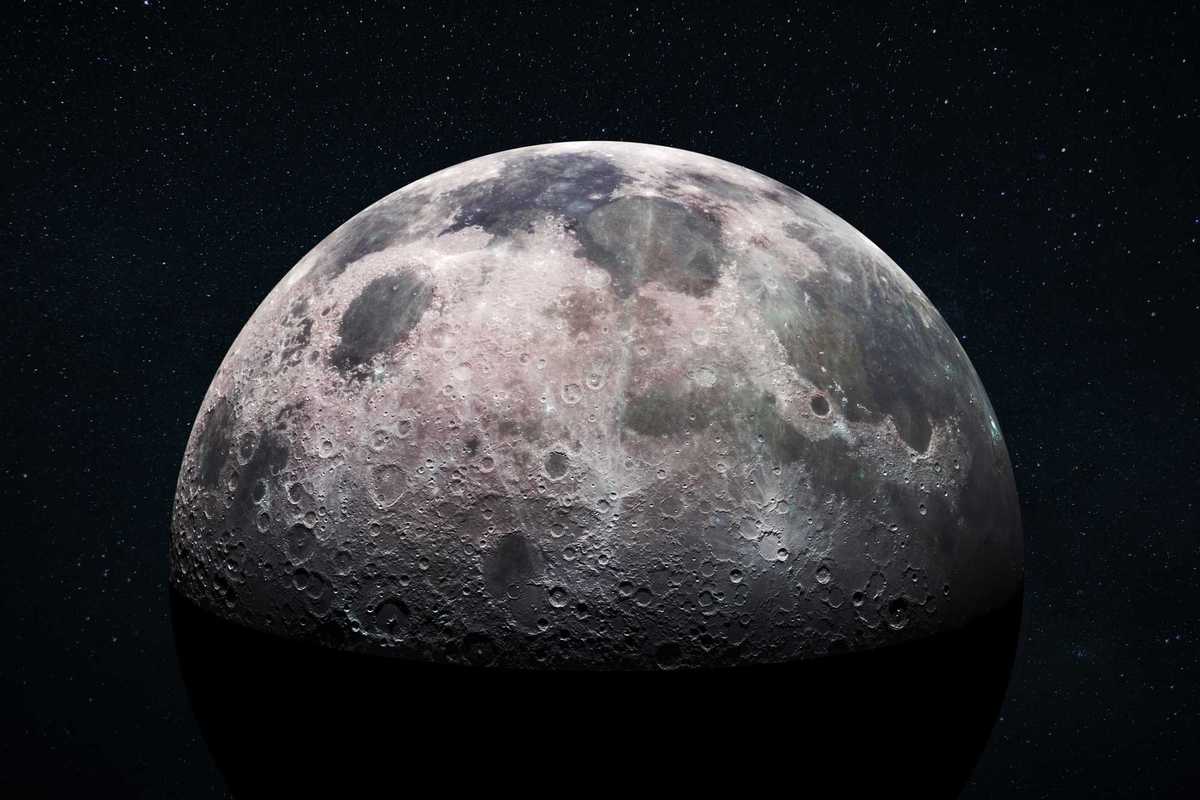
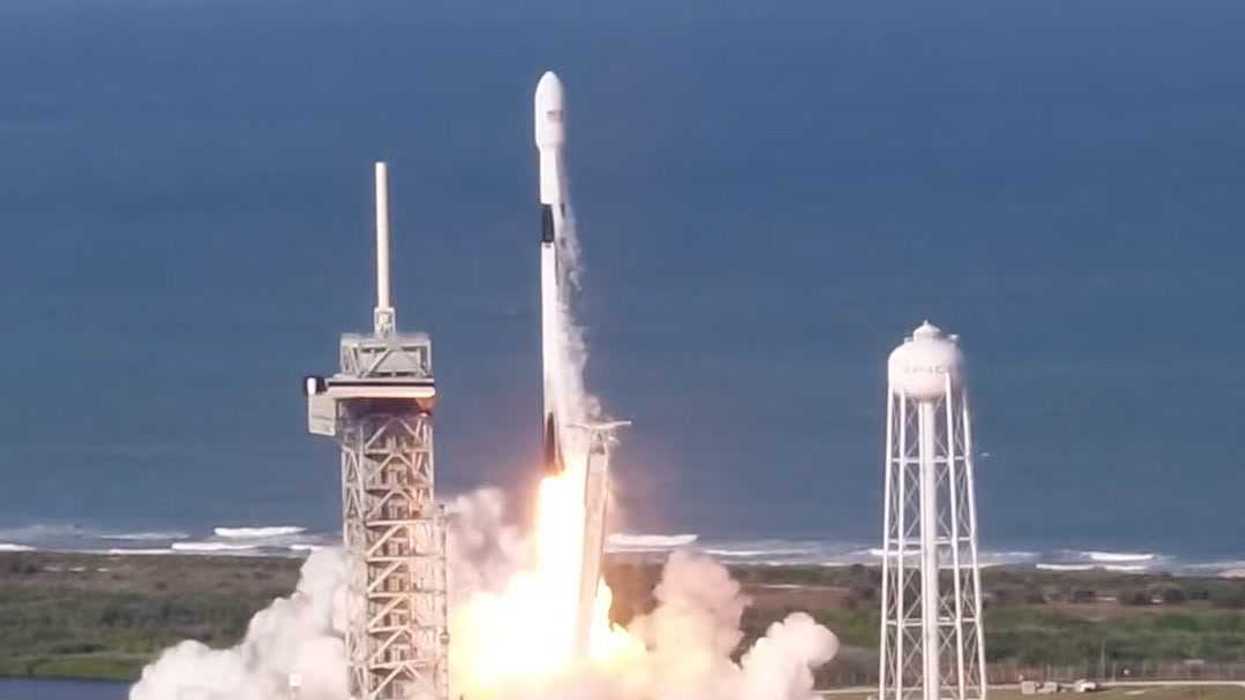
A part of a SpaceX rocket is thought to have crashed into the Moon.
Hurtling at an estimated 2.43 kilometres per second (about 5,400mph) the 4,000 kilogram upper stage of the Falcon 9 spacecraft is believed to have made impact on the Moon on Wednesday morning (August 5) around 7.35am (GMT) or 2.35am (ET).
Given this part of the rocket is estimated to be the size of a five-storey building, and hit the Moon with the power of three tons of TNT, scientists believe the impact will leave a new crater on the Moon's surface.
According to experts, the impact will not have been visible from Earth with the naked eye but a dim flash could be seen with a telescope.
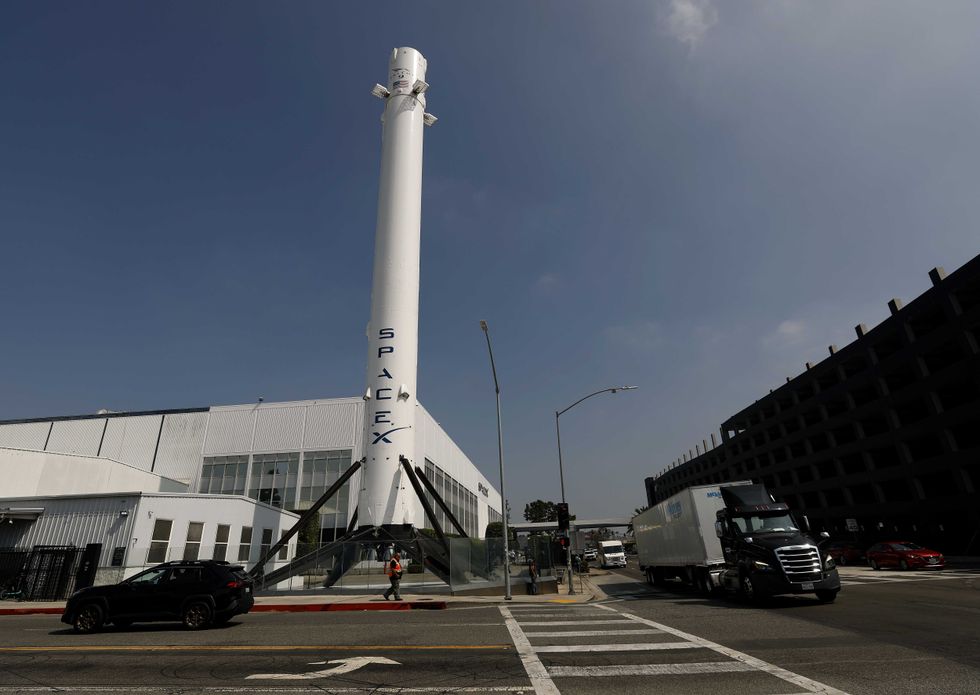 A SpaceX Falcon 9 rocket is displayed at a SpaceX facility on August 04, 2026 in Hawthorne, California. Photo by Justin Sullivan/Getty Images
However, amateur astrophotographers watching through telescopes did not see any sign of the crash from Earth, The Independent reported.
That being said, US ground telescopes may have picked up the explosion but we might have a wait on our hands for the next few days as the spacecraft orbiting the Moon will send the crash images when it passes over.
The Falcon 9 spacecraft launched in January last year and had travelled to the Moon to transport a lunar lander.
How did part of it collide into the Moon?
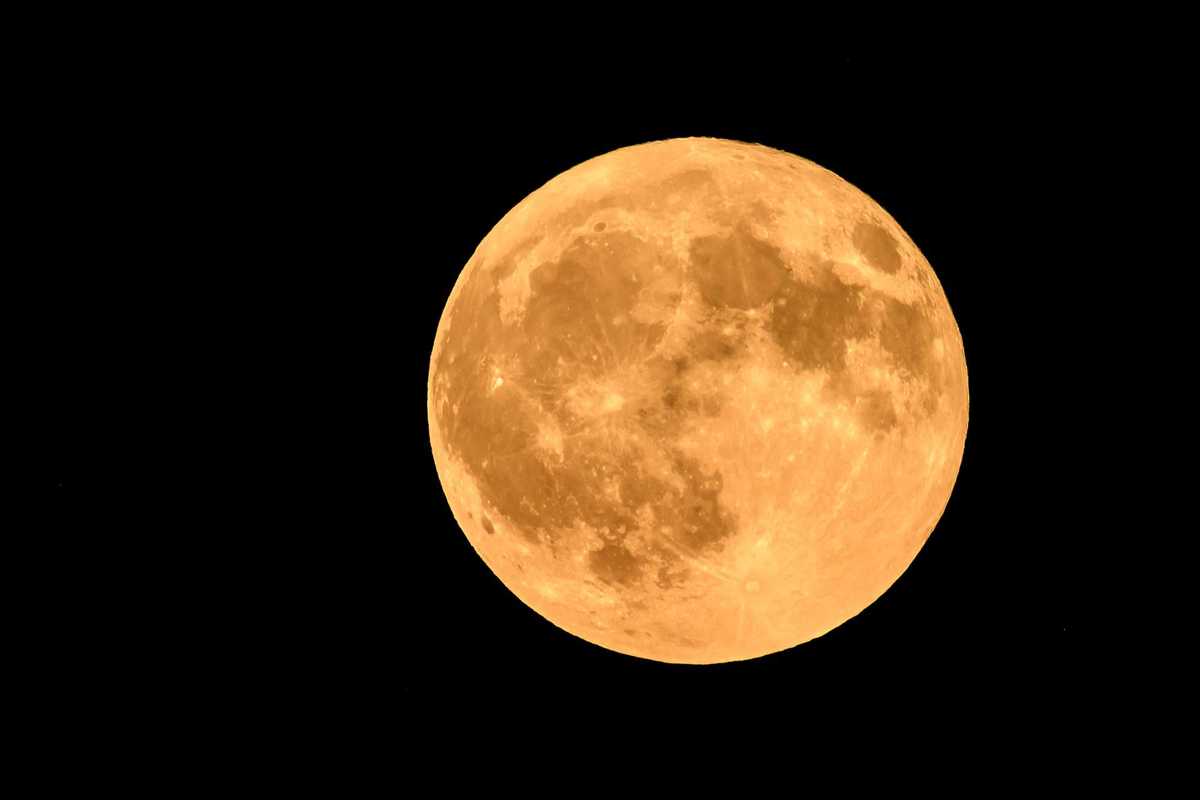 Photo by Fabrice COFFRINI / AFP via Getty Images
SpaceX’s upper stages typically return to Earth - either burning up in the process or falling into the ocean - but in this scenario more thrust was required for this particular mission, meaning the rocket’s upper stage was left floating in space.
Of course, it wasn't meant to collide with the Moon but a combination of the fuel being dumped and being unable to change its path led to this outcome.
What has SpaceX said?
"What has happened is essentially a mixture of solar activity and gravity forces have put it on a path toward the moon," Julianna Scheiman, SpaceX director of Nasa science and Dragon programs, addressing reporters on Monday, as per Reuters.
What will experts learn from incident?
Although this crash was unintentional, scientist say they can still learn a lot from it.
"This may be of some – probably minor — scientific interest, and we may learn some things from it," said Bill Gray, creator of widely used astronomy software who published a report on the stage's impact in April, as per Reuters.
Should we be worried here on Earth?
Short answer - no.
The crash poses no danger to us here on Earth, according to Nasa officials.
Plus, space junk crashes on the moon are rare.
In March 2022, a Chinese rocket stage crashed into the moon following its completion of a lunar test mission, then in 2009 NASA intentionally crashed a rocket stage into the Moon to further learn about the plume of lunar material kicked up by the impact.
Gray noted, "It doesn't present any danger to anyone, though it does highlight a certain carelessness about how leftover space hardware (space junk) is disposed of."
Why not read...
- How to watch the rare solar eclipse across the UK
- 'Hidden structures' discovered deep beneath the dark side of the moon
Sign up to our free indy100 weekly newsletter
Have your say in our news democracy. Click the upvote icon at the top of the page to help raise this article through the indy100 rankings.
Top 100