The Conversation (0)
RFK Jr says Trump calculates percentages "differently" as he defends drug price …
REUTERS
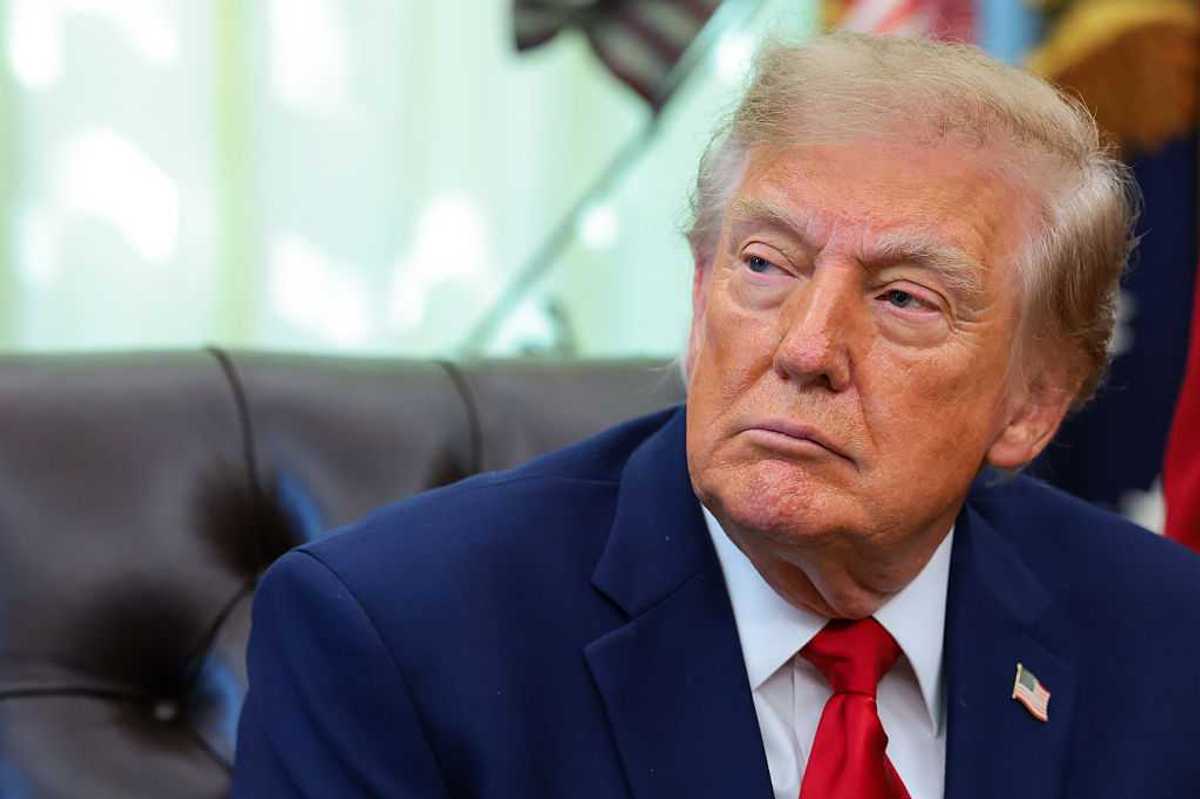
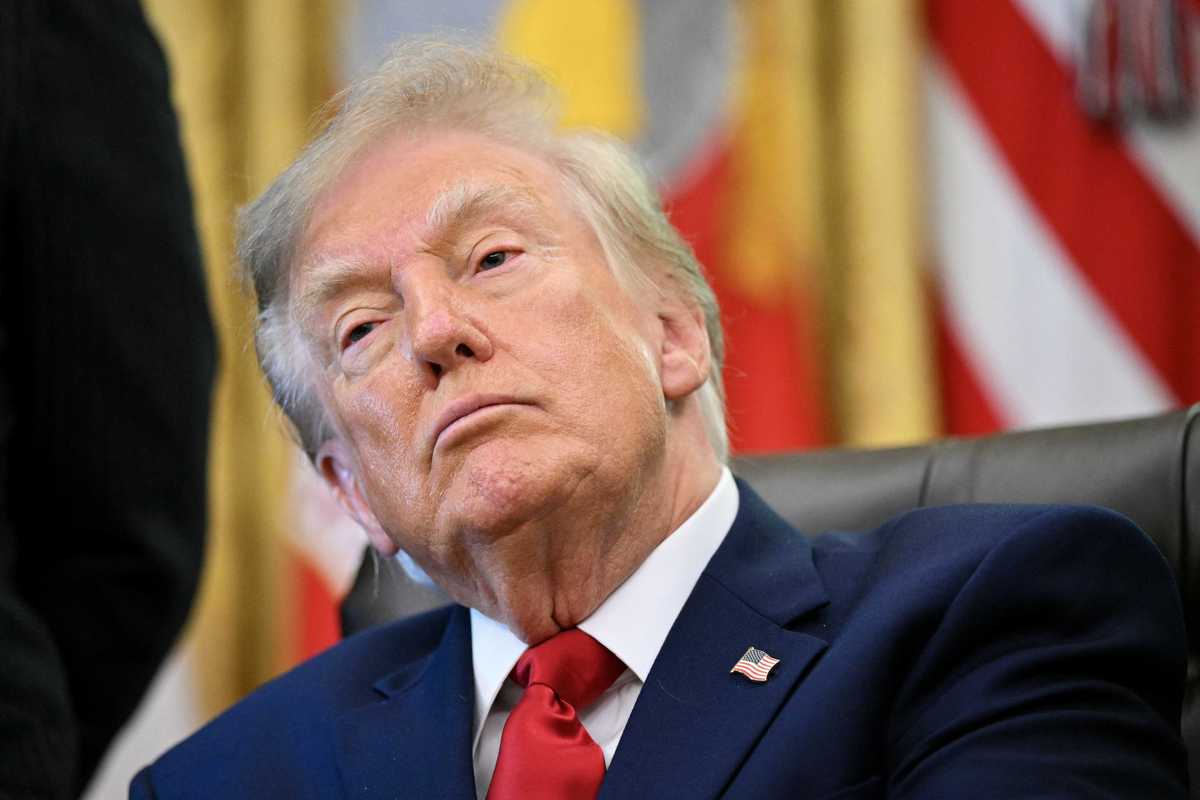
Donald Trump, who popularised the term "fake news", appears to have found a new subject for his unique interpretations: "fake math". During a recent event announcing a deal with drugmaker Regeneron, Mr Trump defended his previous assertions that prescription medication prices had been cut by "well over 100 per cent" – a mathematically impossible feat without manufacturers reducing prices to zero and then, presumably, paying consumers to use their products.
Mr Trump acknowledged having boasted that his efforts had slashed drug prices by "500 per cent, 600 per cent". However, he added, "We also sometimes say 50 per cent, 60 per cent" and described it as a "different kind of calculation" that could extend to "70, 80 and 90 per cent."
"People understand that better," Mr Trump stated. "But they're two ways of calculating" and "either way, it doesn't make any difference." While there might indeed be different ways to calculate, the distinction is crucial: one is mathematically sound, the other is not.
This was not an isolated incident of Mr Trump employing his own incorrect, mathematical reasoning during the drug pricing event. He also claimed that the ongoing 7 1/2-week "Iran war" actually fell within the four-to-six-week timeline he had initially predicted. The president also revisited the topic of his 2017 inauguration crowd size, a subject that famously led a former top adviser to coin the phrase "alternative facts".
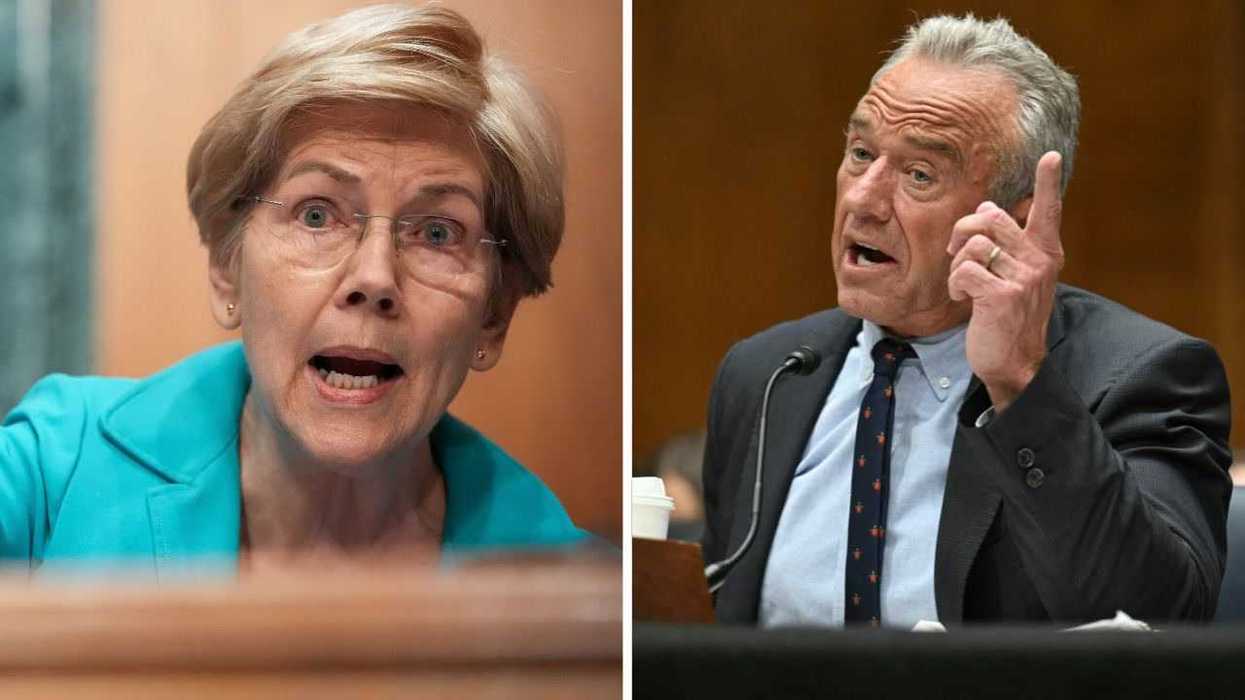
Mr Trump’s consistent misrepresentation of percentages came shortly after an administration official attempted to clarify the issue during the same Oval Office event. The official recalled an exchange with Senator Elizabeth Warren, who had suggested that claiming price cuts exceeding 100 per cent would imply "companies should be paying you to take their drugs."
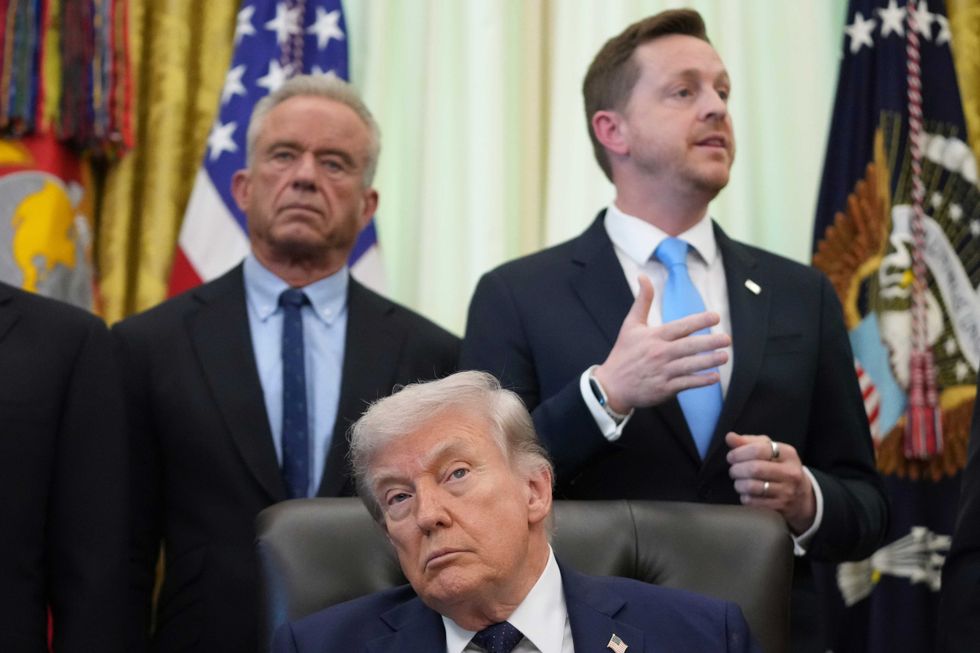 Chris Klomp, director of the Centers for Medicare and Medicaid Services, right, speaks as President Donald Trump and Health and Human Services Secretary Robert F. Kennedy Jr. listen during an event on health care affordability in the Oval Office at the White House, Thursday, April 23, 2026, in WashingtonAP Photo/Mark Schiefelbein
The official stated that Mr Trump "has a different way of calculating." On Thursday, the official argued that drug manufacturers had previously raised prices by more than 100 per cent, and Mr Trump was subsequently cutting those inflated prices substantially – effectively "wiping out percentages of costs worth more than 100 per cent."
"If the drug was 100 and it raised the price to 600, that would be a 600 per cent rise," the official explained, despite this calculation being incorrect. While £600 is 600 per cent of the original £100 value, the actual increase is 500 per cent. The official then continued, "And the president used that mathematical device." However, no such device exists for Mr Trump's characterisation when mathematics are applied correctly.
While a product's price can increase by more than 100 per cent (e.g., from £1 to £2.10 is a 110 per cent increase), prices cannot be reduced by more than 100 per cent without reaching zero – or entering negative territory, where consumers would theoretically be paid to accept the product.
In a subsequent question-and-answer session, Mr Trump offered another instance of "fake math" regarding the duration of the "Iran war," which began on 28 February. Asked about the conflict exceeding his initial four-to-six-week projection, Mr Trump contended that he had met his timeline because Iran's military was "decimated" by then. The US and Iran agreed to a ceasefire this month, which Mr Trump announced he was extending, but neither side has declared the conflict over, meaning a conclusion was certainly not achieved within the initial timeframe.
Mr Trump also reiterated his claims about his 2017 inaugural crowd size, comparing it to Martin Luther King Jr.'s 1963 "I Have a Dream" speech. He asserted, "I had the same exact crowd. Maybe a little bit more," adding, "I actually had more people. But that’s OK."
Top 100