The Conversation (0)
White House plays down oil price spike amid Iran war
Reuters
Holiday makers are understandably concerned over potential flight cancellations caused by fuel shortages, after the oil route through the Strait of Hormuz lies in disarray amid Trump’s war with Iran.
The update comes after International Energy Agency warned of Europe only having six weeks of jet fuel left due to rising tensions in the Middle East, as, typically, 20 per cent of the world’s oil passes through the Strait of Hormuz, located between Iran and the United Arab Emirates.
What’s happening to fuel prices?
Initially, Iran agreed that the strait would be “completely open” to commercial ships passing through during the two-week ceasefire currently in effect, due to end on 22 April.
However, on Friday 17 April, Trump stated the US navy would blockade Iranian ports untila permanent peace deal is met. As a result, Iran re-closed the strait on Saturday, stating that this would remain the case until the US naval blockade has ended.
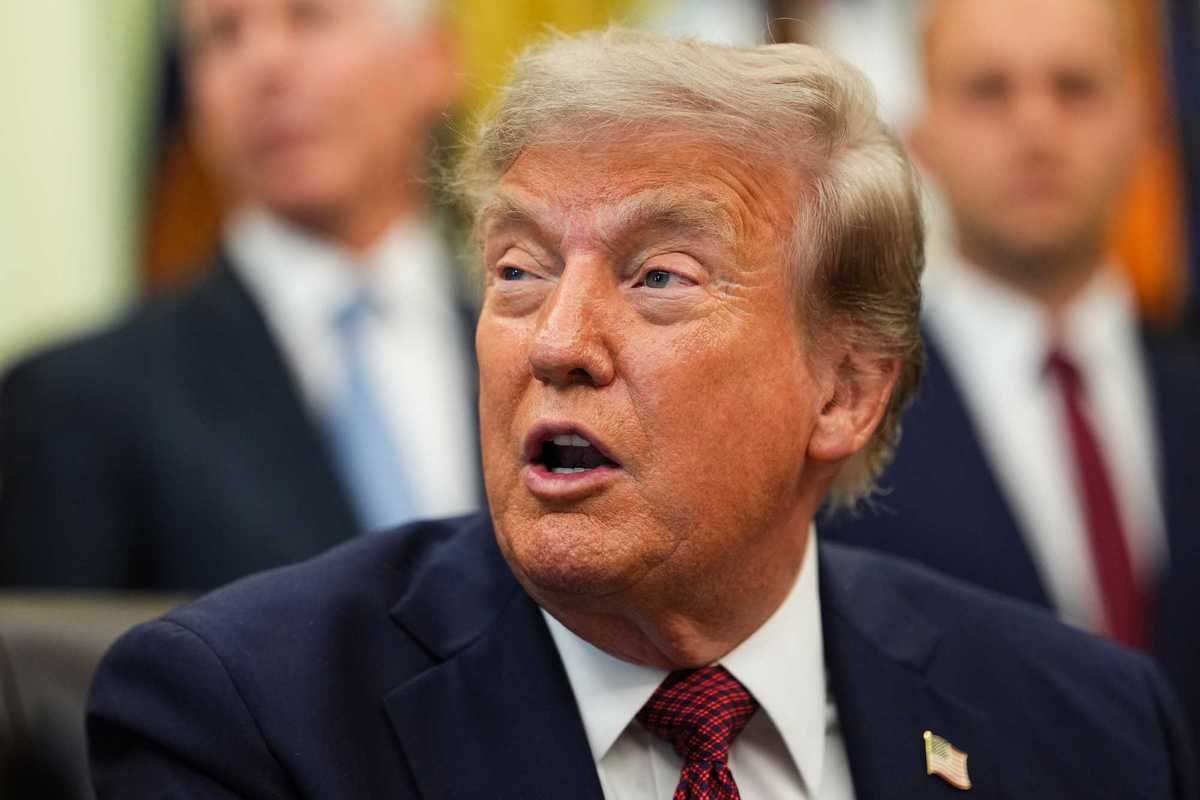
Iran claimed that the American president has violated the terms of their ceasefire agreement with his infringed naval blockade, and that any ships approaching the strait would be targeted. Trump responded by stating that Iran cannot “blackmail” the US with control on the waterway.
As a result of the unpredictable outcome for this trade route, fuel and energy prices have soared. The price of oil has risen from $72 (£53) per barrel before the war, to $119 (£88) in March 2026, a rise of over 65 per cent.
So, will airlines actually cancel flights?
A lot of international airlines have issued details and advice to passengers on how the fuel shortage is affecting their scheduling.
While some airlines such as British Airways say they don’t plan to increase ticket prices, others including Hong Kong airlines, Pakistan International Airlines, Virgin Atlantic and Korean Air have confirmed they will be increasing prices this month.
Other airlines who have confirmed a fuel increase surcharge are Thai Airways, Greater Bay Airlines, Westjet, Virgin Australia, SunExpress, TAP, Spring Airlines, Indigo, Hong Kong Airlines, China Eastern Airlines, Air France-KLM and AirAsiaX. Boss of British budget airline EasyJet said that passengers should expect higher prices toward the end of the summer.
However, United Airlines, Cathay Pacific, Air New Zealand, Airline Operations of Nigeria, Asiana Airlines, SAS, Lufthansa and Vietjet confirmed reducing flights or scrapping any unprofitable journeys in preparation for increased prices. Meanwhile, Vietnam Airlines plans to cancel 23 flights per week across domestic routes.
Many US airlines such as American Airlines, Southwest Airlines, Delta Air Lines, JetBlue Airways and Alaska Air don’t suggest any changes in flight frequency but warn of increasing prices for flight add-ons such as baggage.
 Pexels
What can I do if my flight does get cancelled?
ABTA, the Association of British Travel Agents, states that “if an airline cancels your flight in less than 14 days before you’re due to depart, then you’ll be entitled to compensation based on the length of your journey.” Although, in this case, the cancellation is caused by a situation outside the airline’s control as fuel shortages are classified as “extraordinarily circumstances”, meaning compensation is unlikely. In this event, passengers are only entitled to a refund or rebooking on another flight, as well as help with booking accommodation if necessary.
Chris Harrington, travel expert and managing director of Hoppa, an airport transfer service, advises that the first port of call in the event of a cancelled flight should be the airline you’re travelling with. If you’re already in the airport, then head to the customer service desk of the company as acting quickly can often be important when free seats on alternative flights may be limited.
That being said, in most cases the airline will have to make alternate arrangements for your travel if they are responsible for the flight cancellation, even if that’s through a different flight provider.
Should I still book a holiday amid the rising fuel prices?
In the UK, booking with a credit card may be a viable option to avoiding disappointment. Section 75 of the consumer credit act means the card provider is jointly liable if the company fails to deliver the purchased item, when said purchase was over £100.
Also, Chris Harrington recommends ensuring the correct travel insurance when booking a trip this summer. As cancelations may be happening under extraordinary circumstances, it’s vital to check that your insurance will cover you for costs that the airline may not directly compensate for.
Generally, though, fares for flights go up closer to the day of travel, so it’s likely better to book in advance. Advice across the internet suggests the importance of staying flexible with your travel plans and factoring in potential delays or issues at the airport.
When will prices go down?
Trump’s energy secretary stated yesterday that “prices have likely peaked and they will start going down”, before admitting there’s a possibility that gas won’t decrease in price significantly until 2027.
However, Tehran has stated today that there are “no plans” of peace talks due to the US seizing an Iranian cargo ship amidst their blockade of Iran’s ports. This comes despite the fact that JD Vance is leading a group of US officials travelling to Pakistan for further rounds of talks this week, as the temporary ceasefire ends on Wednesday (22 May).
Why not read…
- Trump ridiculed by critics over ‘ending 10 wars’ claim: 'I think not'
- Trump claims he was responsible for the Artemis II program in 'blatant lie'
Sign up to our free indy100 weekly newsletter
Top 100