The Conversation (0)
Lindsey Vonn is in a stable condition after her frightening crash at …
Bang Showbiz / VideoElephant
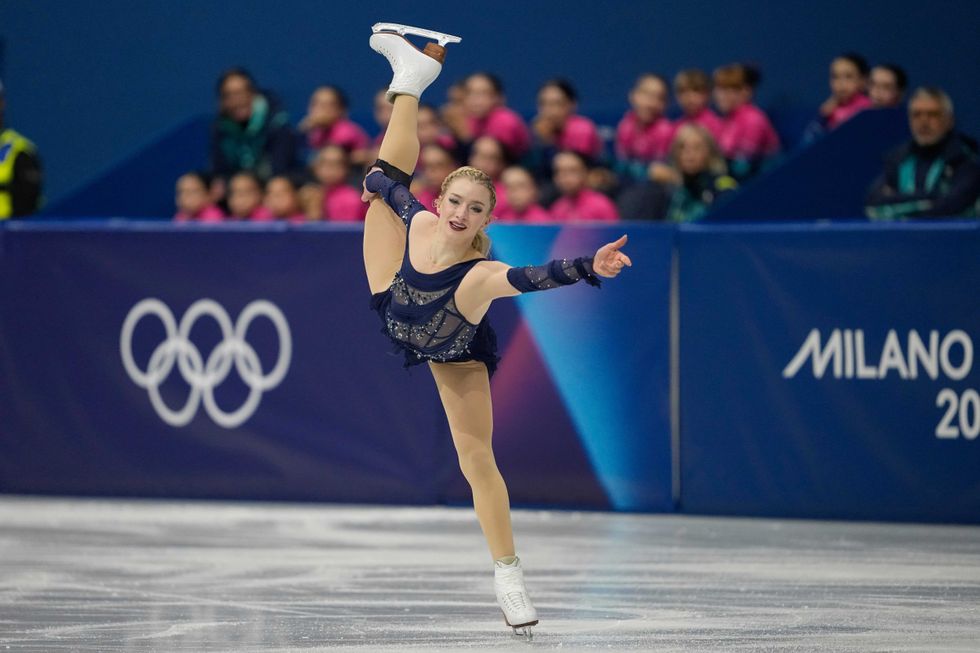
Just hours after securing an Olympic gold medal in the team event, American figure skater Amber Glenn found her triumph overshadowed by a fresh dispute over music copyright, adding to recent social media backlash.
Canadian artist Seb McKinnon, who records as CLANN, took to social media on Sunday to object to the use of his song "The Return" in Glenn’s free skate routine. The skater has reportedly used the track for the past two years without incident.
"So just found out an Olympic figure skater used one of my songs without permission for their routine. It aired all over the world ... what? Is that usual practice for the Olympics?" McKinnon posted on X shortly after the team competition concluded.
Figure skaters are mandated to obtain permission for their chosen music, a process that is far from straightforward. Copyright ownership can reside with a label, a record producer, or the artist themselves, often involving multiple parties. Skaters frequently blend different music cuts, and third-party companies like ClicknClear attempt to streamline permissions, making the entire copyright landscape complex and nuanced.
According to McKinnon, his agreement with his label stipulates that "I alone can give the OK to license my music."
Glenn was unavailable for comment on the music issue on Monday. She had planned a day off from training before departing Milan to prepare for the individual women's event, which commences on 17 February with the short programme. Messages left by The Associated Press with US Figure Skating regarding Glenn's copyright problem were not immediately returned.
This music dispute is not the first controversy involving Glenn at the Milan Cortina Games. The outspoken LGBT+ rights activist revealed she had received threats on social media after stating during a pre-Olympics press conference that the queer community was experiencing a "hard time" amid the political climate under President Donald Trump.
"I was disappointed because I’ve never had so many people wish me harm before, just for being me and speaking about being decent — human rights and decency," Glenn said on Sunday night, wearing an LGBT+ pin on her team jacket during the medal ceremony. "So that was really disappointing, and I do think it kind of lowered that excitement for this."
 AP
AP
Copyrights were historically not an issue in figure skating, as the International Skating Union (ISU) prohibited music with vocals, and most classical pieces are in the public domain. However, when these rules were relaxed in 2014, allowing modern music, artists began demanding compensation for their work.
This culminated at the 2022 Beijing Olympics, when an indie artist covering "House of the Rising Sun" objected to its use by American pairs skaters Alexa Knierim and Brandon Frazier. The ensuing lawsuit prompted the ISU to intervene and develop systems to help skaters avoid copyright infringement claims.
"It's never been an issue and then suddenly it is, and I don't understand why," Glenn told the AP before the Winter Games. "I understand there was a big upset at the last Olympics because some artist — I’m sorry, they decided to be (jerks). Like, they couldn’t just appreciate this Olympic team competing? It wasn’t even their song to begin with; it was a cover.
"It’s not like we’re a TV show and playing music in the background for an emotional scene. It just feels like a cash grab for different companies, and it’s really upsetting that they can’t just appreciate that their music has inspired something creative."
Justin Dillon, director of high performance for US Figure Skating, stated the governing body has endeavoured to assist its skaters in avoiding copyright claims. It remains unclear whether the organisation played a role in approving Glenn's music.
Numerous fans and fellow skaters have swiftly come to Glenn's defence.
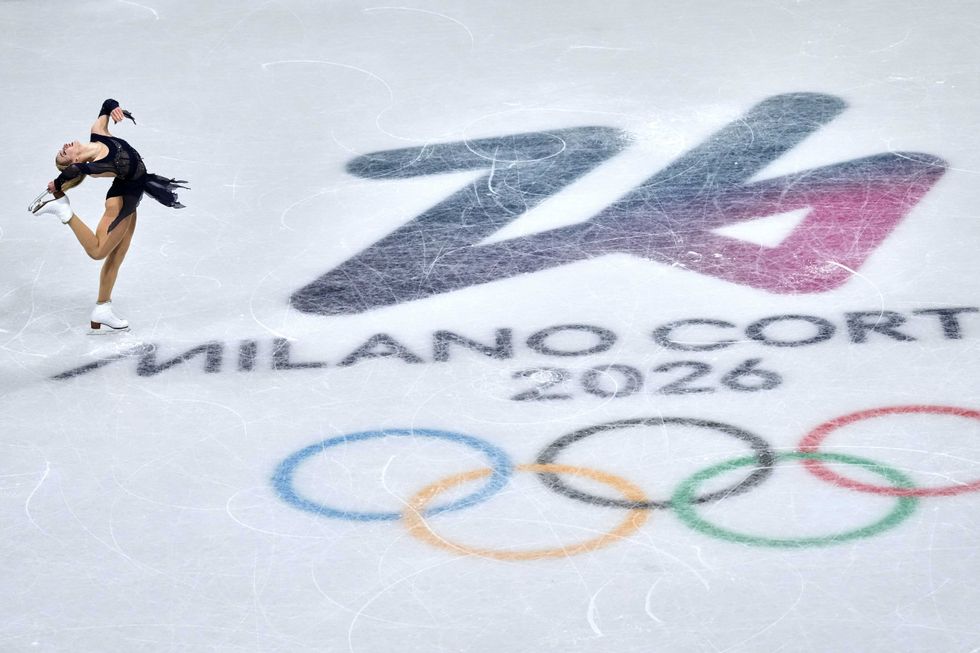
"I’d be so honoured that someone wants to skate to my music and give the music some amazing exposure," said retired Canadian pairs skater Meagan Duhamel, a two-time Olympian. "I used a piece of music for the 2018 Olympics and the artist was so excited she flew to the Olympics to listen and watch it live."
After Nathan Chen won gold at the Beijing Games with a free skate to "Rocket Man," Elton John effusively praised the American’s performance. Chen later collaborated with the musical legend for a music video.
"We really rely on our music," said Alysa Liu, part of the gold medal-winning U.S. team. "Without music, we’re not really our sport."
Top 100