The Conversation (0)
Related: Author of "Future of Alzheimers" book shares research on managing diagnosis and …
Fox - Ktvu / VideoElephant
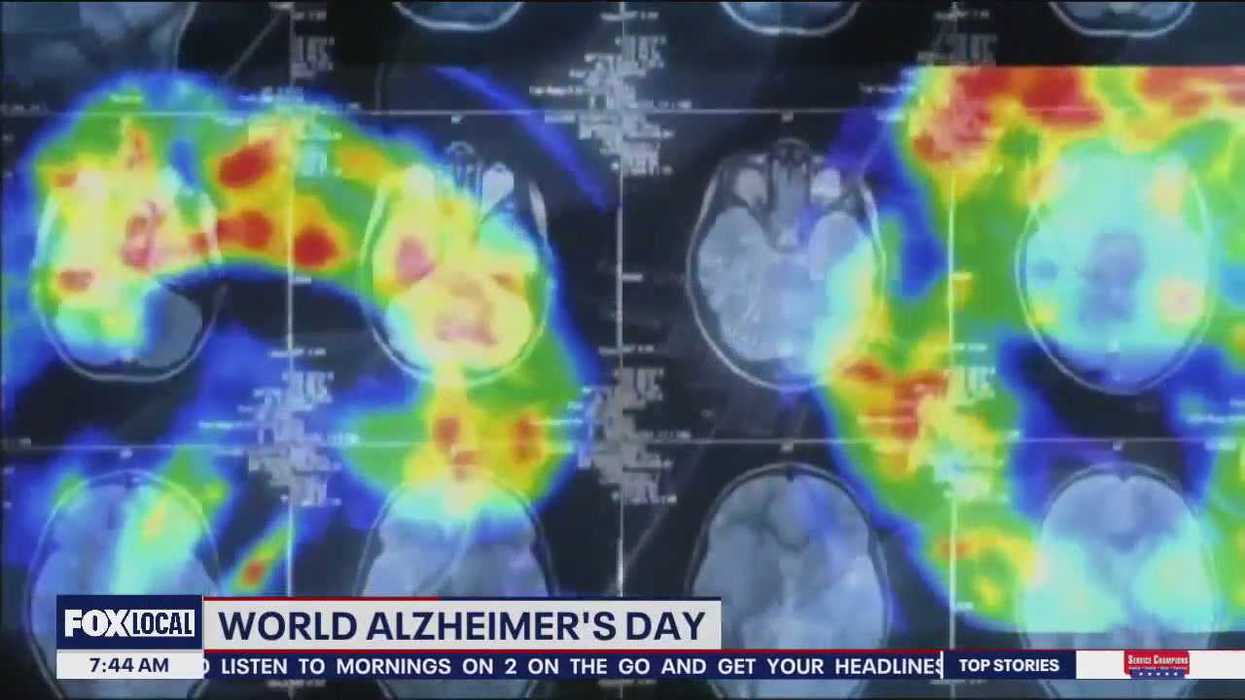
A pioneering new tool combining a simple finger-prick blood test with an online brain assessment has been developed to estimate an individual’s risk of developing Alzheimer’s disease, according to recent research. This innovative approach aims to identify those most susceptible, allowing for earlier intervention and support.
Published in Nature Communications, the study involved 174 participants who conducted the self-administered test at home, sending their samples back to research teams. The blood test specifically measures biomarkers p-tau217 and GFAP, both linked to Alzheimer’s and general brain decline.
Alongside this, participants completed a series of online cognitive assessments. Researchers found that integrating these two components can effectively pinpoint a person’s likelihood of developing the condition, enabling them to be prioritised for further diagnostic testing, treatment, and crucial support.
While discussing dementia can be challenging, understanding its risk factors empowers individuals to make informed choices that could potentially reduce their chances of developing the disease. Dr Richard Oakley, associate director of research and innovation at the Alzheimer’s Society, highlighted key risk factors and outlined lifestyle adjustments that can help.
Dr Oakley explained that some risk factors are beyond our control. "Age is one of the biggest risk factors associated with Alzheimer’s because the chance of developing dementia increases as we age," he stated.
The Alzheimer’s Society notes that for individuals over 65, the risk of developing Alzheimer’s approximately doubles every five years. This is partly due to natural bodily changes, including the build-up of proteins like amyloid and tau in the brain, which aggregate into "insoluble masses and start causing damage."
 Alamy/PA
Sex also plays a role, with data indicating women are more prone to Alzheimer’s as they age than men. "There are about twice as many women over 65 with Alzheimer’s as there are men over 65 with the condition," Dr Oakley confirmed, though the precise reasons remain unclear.
Theories surrounding hormones and menopause are currently under investigation. "There are different theories around hormones and menopause that are being investigated, and lots of research is trying to work out exactly why this is so we can hopefully make changes to stop this," he added.
Genetic predisposition is another factor. "There are genetic risk factors and certain mutations that people can have that can be passed down through families that can make you more predisposed to developing different forms of dementia such Alzheimer’s disease," Dr Oakley said.
However, familial genes account for less than 10 out of 10,000 Alzheimer’s cases. Certain risk genes, such as APOE, can increase susceptibility. "If you get two copies of APOE4 gene, a copy from your mum and another one from your dad, that significantly increases your chances of Alzheimer’s," he explained, adding a crucial caveat: "it’s important to emphasise that the APOE gene only increases a person’s chances of getting dementia and doesn’t cause the condition in everyone who has it."
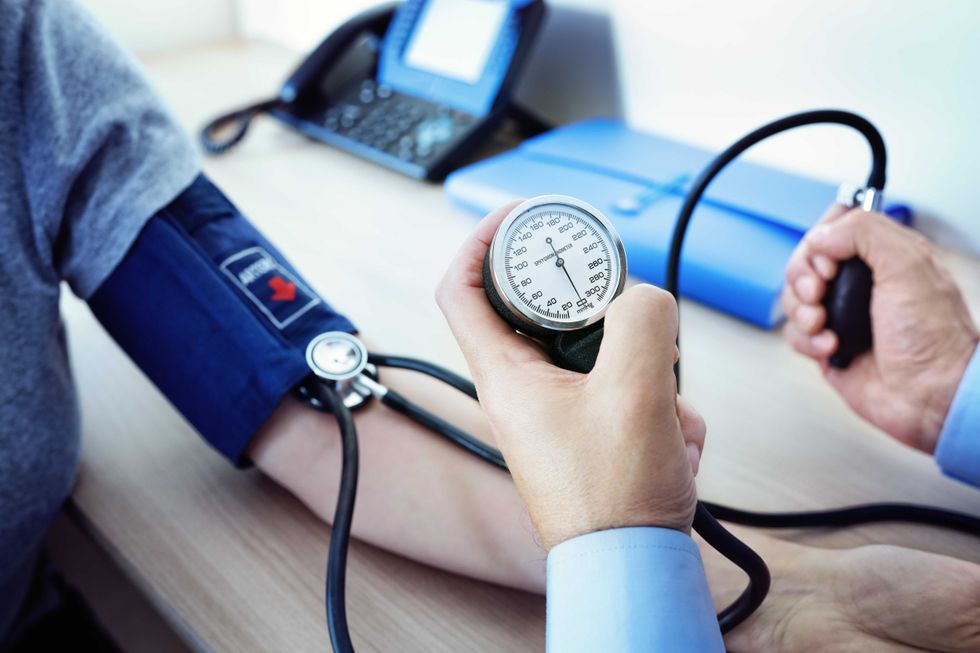
Certain health conditions can also elevate risk. Dr Oakley noted that Alzheimer’s can become "vascular," where brain damage stems not only from proteins but also from restricted blood flow. "Therefore, things like high blood pressure, high cholesterol and conditions that affect your blood flow and metabolism such as diabetes, strokes and cardiovascular disease can all increase your risk of Alzheimer’s."
Encouragingly, many risk factors are modifiable. The 2024 Lancet Commission report on dementia prevention, intervention, and care revealed that approximately 45 per cent of all dementia cases are linked to changeable factors, rather than unalterable elements like ageing and genetics.
"The 2024 Lancet Commission report on dementia prevention, intervention, and care showed that about 45 per cent of all dementia cases are based on modifiable risk factors, rather than things like ageing and genes that we can’t change," Dr Oakley stated.
 Alamy/PA
The report identified 14 health and lifestyle factors that, if addressed, could prevent nearly half of global dementia cases: – Quality of education in early life (5%) – Social isolation (5%) – Air pollution (3%) – Traumatic brain injury (3%) – Hearing loss (7%) – Depression (3%) – High blood pressure (2%) – Type 2 diabetes (2%) – Obesity (1%) – Physical inactivity (2%) – Smoking (2%) – Excessive alcohol consumption (1%) – Uncorrected vision loss (2%) – High cholesterol (7%)
Individuals can actively reduce their risk through lifestyle adjustments. "You can reduce your individual risk by doing things like quitting smoking, drinking alcohol only in moderation, having a healthy balanced diet, keeping a healthy weight and staying active," Dr Oakley advised.
Maintaining cardiovascular health is also paramount. "We often say what’s good for your heart is good for your head, so controlling your cholesterol, and monitoring your blood pressure can make a big difference," he added.
Staying socially connected is equally vital. "I would encourage people to carry on picking up hobbies and engaging with people," Dr Oakley recommended. He also stressed the importance of supporting older loved ones to engage in hobbies and social interactions, highlighting its role not only in "general enjoyment, but also in reducing their risk of developing dementia."
Top 100