The Conversation (0)
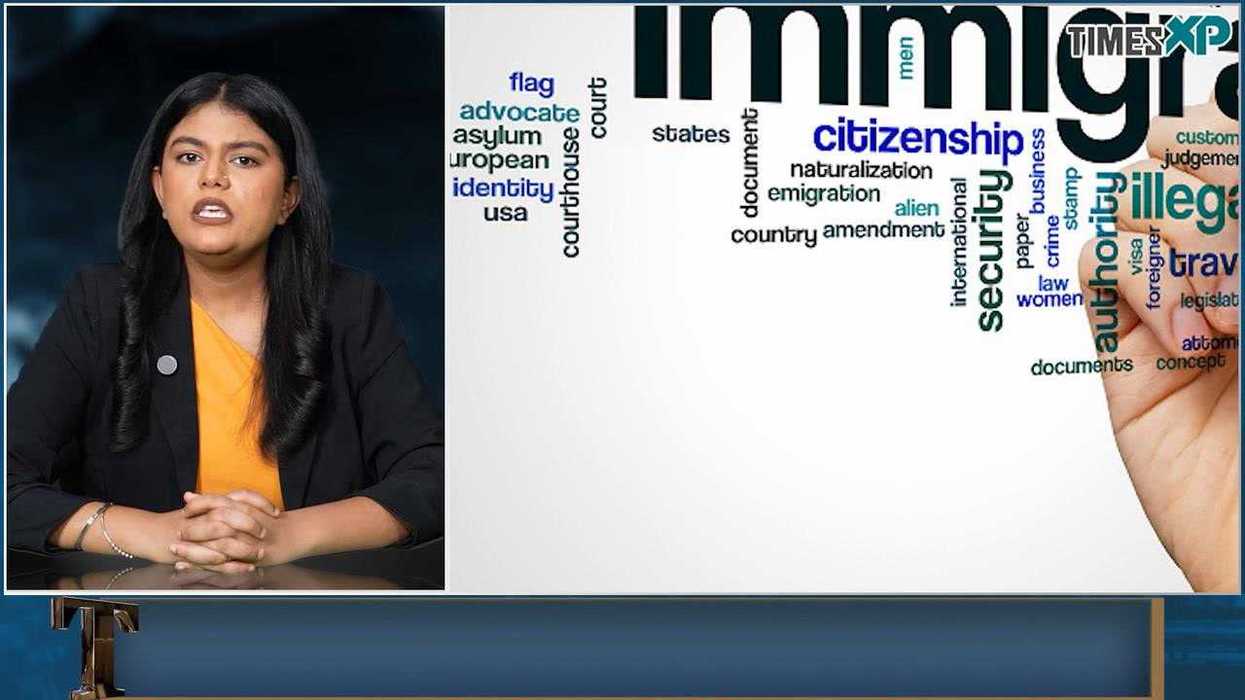
Related: Indians In The U.S. At Risk? Trump’s New Immigration Reform 2026 Explained!
Times XP - English / VideoElephant
Most adults in the United States no longer believe the country is a welcoming place for immigrants, according to a new AP-NORC poll. The survey reveals that approximately one-third of Americans report knowing someone directly affected by the aggressive immigration enforcement policies implemented by the Trump administration.
The comprehensive survey, conducted by The Associated Press-NORC Center for Public Affairs Research among more than 2,500 American adults, found that around six in 10 respondents feel the US was once a great place for immigrants but no longer is. A significant one-third of adults – a figure rising to over half among Hispanic adults – indicated that within the last year, they or someone they know has started carrying proof of their immigration status or US citizenship, faced detention or deportation, altered travel plans, or significantly changed daily routines, such as avoiding work, school, or leaving their homes, due to concerns about their immigration status.
These findings emerge as the Supreme Court considers whether the Trump administration should be permitted to restrict birthright citizenship, following months of widespread immigration enforcement actions and mass deportations.
Reid Gibson, a 72-year-old independent retiree from Missouri, expressed his outrage regarding the Trump administration’s treatment of immigrants. He hopes the US will eventually become more hospitable to immigrants again, but fears "it may take many years to reverse the damage that the Trump administration has inflicted" with its policies. The poll highlights that many Americans have personal connections to those affected by the Trump administration’s approach, including Gibson’s stepdaughter, who he says now carries her passport due to concerns that her darker skin could make her a target during immigration crackdowns. "It’s just plain wrong," Gibson added. "This is not a good country for immigrants anymore."
Many American adults have adapted their lives in response to heightened immigration enforcement over the past year, as the Trump administration increased detentions and sought to conduct the largest deportation operation in American history. Democrats are more likely than independents or Republicans to know someone affected, and those with a personal connection are more inclined to believe the US is no longer a great place for immigrants.
Kathy Bailey, a 79-year-old Democrat from Illinois, has witnessed the administration’s immigration policies permeate even her small-town swim class. She noted that two women in the class, both naturalised US citizens, have begun carrying their passports when they leave home. Bailey explained that one of the women, who is from Latin America, has been particularly anxious about standing out in a predominantly white community. "She’s an American citizen now, but she’s so scared that she has to carry her passport," said Bailey. "She’s just another sweet old grandmother swimming at 5 in the morning." Approximately six in 10 Hispanic adults reported that they or someone they know has been impacted by immigration enforcement in this manner, a rate significantly higher than among Black or white adults. "This is terrible for these women!" Bailey exclaimed. "I’m just stunned at what we are coming to."
 Ashlee Rezin/Chicago Sun-Times via AP
Nick Grivas, a 40-year-old from Massachusetts, shared that his own grandfather’s immigration to the US from Greece has made him acutely aware of the impact of the president’s policies. This personal history contributes to his belief that the US has ceased to be a promising destination for those seeking a new life. "We can see how we’re treating children and the children of the immigrants, and we’re not viewing them as potential future Americans," Grivas stated.
Roughly three in 10 American adults believe the US remains a great place for immigrants, according to the poll, while about one in 10 contend it never was. The sentiment that America is no longer great for immigrants is more prevalent among Democrats and independents, as well as among those born outside the US. Grivas, a Democrat, expressed concern that federal anti-immigration policies could hinder the country’s development by discouraging new arrivals from investing in their local communities, particularly if they doubt their ability to remain. "You’re less willing to commit to the project if you don’t think that you’re gonna be able to stay," he said.
The Supreme Court recently heard arguments concerning Donald Trump’s efforts to restrict birthright citizenship by declaring that children born to parents who are in the country illegally or temporarily are not American citizens. About two-thirds of American adults surveyed believe automatic citizenship should be granted to all children born in the country, a view largely supported by most Democrats and independents. Republicans, however, are more sceptical, with only 44 per cent backing birthright citizenship. The poll also revealed that some individuals hold conflicted views, generally supporting birthright citizenship but opposing it in specific circumstances.
Among those who object to automatic citizenship is Linda Steele, a 70-year-old Republican from Florida, who believes that only children born to American citizens should be granted citizenship. Steele does not think foreigners living legally in the US – whether for work or other reasons – should be able to have a child who automatically becomes a US citizen. "That shouldn’t be allowed," she said. "They’re just here visiting or going to school."
When presented with specific scenarios, about six in 10 American adults support birthright citizenship for children born to parents on legal US tourist visas, while only about half support it for those born to parents who are in the country illegally. A higher proportion, 75 per cent, support automatic citizenship for children born in the US to parents who are in the country legally on work visas, with much of this increased support coming from Republicans who deem this an acceptable situation.
Kevin Craig, a 57-year-old from Wilmington, North Carolina, who leans conservative, does not believe citizenship should be automatically granted. He argues there should be "at least some opportunity for intervention by a human being who can make some sort of a judgment." However, he added: "I think my personal opinion is that I can’t think of a situation where it would not be granted."
Top 100