
The Conversation (0)
Is berberine actually ‘nature’s Ozempic?’
CBC - Canadian National News / VideoElephant
Ozempic, Wegovy, Mounjaro - whatever you know GLP-1 weight loss injections as, their popularity is booming.
But, with research still not finished on the long-term impacts of using these kinds of drugs to help with health journeys, dieters are now seeking out natural alternatives to help alongside exercise and diet changes.
One supplement that's having its moment for this very reason is berberine.
The plant-derived compound (from barberries) has been used in various traditional medicine systems for many years, and it's been studied largely around its effects on blood sugar control and lipid metabolism.
According to research, it's thought that berberine activates AMP-activated protein kinase (AMPK), helps reduce glucose production in the liver, improves insulin sensitivity, alters the gut microbiome and influences how fats are processed in the body.
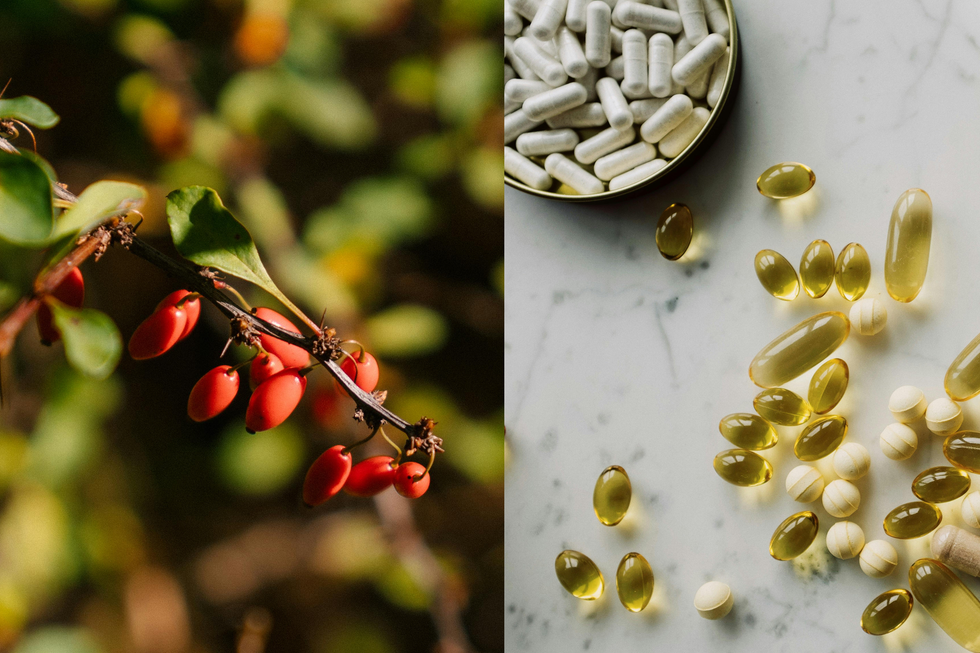 Pexels
That means it's become a popular supplement for those with medical conditions like Type 2 Diabetes, however, like with weight-loss injections, which help the body produce more insulin, people are wondering if it could help them shed the pounds, too.
It's even earned the reputation online as being "nature's Ozempic", racking up thousands of views on TikTok.
Not to mention, one month's supply of berberine comes in at around £20 - in comparison to weight-loss injections (often costing hundreds every month), it's a small price to pay.
"Its recent rise in popularity as a weight-loss aid is largely down to a mixture of emerging evidence and social media or marketing hype", suggests Dr Giuseppe Aragona, GP and medical adviser for Prescription Doctor.
"Some small studies suggest that berberine can lead to modest reductions in body weight, BMI and waist circumference, particularly when combined with dietary and lifestyle changes. It may have a mild effect on appetite regulation and energy expenditure through its influence on insulin sensitivity and gut hormones."
One of the biggest question marks around GLP-1s right now is safety. While they may be effective, patients have reported a number of side effects during use, and we're still not sure what effect they could have on our bodies in the future.
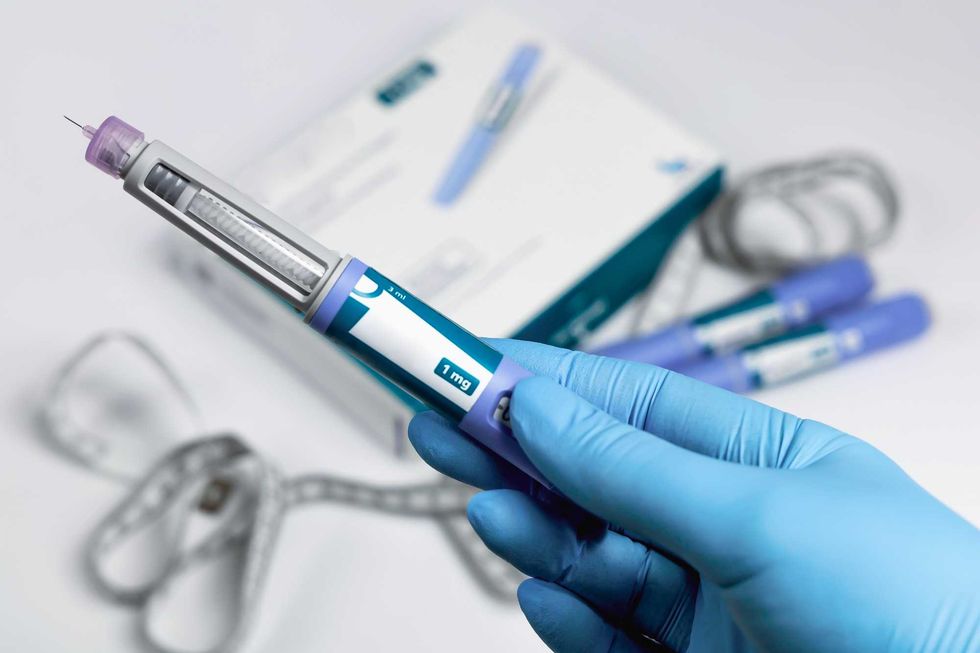 iStock
Dr Aragona suggests that berberine might be easier to manage in the short-term, but still isn't without its own risks.
"The most common side effects are gastrointestinal, such as nausea, constipation, diarrhoea and abdominal discomfort", he says.
"It can also interact with other medications by affecting how they are broken down in the liver, and it may increase the risk of low blood sugar if taken alongside diabetes medications such as insulin or sulfonylureas."
He adds: "Overall, while berberine does appear to have genuine metabolic effects and may offer modest benefits for some people, it should not be seen as an equivalent or alternative to licensed, evidence-based treatments for obesity or diabetes.
"Anyone considering taking it for weight loss should do so with caution and ideally discuss it with their GP or pharmacist first, particularly if they have underlying health conditions or are taking other medications."
Why not read...
These everyday supplements ‘slow down biological ageing’, according to scientists
Doctor says he'll never take this common supplement – here's why
Sign up for our free Indy100 weekly newsletter
Have your say in our news democracy. Click the upvote icon at the top of the page to help raise this article through the indy100 rankings.
Top 100