The Conversation (0)
Jennifer Aniston reveals her daily health hack for self-care
iStock
The global biohacking market is predicted to hit $159 billion by 2033 as we turn our focus on health into more than just a short-term fling.
Our desire to live longer - or, more importantly, live better for longer - has seen growing demand for more boundary-pushing treatments and experiences, from light therapies, to wellness resorts, all at our fingertips.
However, at-home availability of treatments and ingredients also means we're going more DIY than ever before; making it even more essential to exercise caution. That's something that couldn't ring truer for a growing wellness trend that's got people divided to say the least: Peptides.
If you've been scrolling your feed as of late, you might have seen these code word-like acronyms popping up in the form of GHK-CU, MOTS, SS31, or RETA, to name but a few.
 iStock
For context, Retatrutide (or RETA), is a triple agonist, targeting the receptors of 3 hormones that can impact appetite, weight, and blood sugar levels.
SS31 claims to improve mitochondrial function, protecting the body against oxidative stress, while GHK-Cu (glycyl-L-histidyl-L-lysine copper) is used as a booster for a naturally occurring copper-binding tripeptide that declines with age - helping with collagen production and skin elasticity.
They sound like a science experiment gone wrong to anyone out of the loop, however, they're actually shortened names for stacks of chemical peptides that biohackers and elite wellness gurus are using to look and feel "better".
What's more, they've exploded in popularity in the looksmaxxing and body building communities in particular, with users seeing them as a more 'natural' alternative to modern aesthetic treatments.
 iStock
Boasting about your peptide 'stack' has become a badge of honour for many. Among them is US podcaster Joe Rogan, who has previously promoted his use of the 'Wolverine' stack - a combination of BPC-157 and TB-500, used to supposedly heal muscle injuries more quickly.
So, what the heck does this all mean, and do we really need them?
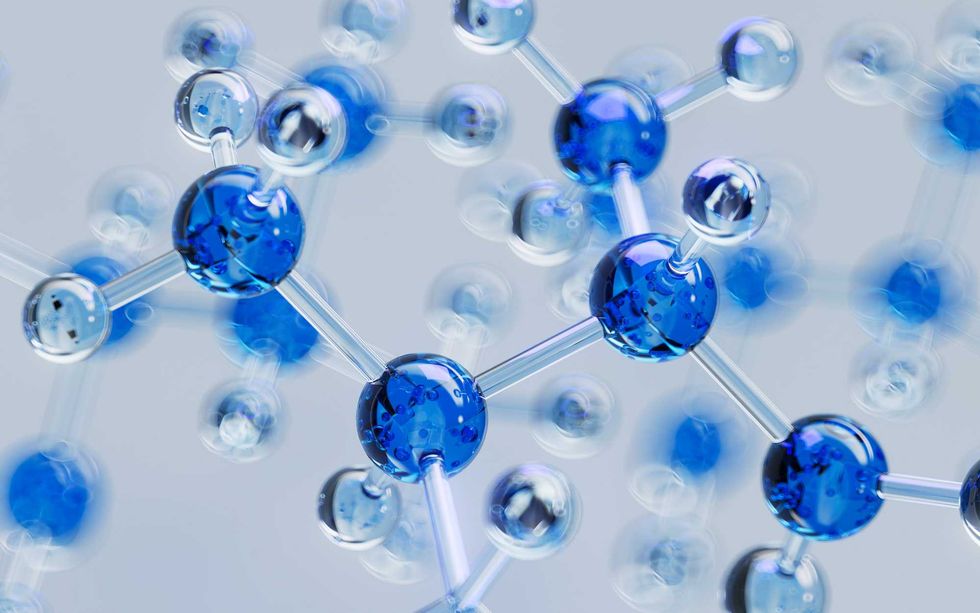
“Peptides are chains of amino acids that act to help signal different parts of the body. Think of it as text messages sent to different areas of the body, helping cells to communicate with each other", notes Dr Ahmed El Muntasar, GP and owner of The Aesthetics Doctor.
“They deliver signalling molecules directly into the body to help stimulate certain biological functions. They can help with skin rejuvenation, metabolism, muscle repair, and hormones among many other things.”
Put simply, they claim to supercharge functions that are already going on in your body to aid peak performance.
Some people credit them for weight loss, while others use them for apparent skin tightening or hair growth, and athletes; muscle repair.
They're not a new thing: They've been around for more than a century and include household names such as insulin. As you can imagine, the rising interest in peptides in all their forms has been spurred on by the normalisation of GLP-1 use, and the idea that we can now easily change the chemical function of our bodies for the long-term with "just" a jab.
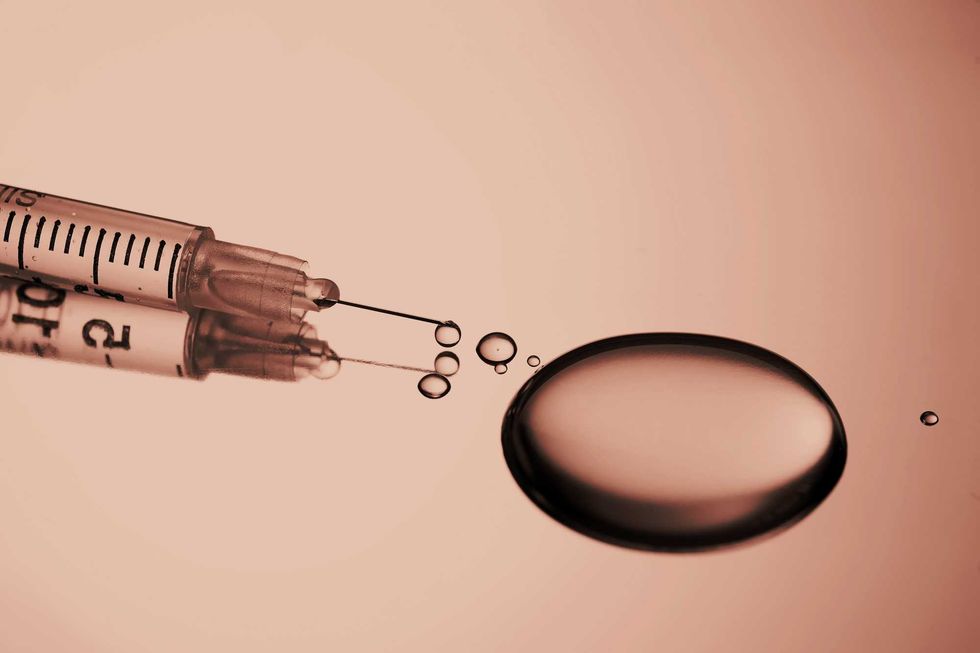
While you can readily access more diluted versions of peptides in skincare; like weight loss drugs, peptides at their purest are administered by injection - which, as they gain popularity, are cheaper, and easier to access.
Herein lies the problem. The sharing power of 'before and after' photos creates demand, demand widens production, and now, anyone can get vials and syringes of peptides delivered straight to their door in a few clicks.
Where people once consulted pharmacists and doctors, they're now buying peptides - some of which aren't approved for human use and have no clinical backing - online.
It's also worth noting that much of the research around them has been done on animals and cells, rather than humans.
“Most peptides are very poorly regulated, and there isn’t a lot of robust clinical evidence to show that they work. Additionally, they are not licensed in the UK for self-injection", Dr Ahmed notes.
“Many peptides online are not medically licensed so their quality and purity are very unclear."
He adds: "Furthermore, many people offering these injections are not medically trained to administer them.”
 iStock
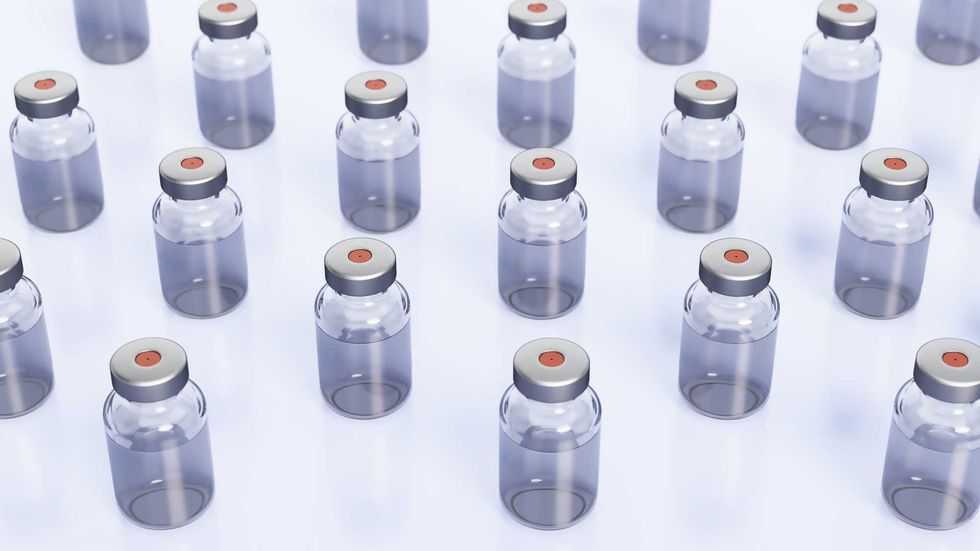
That means you could be exposing yourself to risk of allergic reactions, infection, or other unknown long-term effects, nor do you even know what you're purchasing is the real deal.
Not to mention, studies into peptides are so complex and robust that even scientists don't have all the answers just yet. Use of any one of these ingredients could trigger a whole host of other unwanted health snags, prompting a chain reaction.
In fact, experts are now so concerned that the UK medicines regular is investigating claims made by clinics selling unregulated peptide therapies, per The Guardian.
The bottom line? Some things should be left to the professionals, and if it's truly prosperous health we're striving for...maybe we should listen to them.
Right now, until more is known, what’s being marketed as the future of wellness could, for some, come at a very real cost.
Why not read...
What is NAD+? This is why you’ll be seeing the supplement everywhere this year
Sign up to our free indy100 weekly newsletter
Top 100