The Conversation (0)
Dermatologist reveals in-flight skin care tips for passengers
Dermguru, TikTok
Summer is on the horizon; which means we're already mentally on a beach, with a spritz in hand, the breeze in our hair, and sun-kissed skin, glowy enough to ditch any products that aren't a trusty SPF.
But, it's quite the journey to get to that point.
You've probably already ran to your gate, emptied out duty free and withstood a good few hours on a plane, frantically slapping on moisturiser so you don't emerge from the other side as a prune.
And, as it turns out, where you choose to sit on the plane could determine the level of beating your skin takes. As if we needed anything else to think about.
 Pexels
In fact, humidity levels inside a plane cabin can drop below 20 per cent, which is quite literally drier than the Sahara Desert. Combined with recycled air, UV exposure at altitude and limited movement, research suggests that certain seats accelerate moisture loss far more than others.
“People don’t realise that where you sit on a plane genuinely impacts your skin barrier,” says Danielle Louise, beauty expert at Fresha, who have done a full analysis of the best and worst places to sit on planes if you care about your skin - prompted by higher demand for post-flight skin repair treatments.
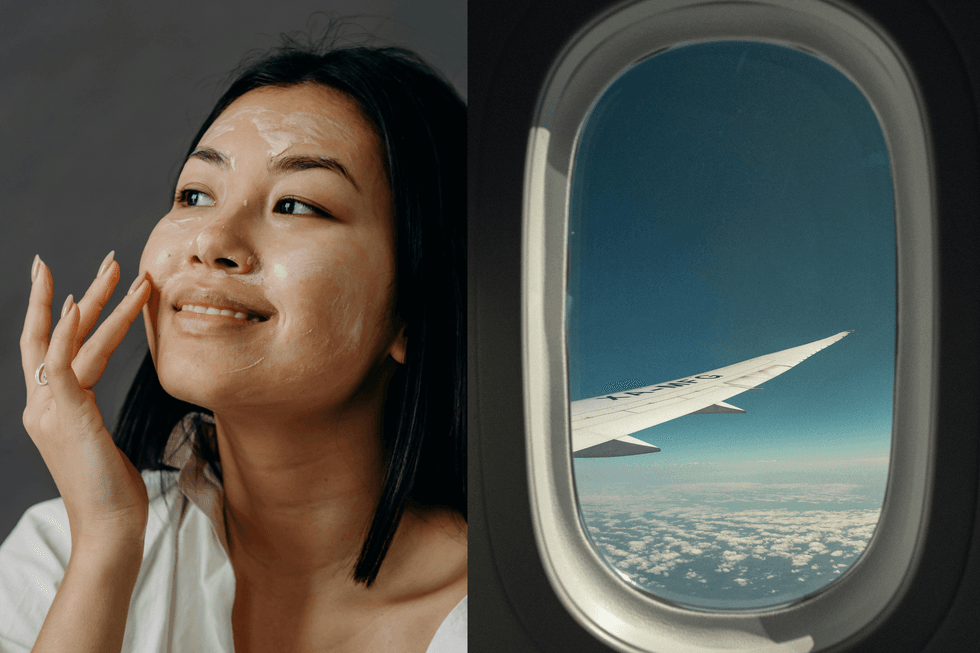
It's bad news if you enjoy staring out the window for the duration of your journey, too, as the window seat has been dubbed the worst spot for your skin.
“Window seats get the harshest UV exposure, even on cloudy days, because you’re thousands of feet closer to the sun and light reflects off the clouds", she admits, branding it a "recipe for dehydration".
It doesn't pay off to be an extra legroom bragger, either.
“The front and back sections of the aircraft also suffer from more dramatic drops in humidity", Danielle adds, shutting down our dreams of an in-flight stretch. "Your skin can lose moisture rapidly, especially if you're already wearing retinol or acids.”
 Pexels
The research suggests that the best place you can sit is either directly above the wings of the plane (which is better for experiencing less turbulence, too), or centre-block seats (B, C, D, E on larger jets), where there's a more stable airflow, fewer temperature swings, and easier movement, giving you better circulation.
What's more, those who chose those very seats reported less tightness and irritation post-flight.
But, we get it. Unless you're planning on wrestling someone out of their seat (which we don't recommend), you're probably not going to get the spot on the plane you want every single time.
So, what can you do instead?
Danielle recommends skipping any drying ingredients 24 hours before your flight - that includes retinols, AHAs, and BHAs, as well as makeup wipes - with a hydrating face mist as a better alternative.
Don't forget to bring a barrier cream to the airport to keep your skin hydrated, and similarly, make sure you're drinking plenty of water before and while on the flight.
Most importantly, don't forget your SPF to target those UV rays seeping into the windows. Your post-vacation complexion will thank you later.
Why not read...
Reale Actives: What to know about Alix Earle's new non-acnegenic skincare line
Dua Lipa just launched a skincare line with Augustinus Bader - and it's surprisingly affordable
Have your say in our news democracy. Click the upvote icon at the top of the page to help raise this article through the indy100 rankings.
Top 100