The Conversation (0)
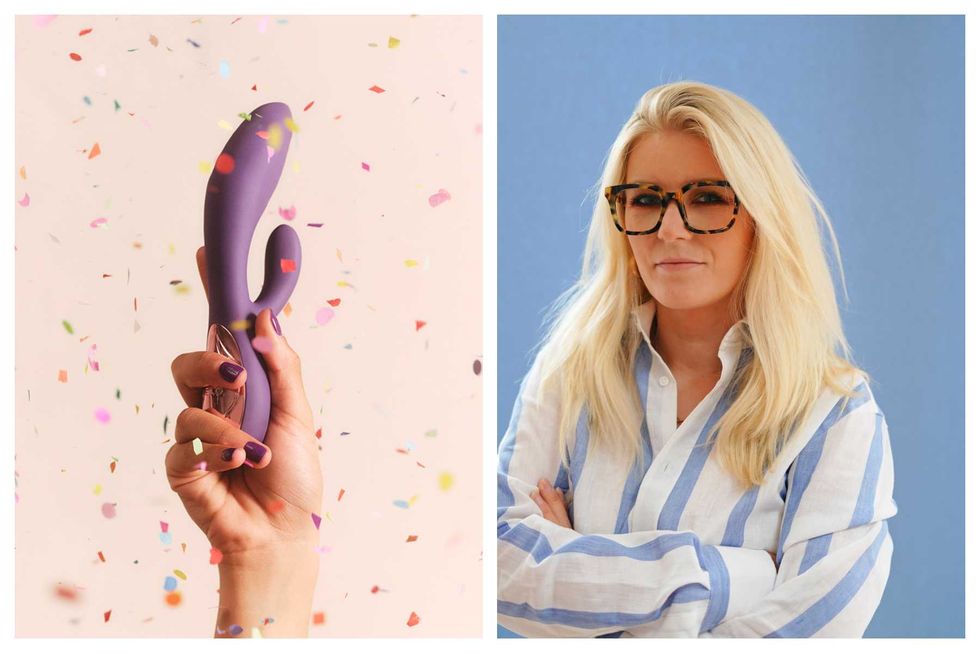
We spoke to Kate Moyle, a Psychosexual Therapist, based in London about “optimising” pleasure and whether it can risk turning sex into another form of pressure for self-improvement.
LELO / Kate Moyle
Young people might be having less sex but it doesn’t necessarily mean they’re thinking about it any less.
From Gen Z entering the so-called “sex recession” to growing concerns about loneliness and dating app fatigue, the way people form relationships and think about intimacy is changing.
indy100 spoke to Kate Moyle, a Psychosexual Therapist based in London, about “optimising” pleasure and the potential risks of turning sex into another form of self-improvement.
Online vs in-real-life dating
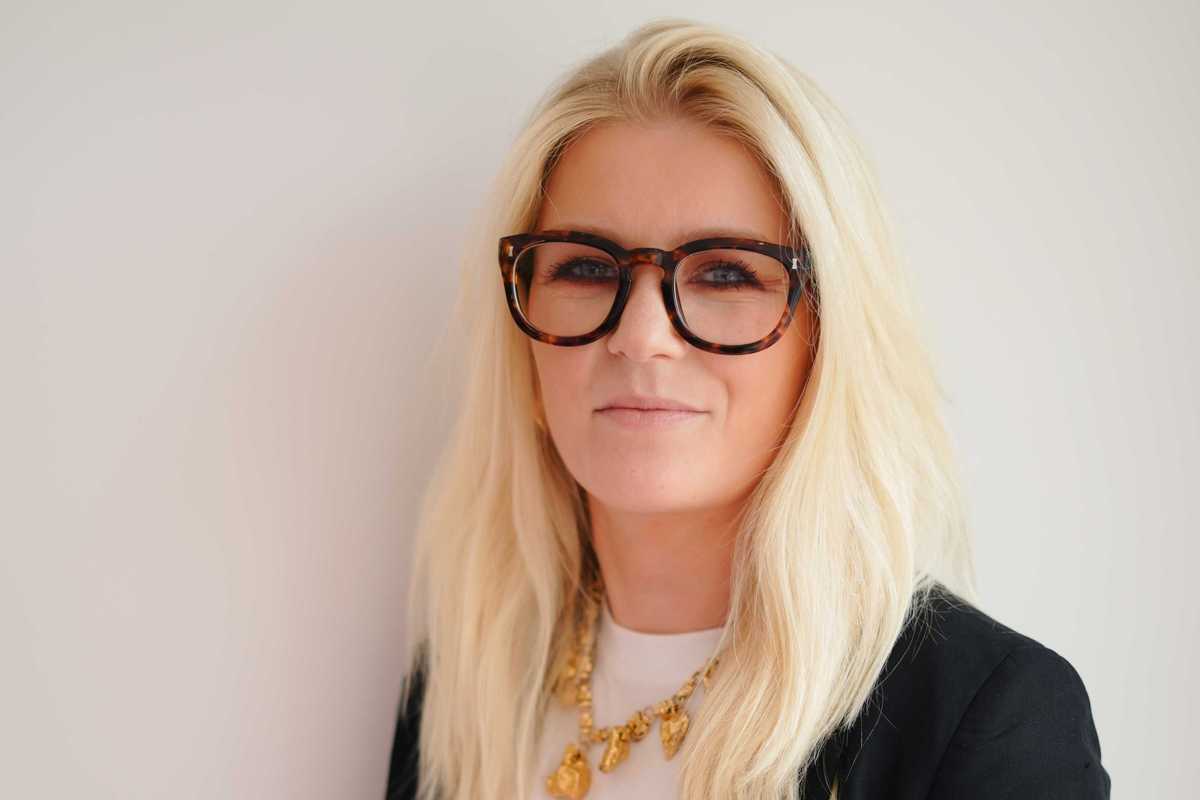 Kate, a Psychosexual Therapist, based in London shares that when trying to “optimise” pleasure it’s not always a good thingKate Moyle
“The landscape of sex and relationships has certainly changed… many social interactions [are] happening online and virtually rather than in person which clearly plays a role in our sex lives”, explains Kate.
But while dating and relationships are increasingly moving online, social platforms are also giving people more space to openly discuss and learn about sex.
Kate says this means, “people are able to be more intentional”, with many feeling they have “more permission" to explore sexual wellness and decide "what they would like it to look like on their own terms”.
However, having more openness, access to information and freedom to talk on topics doesn't necessarily mean everyone is having the same experience when it comes to pleasure.
What’s the Orgasm Gap?
According to a 2018 study by Frederick et al., 65 per cent of heterosexual women reported that they “usually” or “always” experienced orgasm during partnered sex, compared with 95 per cent of heterosexual men.
Whereas among lesbian and bisexual women, the gap was considerably smaller, with 86 percent of lesbian women and 66 per cent of bisexual women reporting that they usually or always experienced orgasms.
Research suggests the orgasm gap is influenced by more than just biology including the way we’re taught to think about sex, gender and pleasure, alongside the long history of female pleasure being overlooked in medicine and psychology.
Now, that changing attitude towards intimacy is being reflected in the language used on social media, too.
Do ‘maxxing’ trends actually work?
From “looksmaxxing” to “moneymaxxing”, the internet has turned maximising different parts of our lives into a trend — and now sex is getting the “climaxxing” treatment too.
But does “maximising” pleasure actually make for better sex?
Kate shares that when trying to “optimise” pleasure, it’s not always a good thing. Ironically, she says at times, “chasing an orgasm becomes a distraction which can interrupt pleasure”.
“Prioritising performance over pleasure creates more focus on the goal of achieving it, rather than enjoying the pleasure that is most likely to get you there.”
While working with the sexual wellness brand LELO, she says “orgasmaxxing” is about rewriting the rules around orgasms and encouraging women to prioritise their individual pleasure, rather than following the one-size-fits-all approach often associated with other “maxxing” trends.
“Orgasmaxxing is about breaking out of the moulds that many may feel have not been working for them previously — with a focus on blending pleasure, maximising sensation and paying attention to what feels good”, she adds.
Making pleasure more personal
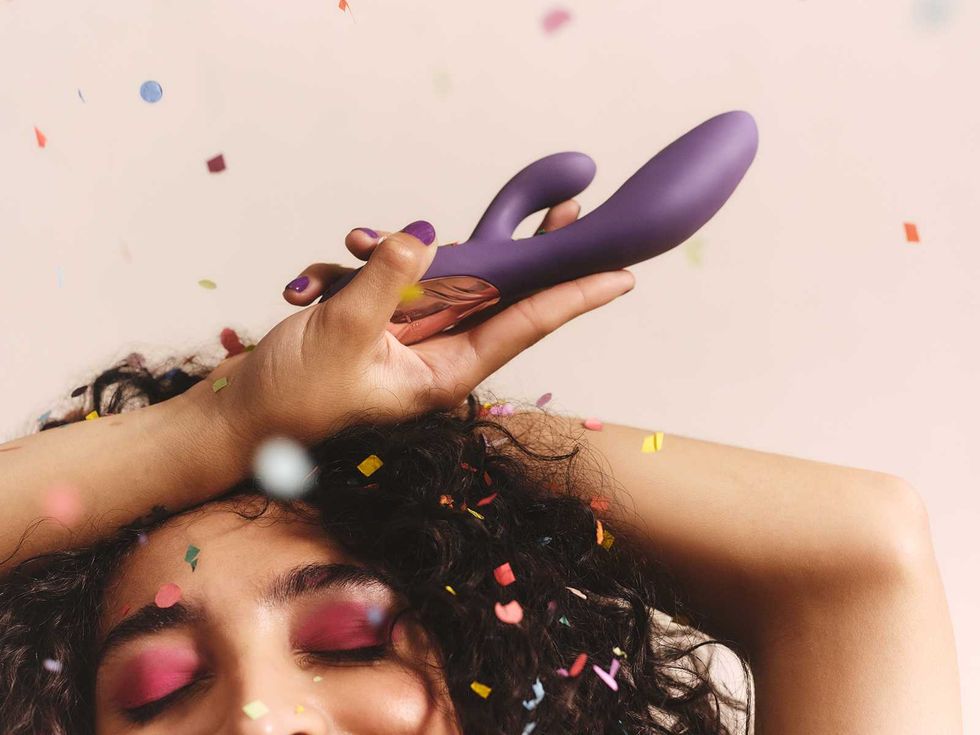 LELO recently launched the INA THRUST, designed to encourage whole-body pleasure, slower stimulation and emotional connectionLELO
A recent Metro report into sex toys explored women’s frustrations with products offering hundreds of different modes. What works for one person’s body won’t necessarily work for another.
As sexual wellness becomes more focused on individual pleasure, that shift is increasingly being reflected in the products coming onto the market.
For those who use sex toys, LELO’s newest INA THRUST product is designed to break away from 'jack-rabbit' styles of stimulation, with a focus on whole-body pleasure, slower stimulation and emotional connection.
But ultimately, Kate says, pleasure comes down to becoming more “familiar and comfortable” with your own body.
Whether that's through solo pleasure or with a partner, she says people should let go of “unhelpful-for-sex self-monitoring” and instead focus on how their body feels, “paying attention to pleasure and sensation”.
So perhaps the real goal isn’t to add any kind of “max” to your sex life, but to feel confident enough to understand what you actually want from it.
The 2018 study surveyed 52,588 US adults about their experiences of orgasm during sexual intimacy in the previous month.
You should also read...
- Gen Z are 'proposing' more than ever before - but not to their romantic partners
- Gen Z women may be living a modern version of The Odyssey's Penelope - here's how
How to join the indy100's free WhatsApp channel
Sign up for our free Indy100 weekly newsletter
Have your say in our news democracy. Click the upvote icon at the top of the page to help raise this article through the indy100 rankings.
Top 100