The Conversation (0)
News
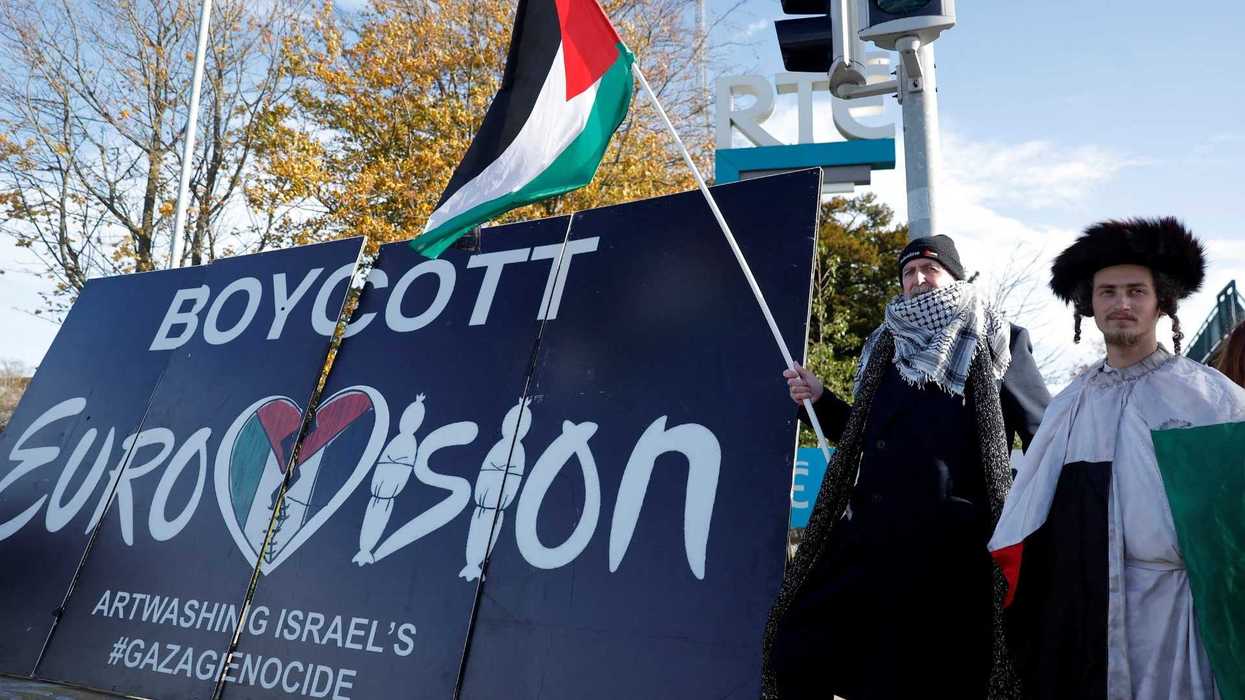
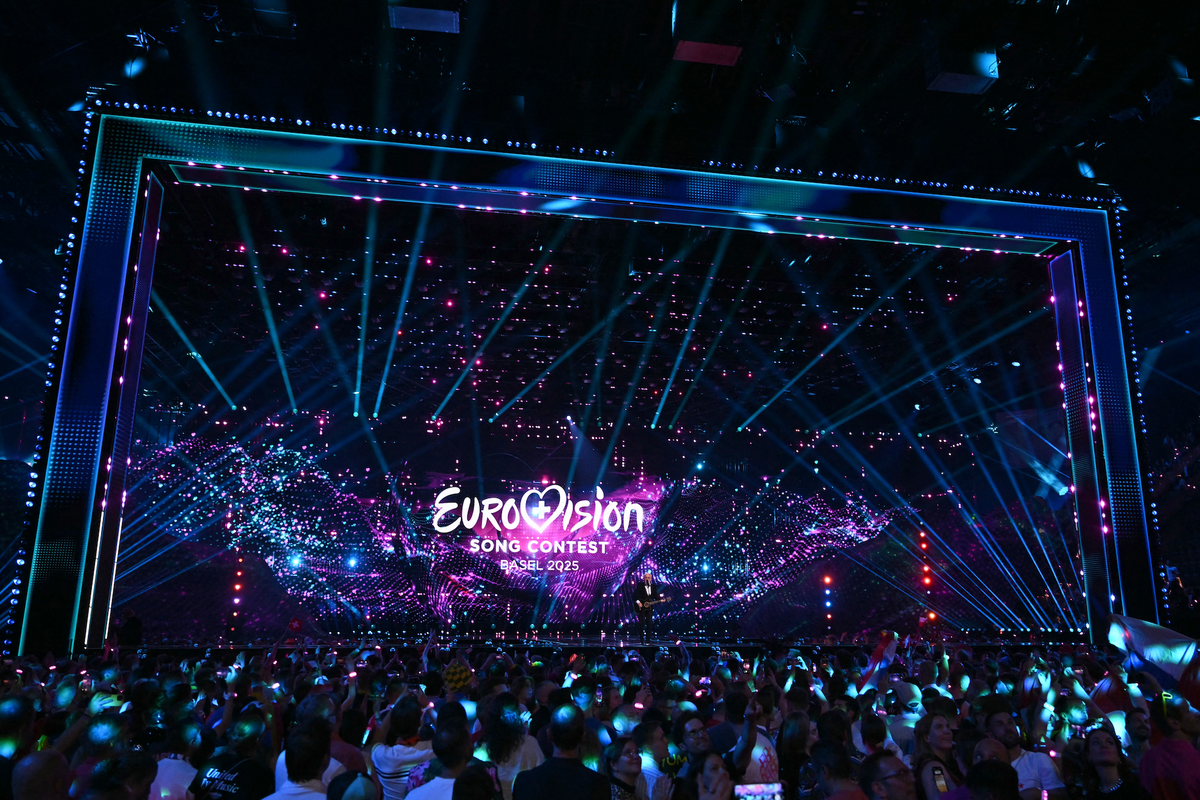
Four countries - Ireland, Spain, Slovenia, and the Netherlands - have pulled out of next year's Eurovision Song Contest after organisers decided to allow Israel to compete.
It marks a significant moment in the competition's 68-year history, with reports describing it as the "most severe" and "most serious" crisis for the musical contest.
Here is what you need to know about the latest Eurovision boycott update:
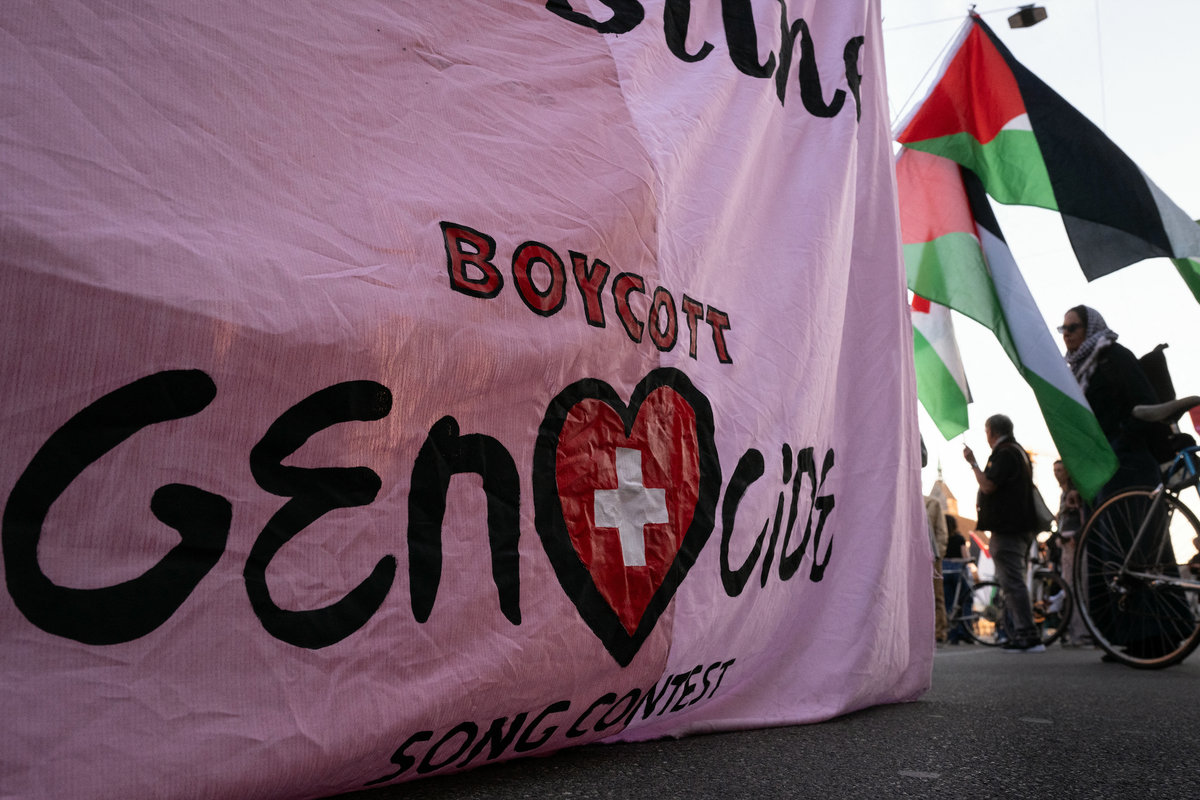 Protesters hold a banner reading "Basel - Unite for Palestine (unseen), boycott genocide" during a silent demonstration in support of the Palestinian people on the day of the commemoration of the "Nakba", the Palestinian people's displacement during the creation of Israel, in BaselSebastian Bozon/AFP via Getty
This news comes after calls from several broadcasters for Israel to be excluded from the singing competition over the war in Gaza, as well as accusations of unfair voting practices.
A secret ballot among European Broadcasting Union (EBU) members to vote on Israel's participation had been suggested by said countries; however, this request was denied.
At a meeting on Thursday, a different vote was held on new safeguards, which a "large majority" agreed to and that next year's contest should "proceed as planned", leading to the four countries to announce they're boycotting the 2026 competition.
 Sebastian Bozon/AFP via Getty Images
In a statement, the EBU said, "A large majority of members agreed that there was no need for a further vote on participation and that the Eurovision song contest 2026 should proceed as planned, with the additional safeguards in place."
The Irish broadcaster RTÉ said it will no longer participate in the 2026 contest nor broadcast the competition, and they said in a statement: "RTÉ feels that Ireland’s participation remains unconscionable given the appalling loss of lives in Gaza and the humanitarian crisis there, which continues to put the lives of so many civilians at risk."
Dutch broadcaster Avrotros put out a similar statement announcing they will no longer take part, “After weighing all perspectives, Avrotros concludes that, under the current circumstances, participation cannot be reconciled with the public values that are fundamental to our organisation.”
"The EBU presidency has denied RTVE’s request for a specific vote on Israel’s participation. This decision increases RTVE’s distrust of the festival’s organisation and confirms the political pressure surrounding it," Spanish RTVE said in response, as they said last September that their country would withdraw from Eurovision if Israel participated.
Meanwhile, Slovenian broadcaster RTVSLO has also said that participating in 2026, “would conflict with its values of peace, equality and respect.”
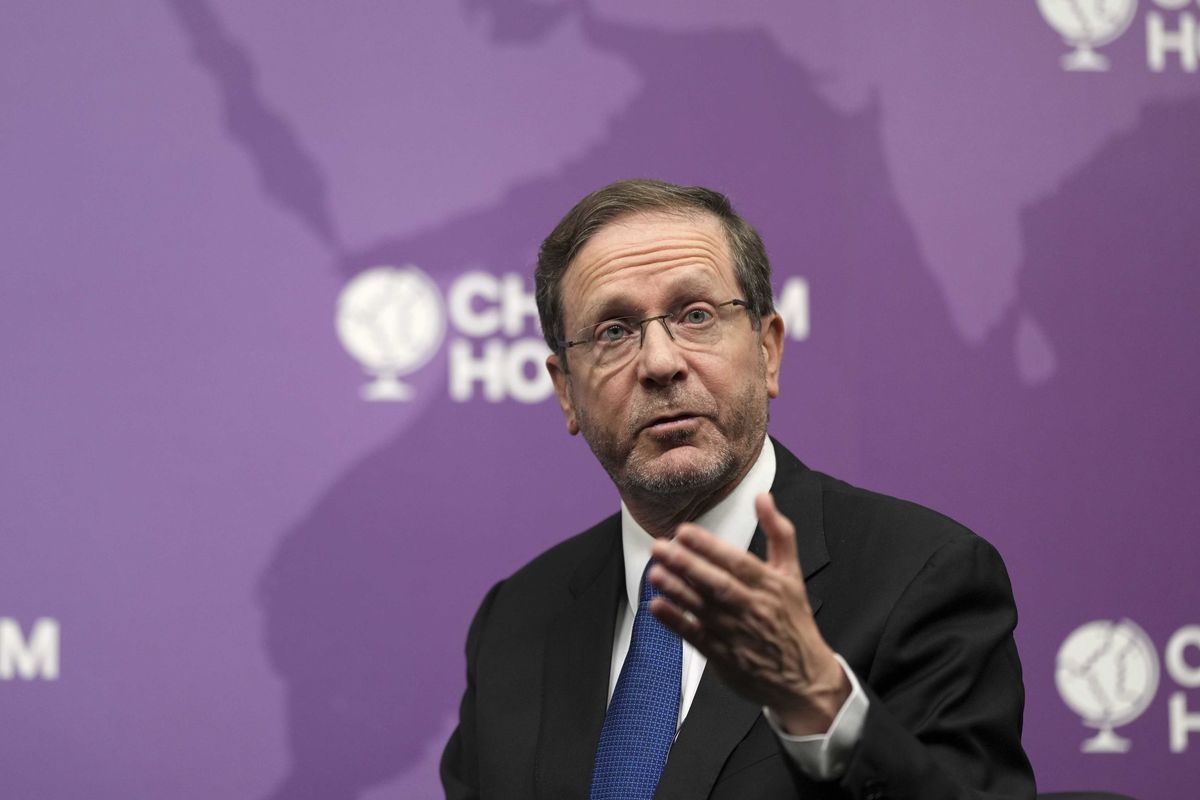 President Isaac Herzog put out a statement following the EBU's decision to let Israel take part in Eurovision next yearPhoto by Alistair Grant - WPA Pool/Getty Images
President Isaac Herzog took to social media to thank those backing Israel to compete at next year's Eurovision.
"I am pleased that Israel will once again participate in the Eurovision Song Contest, and I hope that the competition will remain one that champions culture, music, friendship between nations, and cross-border cultural understanding," he said.
"Thank you to all our friends who stood up for Israel’s right to continue to contribute and compete at Eurovision."
Herzog added the move "demonstrates solidarity, fellowship, and cooperation, and reinforces the spirit of affinity between nations through culture and music."
 Photo by ADRIAN DENNIS/AFP via Getty Images
As for the UK, the BBC is an EBU member as it broadcasts the Eurovision Song Contest, and they also backed the recent decision so it suggests that they will continue broadcasting the contest next year.
"We support the collective decision made by members of the EBU. This is about enforcing the rules of the EBU and being inclusive,” it said.
Elsewhere from Indy100, The 9 weirdest Eurovision Song Contest performances of all time, and Eurovision 2025: 5 of the craziest performances from Sweden to Malta.
How to join the indy100's free WhatsApp channel
Sign up to our free indy100 weekly newsletter
Have your say in our news democracy. Click the upvote icon at the top of the page to help raise this article through the indy100 rankings.