The Conversation (0)
Pexels
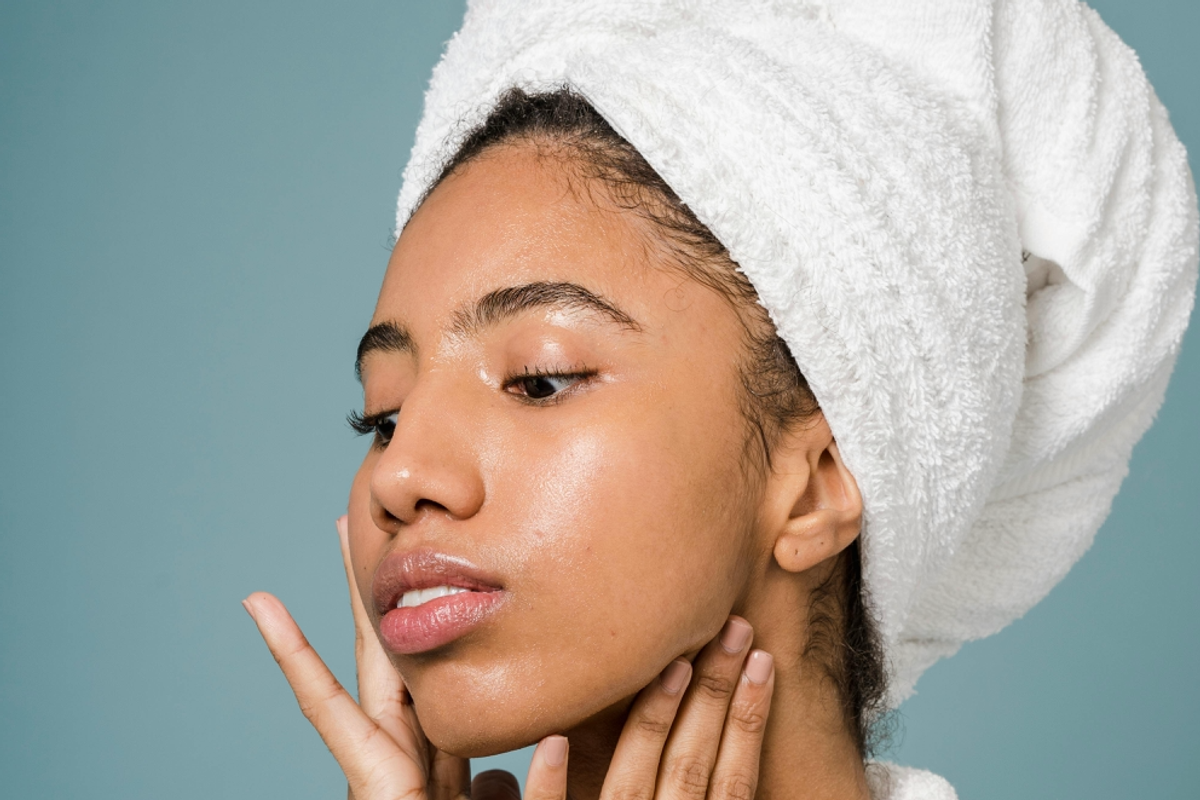
Women have always been at the helm of social media criticism - they're the butt of every joke, their appearances scrutinised, and they're locked into a breeding ground of comparison culture from an early age.
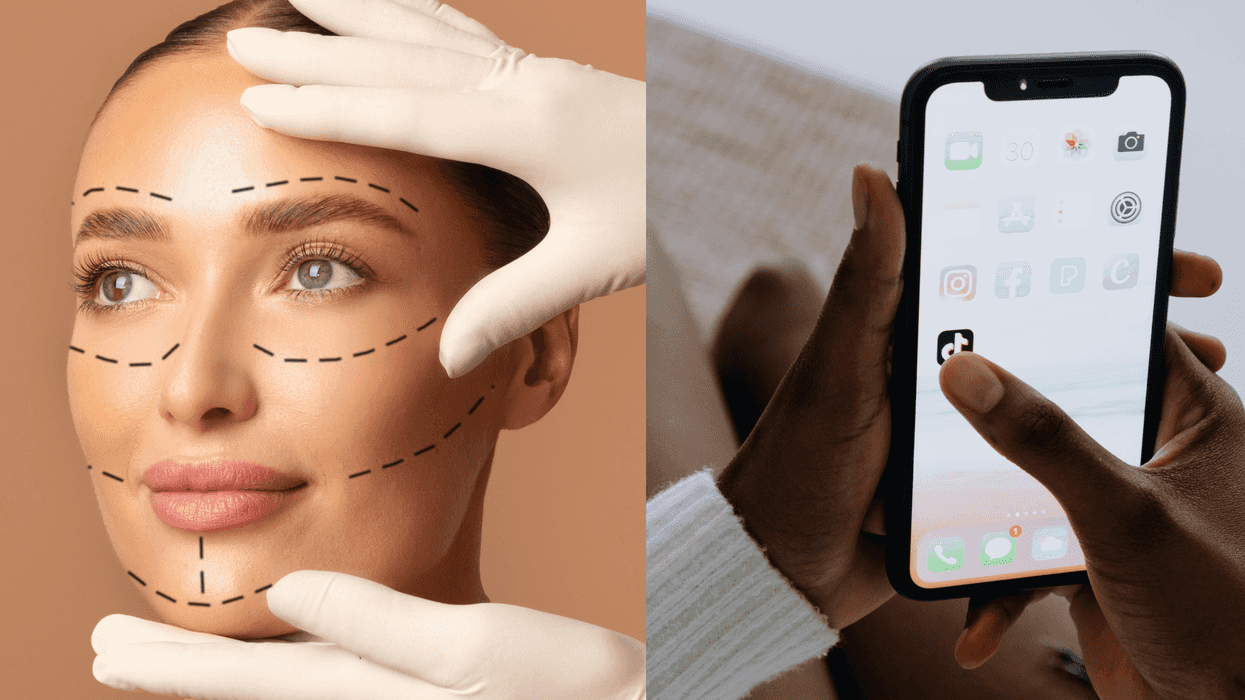
The body positivity movement subsequently shunned the idea that we had to be perfect all of the time, which is what makes it so surprising that we're now in the midst of a cultural shift - with an increasing number of women now asking for their so-called 'flaws' to be unmasked in the name of 'looksmaxxing'.
 Pexels
Looksmaxxing used to be synonymous with incel culture. It was a word used to describe men who were on a quest to ultimate alpha status: a perfectly chiseled jawline, upwardly-tilted 'hunter' eyes, and abs to boot.
But it's not just a quest for perfection; it's a calculated ratio, which, if it gets thrown off by a single milimetre or missing piece, makes the person appear worthless to the rest of the manosphere.
A looksmaxxing forum with over 56,000 members contains a guide to the ideal ratios, which span everything from eye distance, to philtrum and chin measurements for young men who believe that changing their appearance will help them secure female attention.
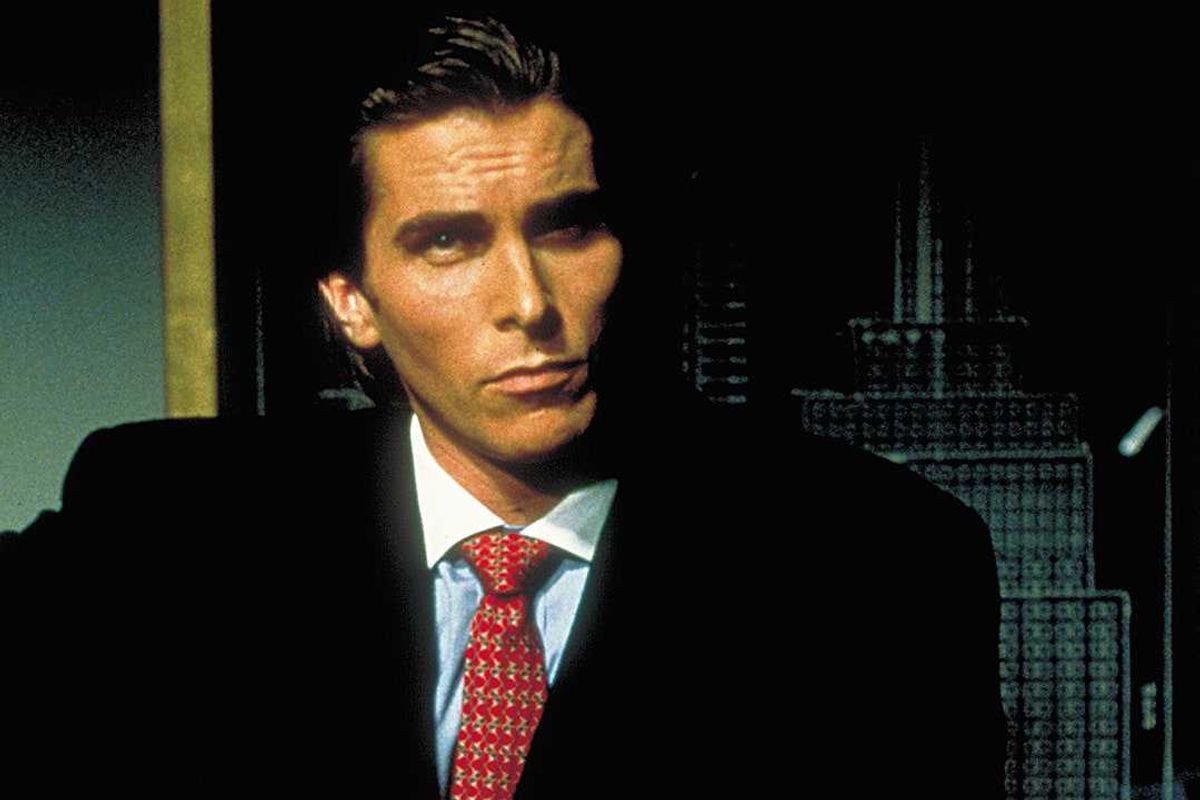
It's often modelled off American Psycho's Patrick Bateman, who on paper, is the ultimate candidate in obsessive self-care.
 American Psycho
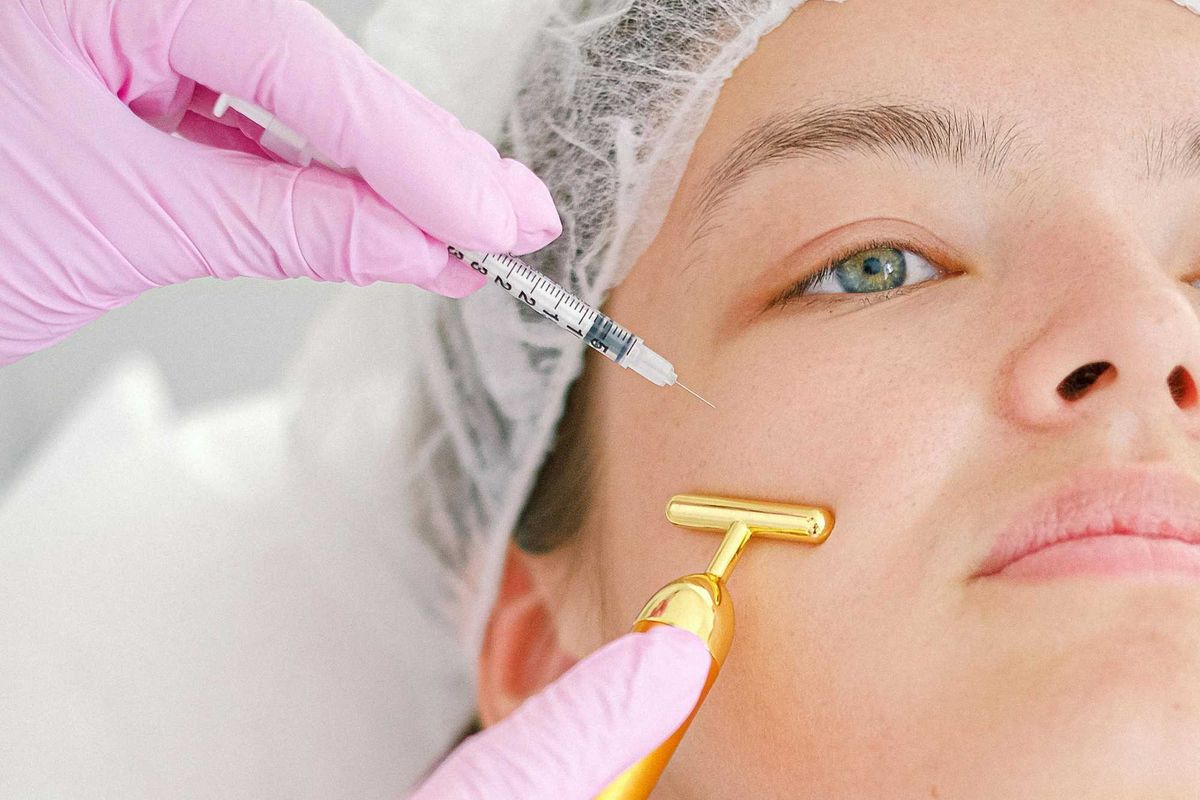
The demands are extreme, and often lead to extreme outcomes, with some looksmaxxers filming themselves using hammers to chisel their faces, or turning to cosmetic enhancements in desperation.
Truthfully, it's the first time we've seen men put under the spotlight in the same way as women when it comes to physical scrutiny - except - it's between no one but themselves.
However, we're now witnessing a concerning role-reversal, which, if it takes off, could prove even more dangerous than the firing line women have been at the centre of since time began.
A quick scroll on social media shows an increasing number of women themselves are dipping their toes into the looksmaxxing space, actively seeking out detailed scrutiny on how to change often genetic features.
The stats don't lie either: Just over one-third of adults said they had ever felt anxious (34 per cent) or depressed (35 per cent) because of their body image.
It's no longer about adjusting your makeup style or changing your clothes, but a full analysis of bone structure that determines your worth. Some might say it's merely a step below eugenics.
"I might regret asking this but can one of those looksmaxxing people tell me what's wrong with my face?", one conventionally attractive woman posted on TikTok.
 Pexels
She received over 4,000 comments, armed with advice.
"Recessed Maxilla, Sphenoid, Mandible, Ramus, Brow ridge too from side profile view", one comment responded.
To you and me, that's a rather complicated way of saying her midface, jaw, and brow ridge are allegedly set 'too far back'.
"Downward growth obtuse gonial angle, recessed maxilla and prominent nasolibial folds", another comment suggested, indicating that he felt her face was too long to be considered idealistic.
Another woman we found dedicated her entire TikTok account to looksmaxxing, with daily videos honing in on 'non-negotiable' daily errands like chewing in a bid to gain jaw structure, waist training, neck curling, and even promoting a 'checklist' of what others could do to follow the same path for perfection.
"In therapy rooms, I hear young girls describe their value in inches, filters, or 'feminine archetypes' they believe they need to embody", notes Chief Clinic Officer at Blume Behavioral Health, Brian Lutz of the emerging trend.
"Algorithmic repetition turns these messages into 'facts' and teens start to internalize beliefs that being acceptable means modifying themselves endlessly."
 Pexels
He adds: "Looksmaxxing can act like a coping mechanism - something to control when life feels uncertain. But when identity becomes dependent on appearance, it leaves young people vulnerable to self-criticism, obsessive routines, or even hopelessness when they don’t 'measure up.'"
Dr Daniel Glazer, clinical psychologist and co-founder of US Therapy rooms echoes similar thoughts about just how extreme this trend could go.
"Of greatest concern is the addictive cycle in which these people find themselves trapped, mirroring that of body modification addiction - where the brief post‑procedure 'high' is rapidly followed by even lower mood states", he tells us.
"The failure of cosmetic clinics to look beyond the surface and consider patients’ mental wellbeing means that too many people are suffering from untreated mental health problems.
"Cognitive behavioral therapy (CBT) breaks that cycle. Participation in support groups, CBT and professional evaluations, where appropriate, can help these individuals achieve and sustain long-term recovery."
If the body-shaming era of social media scared you, this should feel truly terrifying.
Why not read...
Surrogate shares why you shouldn't be angry at celebrities for choosing to have a baby through one
'Mar-a-Lago Face' is a problematic trend - no matter which political party you support
Sign up for our free Indy100 weekly newsletter
Top 100