
The Conversation (0)
Students queue for antibiotics at the University of Kent as two people …
PA
Two people have died and a further 11 are in hospital following an outbreak of Meningitis in Kent, UK - but what is it, and why are so many young people getting it right now?
Well, Meningitis is a medical term for inflammation of the protective layer (membranes) around the brain and spinal cord (meninges) caused by a bacterial infection.
Meningitis isn't a new thing, but this particular strain (Meningitis B or Men B) is rarer, and many of us won't have been vaccinated against it.
But, in rare circumstances such as these, knowledge is power, so here's what to know about Meningitis B and how to protect yourself...
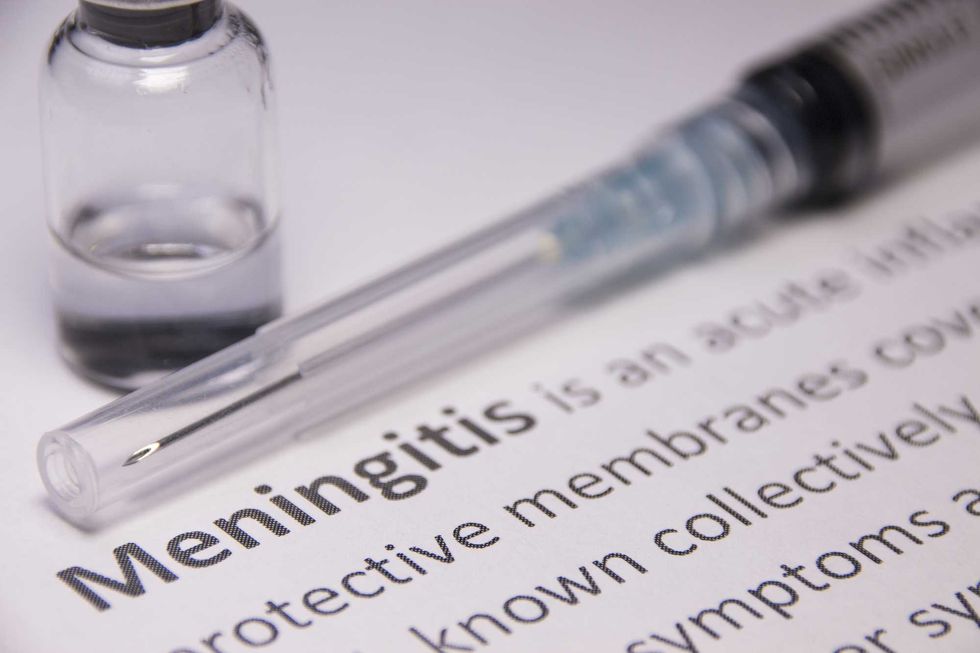 iStock
What are the symptoms of Meningitis B?
According to the NHS, symptoms of Meningitis can include:
- a high temperature (fever)
- being sick
- a headache
- a rash that does not fade when a glass is rolled over it (but a rash will not always develop)
- a stiff neck
- a dislike of bright lights
- drowsiness or unresponsiveness
- seizures (fits)
You may not develop all of these symptoms.
How is Meningitis B spread?
Meningitis is usually caused by a bacterial or viral infection, and coughing, sneezing, and kissing are among some of the most common ways it's spread (per NHS). It's thought that this particular strain is bacterial, which is rarer, and more serious.
Children under five are at highest risk, along with young adults - especially those in communal living settings like university halls. Adults with weakened immune systems or chronic health conditions also face increased risk.
If untreated, it can lead to blood poisoning or sepsis, and can affect the brain.
Is there a Meningitis B vaccine?
There is! However, unless you were born after 2015, you likely won't have had it.
Free antibiotics are being given to people who visited Club Chemistry in Canterbury on March 5, 6 and 7 as a preventative measure, in the meantime.
Should you be worried about Meningitis?
Panicked? No. Cautious? Yes. You're likely to see a lot of headlines in the coming days that might spook you, but it's worth knowing that the bacteria that causes meningococcal disease is often carried harmlessly in the nose and throat, with only around 10 per cent of carriers ever becoming ill.
That being said, if you're in the Kent area, or visited Chemistry night club recently, be sure to take this seriously so you can be treated promptly, should you require it. Most people who develop bacterial meningitis and are treated quickly will make a full recovery.
In a letter to students Kent university said: "Trust your instincts and do not wait for all the symptoms to appear or until a rash develops. Someone with meningitis or sepsis can get a lot worse very quickly."
It advised students to call 999 or visit the closest A&E department if any symptoms are present.
Why not read...
The science behind in-flight bloating, fatigue and brain fog
Sign up to our free indy100 weekly newsletter
Top 100