The Conversation (0)
What are peptides and why have they become popular?
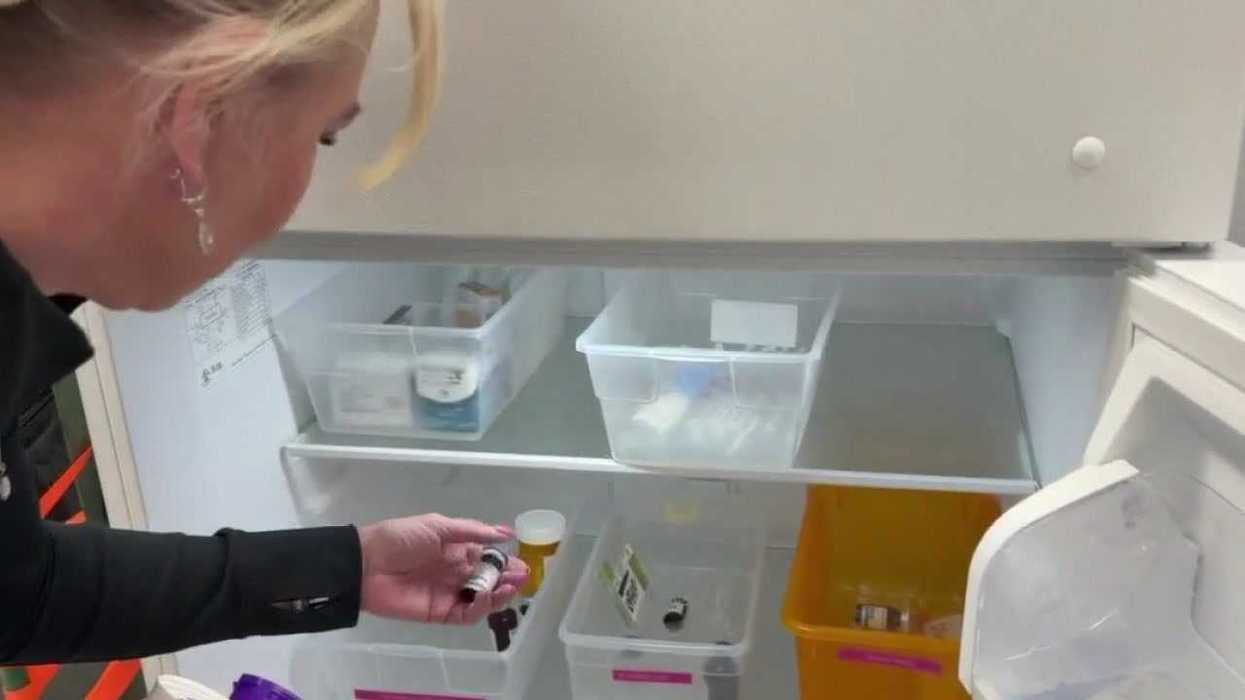
Fox - 26 Houston / VideoElephant
They've become one of the most divisive wellness trends of the year, but now, peptides could be on their way to having restrictions eased by the FDA - or some of them, at least.
They've exploded in popularity in the looksmaxxing and body building communities in particular, with users seeing them as a more 'natural' alternative to modern aesthetic treatments, used for targeted goals such as weight loss, or anti-ageing (including GLP-1 drugs).
“Peptides are chains of amino acids that act to help signal different parts of the body. Think of it as text messages sent to different areas of the body, helping cells to communicate with each other", notes Dr Ahmed El Muntasar, GP and owner of The Aesthetics Doctor.
“They deliver signalling molecules directly into the body to help stimulate certain biological functions. They can help with skin rejuvenation, metabolism, muscle repair, and hormones among many other things.”
 iStock
Put simply, they claim to supercharge functions that are already going on in your body to aid peak performance.
While they've been around for more than a century, it's only recently that people have been using them for aesthetic purposes, and there's growing concern about what people are actually putting in their bodies since they're currently unregulated.
For context, in the UK, they're not licensed for self-injection, and they're also sold as 'research' chemicals - which means they haven't been tested on humans.
That means you could be exposing yourself to risk of allergic reactions, infection, or other unknown long-term effects, nor do you even know what you're purchasing is the real deal.
Their popularity is also outpacing the rate of research, which means even scientists don't yet have all the answers when it comes to their long-term effects and who should be using them.
But, now, a little-known advisory group to the US Food and Drug Administration will be meeting this week to discuss whether restrictions around them should be eased in certain use cases, making them safer, and easier to access.
US Health and Human Services Secretary Robert F. Kennedy Jr. has said he’s “a big fan of peptides” and has used them himself, but has previously faced the blocking of the FDA.
 iStock
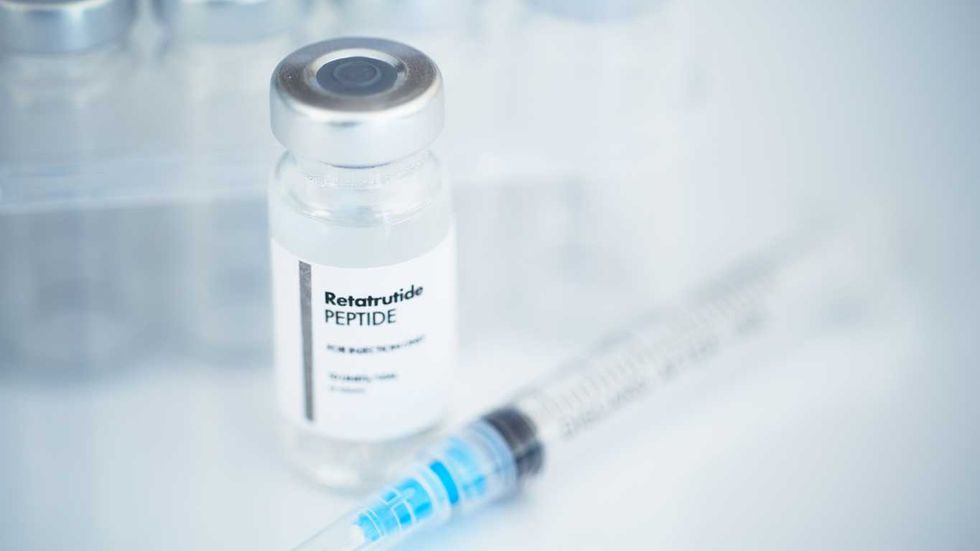
It's most definitely not all peptides (including some of the most popular ones), and lies purely in medicinal benefits.
But, given that current committee is made up mainly of health professionals who prescribe, produce or promote peptides, it may not be long before we see them licensed to pharmacies.
So, which peptides are being reviewed?
- BPC-157, proposed for treating ulcerative colitis
- Emideltide for opioid withdrawal, chronic insomnia and narcolepsy
- KPV for wound healing and inflammatory conditions
- TB-500 for wound healing
- Semax for certain neurological disorders
- MOTs-C for obesity and osteoporosis
- Epitalon for insomnia
The meeting takes place on 23 and 24 July, and we're expecting developments to be announced soon after - watch this space.
Why not read...
What is NAD+? This is why you’ll be seeing the supplement everywhere this year
Sign up to our free indy100 weekly newsletter
Top 100