The Conversation (0)
Science & Tech
Not one but two different species of animal, both thought to be extinct, have been spotted alive in the wild in what has been hailed as an “exceptional discovery”.
In a study, published in Records of the Australian Museum revealed that experts made the discovery of two marsupial species, which both live in the rainforests on the Vogelkop Peninsula in Papuan Indonesia, having previously only been able to identify the species by their fossils.
The two species – the pygmy long-fingered possum (Dactylonax kambuayai) and the ring-tailed glider (Tous ayamaruensis) – were thought to have been extinct for at least 6,000 years. The discovery of the ring-tailed glider has also resulted in the proposition of a new genus of gliding marsupial for those who were known previously only via fossils.
More often than not, a species of animal is known about before it goes extinct. However, when this occurs the other way around, and animals are known from their fossilised form before coming “back to life” again, the term is known as “Lazarus taxa”.
The two rediscovered species of marsupials were previously only known about due to Pleistocene fossils found in Australia and Pleistocene/early-Holocene fossils found on the island of New Guinea – and it is the latter on which they are both alive and well.
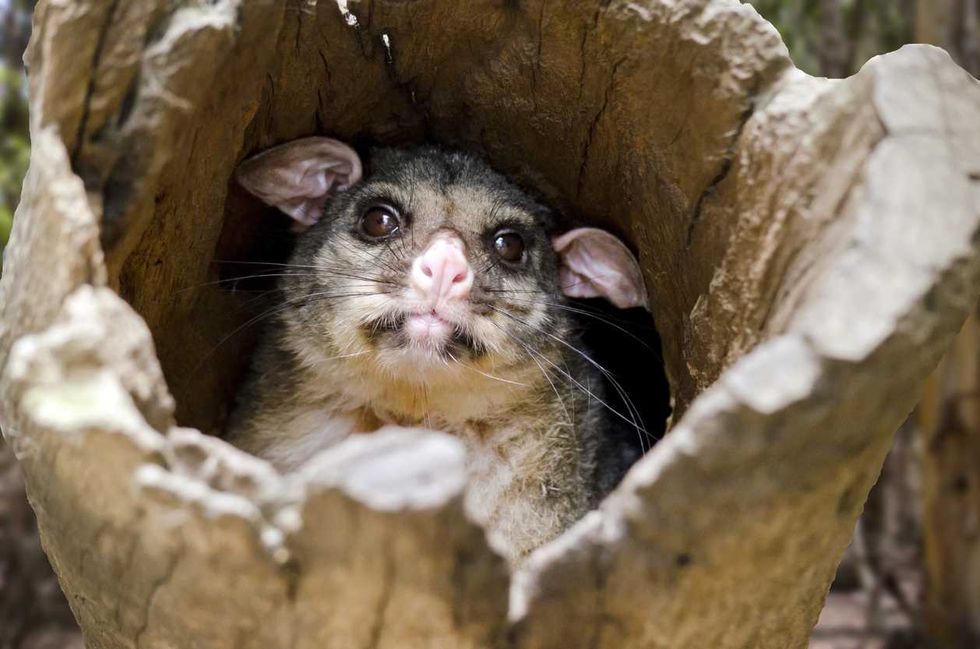 Ringtail possumiStock
Tim Flannery, a Distinguished Visiting Fellow at the Australian Museum and authour of the study, said: “The discovery of one Lazarus taxon, even if thought to have become extinct recently, is an exceptional discovery. But the discovery of two species, thought to have been extinct for thousands of years, is remarkable.”
Notably, the pygmy long-fingered possum is named so because it has one digit on its hand that is twice as long as its next longest finger.
Meanwhile, experts were initially flummoxed by the ring-tailed glider, found in 2015 by a plantation worker who took images of it and sent it to researchers. They noted it showed shared some similarities with two existing species, but in an odd combination of traits.
When it didn’t match any existing species living in New Guinea, it was then they began to suspect that they had seen the species before in fossil form. Once the images were compared with fossils and experts consulted locals, it was confirmed that the ring-tailed glider was the same one.
Why not read…
Sign up to our free indy100 weekly newsletter
Have your say in our news democracy. Click the upvote icon at the top of the page to help raise this article through the indy100 rankings.