The Conversation (0)
Why Do People In Blue Zones Live Longer?
unbranded - Lifestyle / VideoElephant
We're in the midst of a monumental wellness shift.
Where health was once almost exclusively related to body image, we're now looking beyond the here and now at how our bodies will function in the latter parts of our lives and beyond.
While the term 'longevity' takes on so many meanings, ultimately it's about how we can live better for longer. To some, that means being 80 years old and still able to pick up their grandchildren with ease, while for others, it means hitting that centenarian milestone.
In a bid to hit both of those goals, studies have expanded in recent years into Blue Zones - also known as the five areas of the world where people are frequently averaging longer life spans.
In fact, they're reaching age 100 at 10 times greater rates than in the United States.
Named as Okinawa (Japan), Sardinia (Italy), Ikaria (Greece), Nicoya (Costa Rica), and Loma Linda (California), there are a few core principles that are consistent across them all, whether that's a sense of community, movement and time spent outdoors, or a diet free from ultra-processed foods.
 Pexels
But among them, each Blue Zone has its own unique identity.
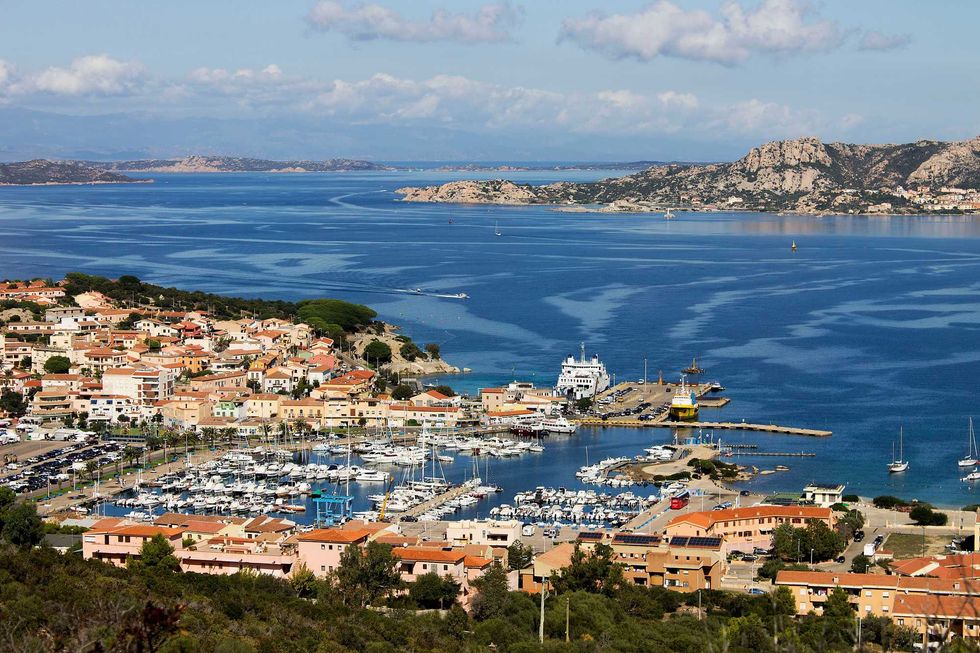
Sardinia is a large, mountainous Italian island in the Mediterranean Sea situated between Italy's mainland and Corsica, and boasts some of the most Maldives-adjacent views that Europe has to offer.
It's also a place which boasts 22 to 30 centenarians per 100,000 residents.
Centenarians are most prominent in a small cluster of isolated, mountainous villages, which include Seulo, Perdasdefogu, and Baunei, thanks to a combination of incline walking (due to the terrain of where they live), strong community bonds, and plant-rich diets.
While we can't all consider relocating to a little-discovered settlement away from the modern world, there's certainly some inspiration we can draw from them.
Here are 5 longevity diet staples loved by Sardinians to consider in your day-to-day...
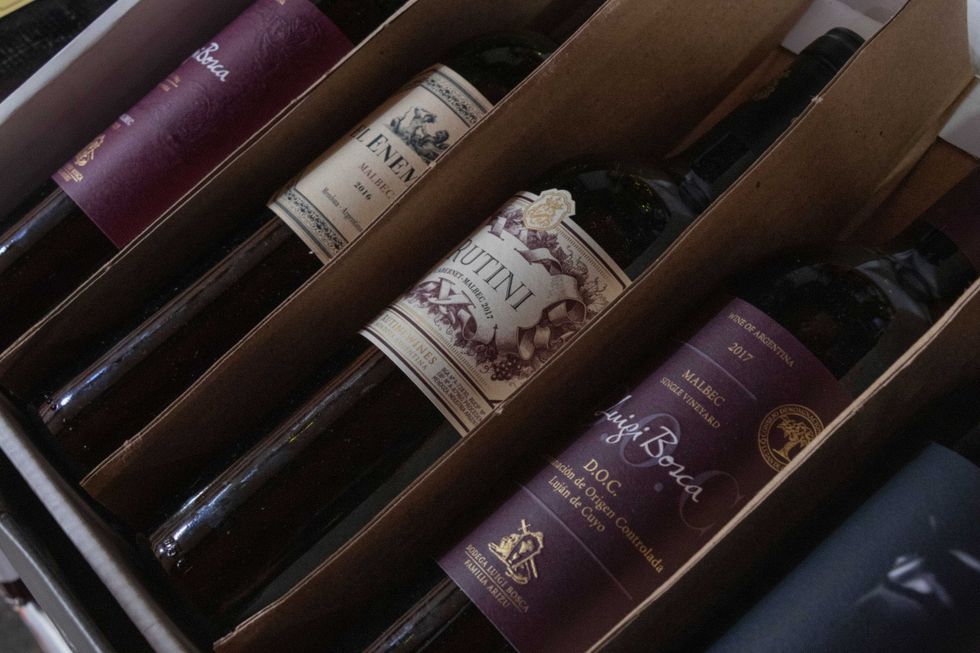
Cannonau Wine
When you think of health-boosting properties, your mind doesn't immediately go to alcohol - but this particular antioxidant-boosting red wine is a firm favourite among Sardinians.
Grown on Sardinia itself, it's genetically identical to Grenache, it yields a full-bodied, warm wine with generous red-fruit flavours, low acidity, and soft tannins.
What's more, those antioxidants (which are higher than any other variety of wine), can help contribute to lower stress levels and protect the body from harmful free radicals.
It's thought that Sardinians drink three to four small (3-ounce) glasses of wine a day on average.
Goat's Milk
The world is moving quickly when it comes to cow's milk alternatives, but if it's longevity you're looking for, the answer may just lie with goats.
Goat’s milk is rich in zinc and selenium which means it's great for immune function supercharging.
Not only is it easier to digest and has less lactose, but emerging research suggests that it could even protect against age-related cognitive decline as well as conditions such as Alzheimer's disease.
Pulses
 Pexels
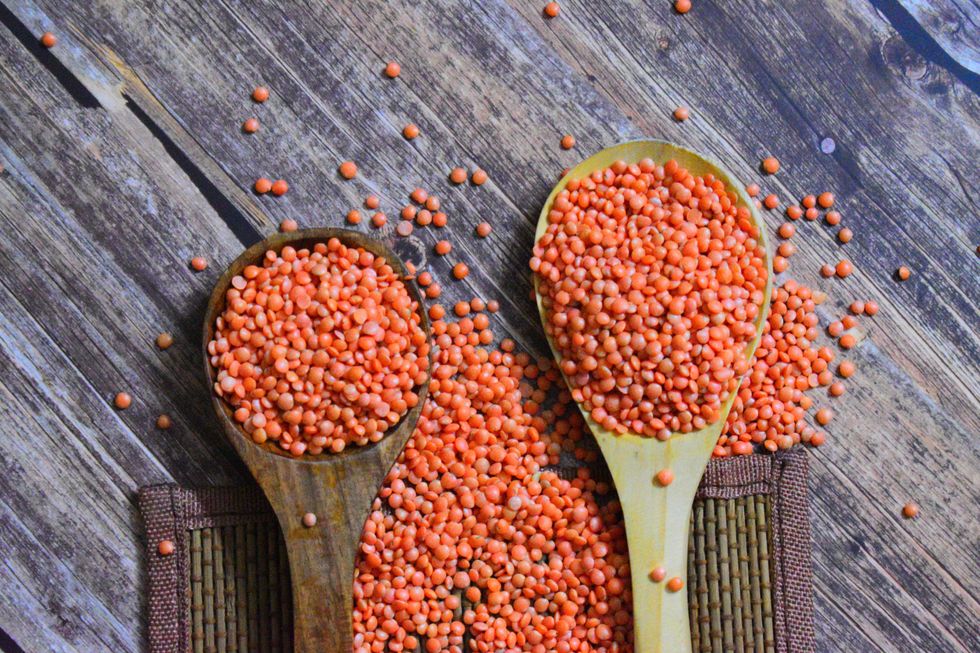
It's no secret that pulses including lentils, chickpeas, beans, and peas are protein powerhouses and help to support heart health, and steady blood sugar thanks to their low glycemic index - but they could hold far more weight than we give them credit for.
The Medis Family from Perdasdefogu, who in 2012 set a record for the highest combined age for nine living siblings (818 years, if you were wondering), previously credited a lunch of three-bean minestrone soup served with sourdough bread and a small glass of red wine as their secret.
What's more, they're incredibly budget friendly and are packed with iron, potassium, zinc, and folate to help support overall health.
Carasau Bread
If you've been to Sardinia, you've likely seen this crunchy, wafer-thin flatbread served table side in most restaurants.
Despite having a rich history on the island and being delicious, it's also worth knowing that it's actually made from durum wheat, supporting stable blood sugar, sustained energy, and fits into heart-healthy traditional diets as it's free from preservatives.
Its complex carbohydrates will also keep you feeling satiated for longer, while its low gluten content makes it more digestible than other types of bread.
 Pexels
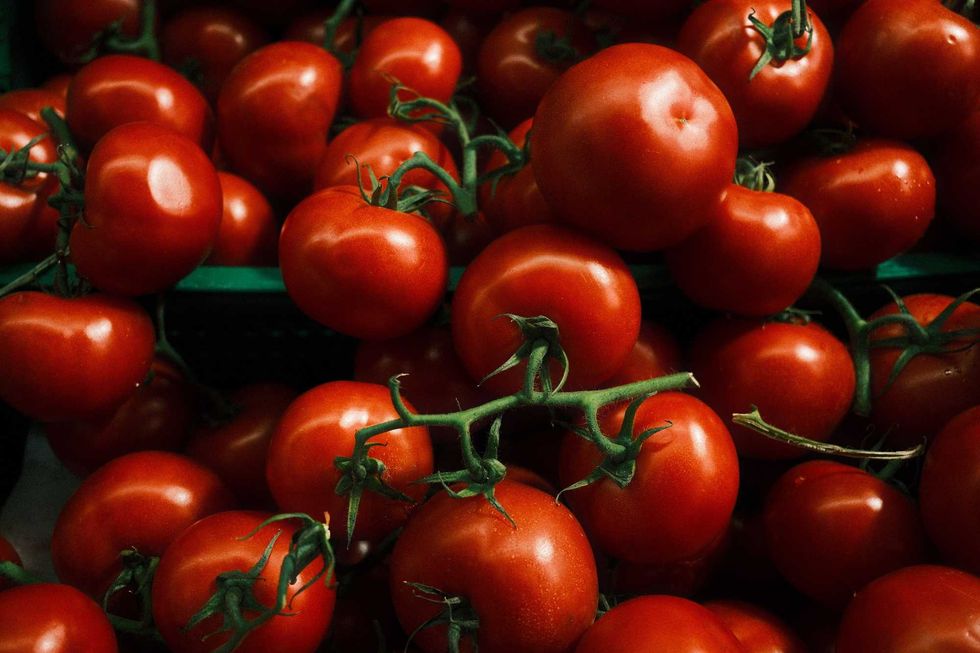
Good Quality Tomatoes
Sometimes the simplest of ingredients are the ones that pack a punch, and it's no secret that tomatoes are a staple in any Italian diet.
While fruit and vegetables only make up 13 per cent of any Sardinian diet (whole grains top the list at 47 per cent), it's the quality of those ingredients that really matters.
Italy has nutrient-rich volcanic soil, meaning they're able to produce some of the world's best tomatoes, which are high in antioxidants, especially lycopene, which supports heart health and may reduces chronic disease risk.
They're also packed with vitamins A, C, and K, supporting good vision, strong immunity, healthy skin, proper blood clotting, and strong bones.
Plus, it's so easy to incorporate them into any delicious dish of your choosing.
Why not read...
Blue Zones: 5 key foods eaten by Okinawans for longevity to add to your diet
I spent a week at the world’s most exclusive longevity retreat loved by A-listers
Blue Zones: 5 key foods eaten by Ikarians for longevity to add to your diet
Sign up for our free Indy100 weekly newsletter
Top 100