
The Conversation (0)
Biohacker Bryan Johnson Opens Up About Living With an Incurable Autoimmune Disease
TMZ / VideoElephant
We’ve always been told “it’s nice to be nice” - but could ditching negative energy actually hold the key to longevity?
It’s a thought-starter prompted by biohacker, Bryan Johnson, who recently broke down the real impact of a single hostile interaction on our health.
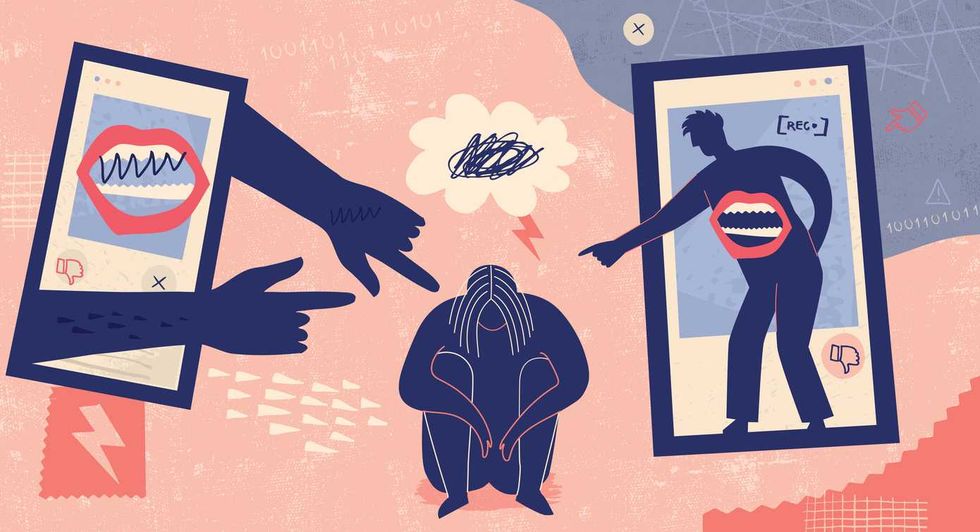
“Being mean is bad for your health”, he boldly claimed in a post on X, noting that one not-so-great chat can raise your cortisol for up to 90 minutes, suppress your recovery capacity, and elevate your heart rate.
It’s an interesting proposition when we know that elevated cortisol keeps your body in a constant “fight or flight” state, which can lead to high blood pressure, metabolic issues, and even impair cognitive function.
What’s more, over time, this increased inflammation in our bodies can be the trigger for chronic health conditions.
Johnson, who’s regularly the subject of controversy online, went on to pit his stats against the current hostile social media landscape.
“Doing some back of the envelope math, daily hostility on X is equal to:
+ same cardiovascular burden as lighting up 75 million cigarettes with all of us in the room
+ cancels recovery yield of 75 million hrs of deep restorative sleep
+ $7.5 billion in lost allostatic recovery”, he continued.
It’s an idea that’s been backed in research studies too.
In one 2022 study, researchers found that frequent episodes of strong anger were associated with an increased risk of heart failure, atrial fibrilitation, and CVD mortality - particularly in men.
Meanwhile, Harvard T.H. Chan School of Public Health found that regularly volunteering and engaging in other acts of kindness can boost not just mental health but also physical health and longevity.
It's a pattern repeated in Blue Zone communities, where social ties are strong, and citizens end up living to be over 100 years old at a higher-than-average rate. And how do you create strong social bonds? Well, being nice definitely helps.
Now this is a wellness trend we can get behind.
Why not read...
Which peptides could be about to become FDA-recommended?
What is a 'Dopamine Detox?' Every habit quietly draining your focus, according to a psychologist
Sign up for our free Indy100 weekly newsletter
Top 100